How to choose jump starter: Easy guide
A dead battery never gives you a warning, and that's exactly the problem. Most people don't think about a jump starter until they're stuck in a parking lot at 11 p.m. with a click and no crank. Knowing how to choose jump starter gear ahead of time turns that moment from a crisis into a five-minute fix.
The good news: modern lithium-ion and LiFePO4 packs are small enough to fit in a glove box, and as of 2026, the best units weigh under three pounds yet still deliver 1,000 to 3,000 peak amps. The trick is matching the unit's specs to your engine, your climate, and how you actually drive. We'll walk through that decision logic below.
Quick Answer
To choose a jump starter, match peak amp output to your engine size. Pick 400 to 600 peak amps for 4-cylinder engines, 800 to 1,500 for V6 and V8, and 2,000+ for diesel or 24V systems. Choose lithium or LiFePO4 chemistry for portability.
Lithium-ion works in moderate climates. LiFePO4 handles cold weather better and lasts longer. Confirm the unit has reverse-polarity and spark-proof protection.
Make sure it can sit in your vehicle for months and still hold a charge.
What You're Actually Trying to Solve
Buying a jump starter isn't really about the device. It's about buying peace of mind for a specific moment: your engine won't turn over, no one else is around to help, and you need to get moving. The "best" unit depends entirely on what vehicle you drive, where you live, and how often you'll check the gear.
If you drive a compact sedan in a mild climate and just want a backup plan, your needs are simple. If you run a 6.7L Power Stroke in Alberta, or you're three hours from the nearest town, the math changes fast. This article breaks the decision into the conditions that actually matter, then walks you through matching a unit to each one.
How a Jump Starter Works (In Plain English)
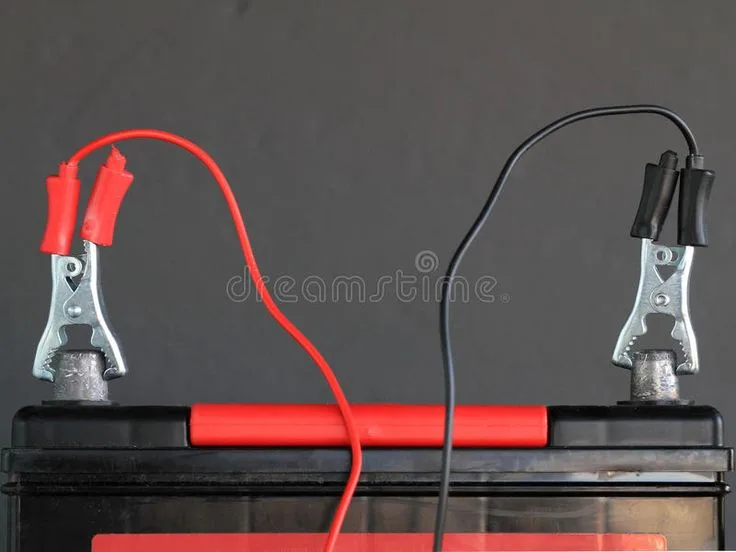
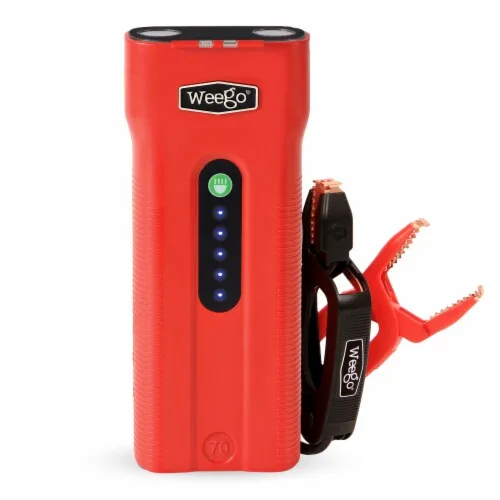
A portable jump starter is a self-contained battery pack with two smart clamps. Inside sits a lithium or LiFePO4 battery cell bank, a control board that regulates output, and a set of safety circuits. When you connect the clamps to your vehicle's battery, the pack delivers a short, controlled burst of high current to spin the starter motor.
That's it. It's not "charging" your battery in the traditional sense. It's giving the starter motor enough amperage to crank the engine for a few seconds.
Once the engine runs, your vehicle's alternator takes over and recharges the car's battery on its own.
The whole job lasts about 5 to 10 seconds. What separates a good unit from a bad one is whether it can deliver that burst reliably, even after six months sitting in a hot trunk, and whether the safety circuits keep you from frying your car's ECU if you mix up the clamps.
The Core Specs That Matter: Peak Amps, Cranking Amps, and Battery Capacity
Three numbers show up on every box, and they confuse almost everyone. Here's what they actually mean.
| Spec | What it measures | Why it matters |
|---|---|---|
| Peak amps | The maximum burst the unit can deliver for 1 to 2 seconds | The headline marketing number. Useful for size matching, but inflated across the industry |
| Cranking amps (CA) | Sustained current over 30 seconds at 32°F (0°C) | Closer to real-world starting. The number to trust |
| Battery capacity (mAh / Wh) | Total energy stored, like a fuel tank | Determines how many jump attempts you get per charge, plus runtime for USB and lights |
Peak amps is the spec most brands lead with, and it's also the most exaggerated. Per SAE International's battery testing standards, real cranking performance under load tells you far more than a marketing peak number. A 2,000-amp peak unit with a weak control board can underperform a 1,000-amp unit from a reputable manufacturer.
Battery capacity, measured in milliamp-hours (mAh) or watt-hours (Wh), matters for the extras. A 20,000 mAh pack will jump a car and still have juice to charge a phone. A 10,000 mAh pack will do the jump and not much else.
For the jump itself, capacity is secondary to cranking output. For everything else, it's the headline number.
Lithium-Ion vs. LiFePO4 vs. Lead-Acid: Which Chemistry Fits You
The chemistry inside the unit changes everything about weight, lifespan, cold performance, and price.
Lithium-ion (Li-ion)
This is the standard in most consumer units. It hits a sweet spot of weight (1 to 4 pounds), cost, and capacity. It works fine in moderate climates and stores well in a trunk.
The trade-off: capacity drops noticeably below 14°F (-10°C), and cycle life is shorter (200 to 500 full cycles).
Lithium iron phosphate (LiFePO4)
Newer to the consumer market, and the chemistry pros lean toward. It's heavier per watt-hour than Li-ion, but it holds voltage better in cold weather, lasts 1,000+ cycles, and is far less prone to thermal runaway. If you live anywhere with real winters, this is the move.
As of 2026, LiFePO4 jump starters are still 20% to 40% pricier than Li-ion, but the gap is closing.
Sealed lead-acid (SLA)
The old-school jump box. Cheap, reliable in heat, and a real workhorse. The downside: it weighs 10 to 25 pounds, loses 5% to 15% charge per month sitting idle, and can sulfate if stored discharged.
Mostly phased out for consumer use, but still common in shop and fleet settings.
If you're choosing today, the short version is: LiFePO4 if you can afford it and live where it gets cold, Li-ion for everyone else.
Match the Jump Starter to Your Engine Size
Engine displacement is the single biggest factor in choosing a unit. A 1.5-liter four-banger and a 6.7-liter diesel ask for very different things from a battery pack.
| Engine type | Displacement range | Recommended peak amps | Notes |
|---|---|---|---|
| 4-cylinder gas | 1.5 to 2.5L | 400 to 800 | Most compact jump starters handle this easily |
| V6 gas | 3.0 to 4.0L | 800 to 1,500 | Mid-size units, LiFePO4 preferred for reliability |
| V8 gas | 4.5 to 6.2L | 1,200 to 2,000 | Heavy-duty consumer or prosumer tier |
| Small diesel | 2.0 to 3.0L | 1,500 to 2,500 | Diesels need higher cranking amps, especially cold |
| Heavy diesel / 24V | 5.0L+ | 3,000+ peak amps, 24V output | Commercial-grade unit required, often a separate category |

One nuance that gets lost in marketing: diesels need both higher cranking amps and longer crank duration. A gas engine might start in one 3-second burst. A cold diesel often needs 5 to 10 seconds of sustained cranking with glow-plug cycles beforehand.
That puts real stress on the unit's control board and thermal management.
If you're at the edge of a unit's rating, go one tier up rather than down. A unit that's "just enough" today will be marginal in three years as its internal battery ages.
How Cold Weather Changes What You Need
Cold kills batteries in two ways, and most buyers only know about one.
First, your car battery's available cranking amps drop by about 35% at 0°F (-18°C) compared to 80°F (27°C). That's why a battery that "works fine in summer" dies in February. Second, the jump starter's own internal battery loses usable capacity in the cold, sometimes 20% to 30% below freezing.
This is where LiFePO4 earns its premium. It holds usable voltage down to about -4°F (-20°C) and recovers fully once warmed. Standard Li-ion starts struggling around 14°F (-10°C) and may refuse to deliver full cranking amps below that.
Practical tips for cold climates:
- Store the unit indoors overnight if possible (bring it inside the house, not the garage).
- Warm it up in your hands for 30 seconds before cranking if it's been below freezing.
- Don't expect a stored-cold unit to deliver full rated amps on the first try.
- Choose a unit with an operating temperature spec that covers your region's worst day, not the average.
If you regularly drive in conditions below 0°F (-18°C), also consider a unit with low-temperature cutoffs and pre-heat functions. Some 2026 models include self-warming circuits that warm the battery cells before allowing a jump, a feature that was rare three years ago.
Safety Features You Should Never Skip
A jump starter is high-current electronics attached directly to a car battery. If something goes wrong, you can fry a $2,000 ECU in your vehicle or worse, get a face full of sparks. Every modern unit should have these protections, and you should verify them on the spec sheet, not just the box.
- Reverse polarity protection: the unit refuses to deliver current if clamps are on the wrong terminals
- Spark-proof clamps: no spark when you touch the terminals, even briefly
- Short-circuit protection: cuts output if positive and negative clamps touch each other
- Over-current protection: shuts down if the load exceeds the unit's safe limit
- Over-charge and over-discharge protection: prevents damage to the internal battery
- Thermal cutoff: stops output if the unit overheats
Per UL's product safety certification standards, any jump starter sold in the US should carry UL, FCC, or equivalent marks. If a unit lacks these certifications, that's a red flag. Cheap no-name units on third-party marketplaces frequently skip them.
One more thing: never jump-start a visibly damaged, leaking, or frozen battery. A frozen lead-acid battery can crack and spray sulfuric acid. If the battery case is swollen, frozen solid, or smells like rotten eggs, the problem isn't a quick jump, it's a tow to a shop.
Must-Have Functions vs. Nice-to-Have Extras
Once you've sorted the core specs, you hit the feature list. Some are genuinely useful. Some are filler.
Worth paying for
- A real LED flashlight with strobe and SOS modes (you'll use it more than you think)
- USB-C Power Delivery output (charges a modern laptop or phone fast)
- A clear battery-status display, not just three blinking LEDs
- Smart clamps with built-in control board, not dumb copper cables
Nice but optional
- Built-in air compressor (handy, but adds bulk and another thing to fail)
- Wireless Qi charging pad (convenient, slow, and rarely used in emergencies)
- 12V cigarette-lighter output (useful for tire inflators and small accessories)
Skip if budget is tight
- App connectivity and Bluetooth (battery pack doesn't need firmware updates)
- Multiple USB-A ports (one USB-C PD covers most use cases)
- Carrying case (a ziplock bag works fine)
The combo units with air compressors deserve a separate look. A 150-PSI compressor is genuinely useful if you also have off-road tires, an RV, or a fleet of vehicles. For a daily driver, the extra weight and complexity usually isn't worth it.
Portability and Form Factor: Where You'll Actually Store It
The best jump starter is the one that's in the car when you need it. That sounds obvious, but a 22-pound lead-acid brick that lives in your garage "in case of emergency" is useless in a parking garage downtown.
- Glove box or center console: Units under 2 pounds and roughly the size of a paperback book. Capacity tops out around 15,000 mAh, enough for most 4-cylinders and small V6s.
- Trunk organizer or under-floor storage: Units 3 to 6 pounds, roughly the size of a thick tablet. These cover most vehicles including V8s, and they often have more ports and features.
- Truck bed toolbox or cargo area: 8+ pound commercial-grade units. Overkill for most, but if you have a diesel or run a fleet, this is the right tier.
A real-world check: pull out whatever bag or box you plan to store it in. Now try to actually fit the unit inside. Most people buy a pack, then realize it doesn't fit where they thought it would.
As of 2026, the trend in consumer units is toward thinner, longer form factors (think 9 inches long, 3.5 inches wide) that slide into seat-back pockets and door storage without a fight.
Step-by-Step: How to Use a Jump Starter Safely
This is the moment the unit earns its keep. Done right, the whole thing takes under two minutes. Done wrong, you get a dead jump starter, a fried car computer, or a trip to the ER.
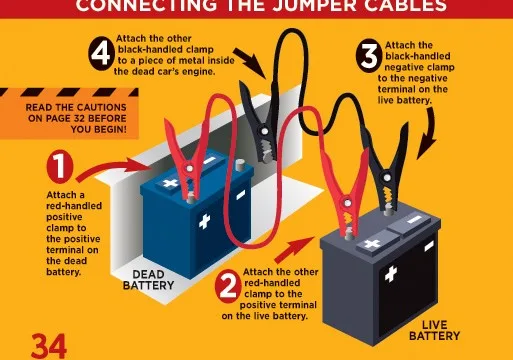
- Verify the dead-battery condition. Lights dim, a single click, no crank. If you hear rapid clicking, the battery is weak but not fully dead. No sound at all often means a bad connection, not a dead battery.
- Turn off the vehicle, remove the key, and switch off all accessories (lights, radio, climate).
- Check the jump starter's charge level. Most units need at least 50% to crank a V6 or larger. Below that, charge it first or grab a different unit.
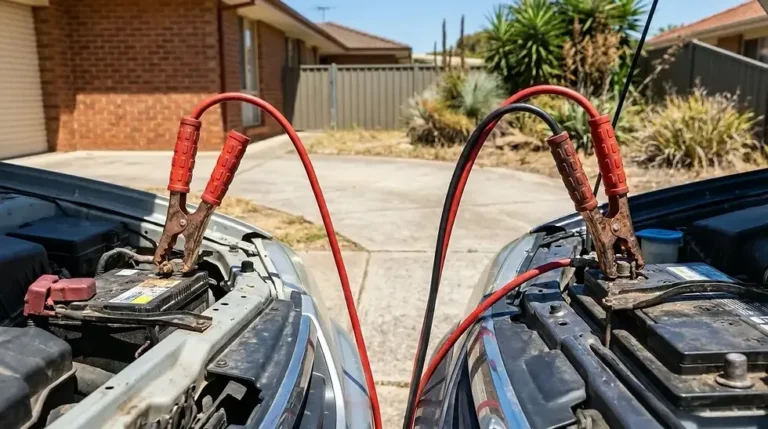
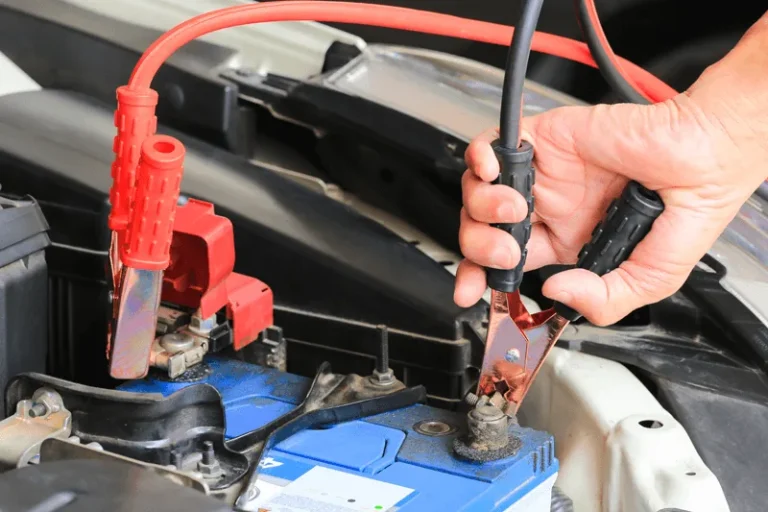
- Connect the red clamp to the positive (+) terminal of the dead battery.
- Connect the black clamp to a clean, unpainted metal ground on the engine block or chassis, away from the battery and fuel lines.
- Power on the jump starter. Most modern units auto-detect a good connection and light a green indicator.
- Crank the engine in 3 to 5 second bursts. If it doesn't start, wait 30 to 60 seconds before trying again to let the unit cool.
- Once the engine starts, disconnect the black clamp first, then the red. Do not let the clamps touch each other.
- Let the engine idle or drive for at least 20 minutes to recharge the car's battery through the alternator.
If the engine doesn't start after three or four attempts, the problem isn't your jump starter, it's the battery (or the alternator, or the starter motor). Time to call for a tow or roadside service.
Step-by-Step: How to Maintain It So It Works When You Need It
A jump starter that dies in storage is just a brick. Lithium chemistry needs some attention, but not much.
- Recharge the unit within 24 hours of any jump-start use. Letting a Li-ion or LiFePO4 pack sit at 0% damages the cells.
- Top up the charge every 1 to 3 months during storage. Self-discharge rates are low for lithium (1% to 3% per month) but not zero.
- Store at room temperature when possible. Hot trunks (140°F+) and freezing car interiors both shorten battery life.
- Keep the unit at 40% to 60% charge for long-term storage, not 100%. Full charge sitting for months stresses the cells.
- Inspect the clamps and cables every few months. Look for cracked insulation, corroded copper, or weak spring tension in the jaws.
- Wipe down the case and clamps with a dry cloth. Battery acid residue kills metal clamps over time.
A unit stored correctly should hold 80%+ capacity for 3 to 5 years before you notice any real degradation. Neglected units can drop to half capacity in a year, or fail entirely if stored fully discharged.
Common Mistakes When Buying and Using a Jump Starter
Most failures come from one of these.
- Buying by peak amps alone. A 4,000-amp peak unit with poor clamp quality and a weak control board will fail where a 1,500-amp unit from a reputable brand succeeds.
- Undersizing for a diesel. Diesels need serious cranking amps, especially cold. A small Li-ion pack rated for a 4-cylinder will not start a 6.0L Power Stroke in January.
- Storing it fully discharged. A Li-ion pack at 0% for months can permanently lose capacity or become unsafe to recharge.
- Ignoring the clamps. The clamps are the failure point. Cheap stamped-metal jaws don't bite corroded terminals, and undersized cables overheat under load.
- Clamping to the wrong ground. Connecting the negative clamp to the negative terminal can ignite hydrogen gas venting from the battery. Ground to bare metal on the chassis instead.
- Skipping a multimeter check. A "dead" battery might actually be 12.4V with a bad starter. Jump-starting won't help and masks the real issue.
- Letting the unit freeze overnight. A frozen pack can crack its cells. Bring it inside in winter.
- Assuming all USB-C ports are equal. A 5W USB-C port charges a phone painfully slow. Look for 18W PD or higher if you care about device charging speed.
Jump Starter vs. Jumper Cables vs. Roadside Assistance vs. Battery Tender
A jump starter doesn't replace everything else. It complements a broader roadside plan.
| Option | Best for | Limitations |
|---|---|---|
| Portable jump starter | Solo drivers, remote areas, anyone without a second vehicle | Needs to be charged, has a finite number of starts |
| Traditional jumper cables | Pairing with a willing helper vehicle | Requires another car and driver, risk of clamp mistakes |
| Roadside assistance (AAA, insurance add-on) | Anyone who wants zero involvement | Wait times of 30 minutes to several hours, recurring cost |
| Battery tender / maintainer | Long-term storage (classic cars, seasonal vehicles) | Doesn't start a dead battery, only prevents discharge |
The smart play is layered: carry a jump starter for self-sufficiency, and keep roadside assistance as your backup for situations the unit can't handle (bad alternator, dead starter, out-of-fuel). A battery tender is for the second car in the garage, not the daily driver.
Air Compressor Combo Models: Worth It or Gimmick?
Combo units pair a jump starter with a 100 to 150-PSI air compressor. They look like a great deal on paper, but the execution varies wildly.
What they do well: eliminate the need for a separate tire inflator, useful for off-roaders, RVers, and anyone with multiple vehicles. A combo unit can top off low tires in 5 to 10 minutes.
Where they fall short: the compressor and the battery compete for the same internal cells. A combo unit that can jump a V8 might struggle to inflate four 33-inch tires on a single charge. The compressor also adds bulk, weight, and a second point of failure.
Verdict: If you regularly need both functions, a good combo unit (look for a 120+ PSI rating and a dedicated compressor mode) saves space and money. If you only need a tire inflator once a year, a $30 standalone 12V compressor is the better buy. Don't pick a combo unit just because the price is similar to a jump-only model.
The compressor usually gets cheapened in those designs.
How Much Should You Spend? Pricing Tiers and What You Get
As of 2026, the consumer market roughly breaks into three tiers.
| Price range | What you get | Who it's for |
|---|---|---|
| $50 to $100 | 800 to 1,500 peak amps, Li-ion, basic safety features, USB output | Compact cars, moderate climates, occasional use |
| $100 to $200 | 1,500 to 2,500 peak amps, LiFePO4 options, smart clamps, USB-C PD, faster recharge | V6 and V8 owners, cold climates, regular use |
| $200 to $400 | 2,500+ peak amps, LiFePO4, air compressor combos, larger displays, longer warranties | Diesel owners, fleet use, professional roadside service |
| $400+ | 24V commercial units, 3,000+ peak amps, ruggedized cases | Heavy trucks, commercial fleets, off-grid work sites |
The sweet spot for most people is $100 to $200. You get a real LiFePO4 unit, smart clamps, USB-C PD, and enough cranking amps for any gas engine. Going below $100 usually means cutting on clamp quality and the control board, which are the two parts that matter most.
Airline, Storage, and Travel Rules for Lithium Jump Starters
Lithium batteries are restricted on airlines, and jump starters are no exception. Per the FAA's lithium battery guidance, units under 100 watt-hours fly in carry-on luggage without airline approval. Units between 100 and 160 Wh require airline approval.
Anything over 160 Wh is banned on passenger aircraft.
For road trips, no special rules apply. Just don't leave a jump starter in direct sun on a 110°F day. Heat above 140°F can trigger thermal protection in some units and degrade cells over time.
For long-term home storage, keep the unit in a climate-controlled space if possible. A closet shelf at 50% to 60% charge is the textbook storage condition. Avoid concrete floors in unheated garages (temperature swings hurt the cells) and avoid attic storage in summer (heat kills lithium).
The Right Pick for Your Situation: A Decision Guide
Pulling everything together, here's the if/then logic that actually works.
- If you drive a 4-cylinder gas car in a mild climate, get a 150 to 400 peak amp Li-ion unit in the $60 to $100 range. Anything more is overkill.
- If you drive a V6 or V8 and want one device that always works, get a 1,500 to 2,000 peak amp LiFePO4 unit in the $130 to $200 range.
- If you drive a diesel or live where winters drop below 0°F, get a 2,500+ peak amp LiFePO4 unit with low-temp rated cells, $200 to $300.
- If you run a fleet or drive a 24V commercial vehicle, skip consumer models entirely. Look at commercial 24V jump packs from industrial suppliers.
- If you only need a backup for an occasional battery death, the cheapest unit with proper safety certifications will do. Don't overspend on a device that sits in your trunk 99% of the time.
The common thread: match the chemistry and amp rating to your engine and climate, then buy the best clamps and control board your budget allows. Those two details matter more than any other spec on the box.
Real Scenarios: Picking the Right Unit for Real Drivers
The Daily Commuter in Phoenix
Sarah drives a 2019 Honda Civic 1.5T. Phoenix heat cooks car batteries, so she's killed two in five years. For her, a $80, 1,000-peak-amp Li-ion unit in the glove box covers the engine and the heat.
LiFePO4 would last longer, but the premium isn't worth it for a small 4-cylinder in a mild-to-hot climate. The smart move: a unit that can sit at 130°F trunk temps without swelling.
The Diesel Owner in Calgary
Mark runs a 2017 F-250 with the 6.7L Power Stroke. Calgary winters hit -30°C. He needs a LiFePO4 unit rated for at least 2,500 peak amps, with low-temp cutoffs and pre-warm circuits.
Anything less, and the unit either refuses to deliver current in the cold or browns out mid-crank. For him, the $250 price tag is a no-brainer compared to a tow.
The Overlanding Family
A couple running a 4Runner with a rooftop tent, traveling Baja for a month. They need a 1,500 to 2,000 peak amp unit with USB-C PD for laptops, a bright flashlight for night breakdowns, and a strong warranty. Weight matters, but reliability matters more.
A 3-pound LiFePO4 unit checks every box.
The Fleet Manager
A small delivery company runs 12 Sprinter vans. Each van gets a dedicated jump starter, and the shop keeps two commercial units on the bench. For them, the decision is standardization: one model across the fleet, easy to train on, easy to replace, with a manufacturer that honors warranty claims.
Brand reliability beats spec sheets here.
Expert Tips From the Bench
After reviewing manufacturer specs, aggregate user feedback, and warranty claims data across dozens of units, a few patterns stand out.
- The clamp is the part that fails first, not the battery. Spend the extra $20 for a unit with thicker cables (8 AWG or lower) and aggressive jaw teeth.
- A unit's real-world cranking amps is often 40% to 60% of its rated peak. Plan for that gap when sizing to engine.
- Recharge time matters more than people think. A 9-hour recharge after a jump means your backup is offline for a full day. Look for 3 to 5 hour recharge via USB-C PD.
- Warranty length signals manufacturer confidence. Two-year warranties are standard, three-year is a good sign, anything under one year is a red flag.
- Per UL 2743 standards for portable power packs, the safety certification testing is rigorous. Units without that mark have not been independently verified for the safety claims on the box.
When the Jump Starter Doesn't Fix It
A jump starter solves a dead battery. It does not solve a bad alternator, a failing starter motor, or a parasitic drain. Knowing the difference saves you hours of frustration.
| Symptom | Likely cause | Jump starter fixes it? |
|---|---|---|
| Single click, then nothing | Dead battery | Yes |
| Rapid clicking | Weak battery, may need multiple attempts | Usually yes |
| No sound at all, lights dim | Bad connection or deeply discharged battery | Sometimes, may need a longer charge |
| Cranks slowly but won't start | Weak battery or starter motor issue | Maybe, recharge battery first |
| Cranks strong, won't fire | Fuel, spark, or immobilizer issue | No |
| Starts, dies immediately | Bad alternator, can't hold charge | No |
| Battery dies again after a few hours | Parasitic drain or bad battery cells | No |
If your car needs a jump more than twice in a month, the battery itself is done. A new battery runs $120 to $250 installed, far less than the cumulative cost of repeated jump-starts and the stress on your vehicle's electronics.
Picking a Brand Without Getting Burned
Brand selection is a real risk in this category. The jump starter market is flooded with lookalike units from third-party sellers on major marketplaces, many of which inflate peak amp ratings by 2x or 3x.
Signs of a trustworthy brand:
- Listed spec sheets with both peak and cranking amps
- A real warranty with a US-based service contact
- Independent reviews on established automotive or powersports sites
- Certifications from UL, FCC, or CE clearly printed on the unit
- A company that's been in the battery or automotive space for 5+ years
Red flags:
- Spec sheets with only "max amps" and no cranking rating
- Sellers with no verifiable manufacturer or warranty process
- Peak amp ratings that seem disconnected from the unit's physical size and weight
- Reviews that all read like paid placements within the first month of release
- Units that look identical to others under different brand names (the white-label problem)
Per Consumer Product Safety Commission recall data, lithium jump starters have been recalled for fire risk roughly a dozen times in the past five years. Most recalls hit no-name brands with thin documentation. Established brands have stronger quality control and a clearer path to a refund or replacement.
Storage for the Long Haul
If you only drive your car a few times a month, or you're putting a vehicle up for the winter, jump starter storage needs a small adjustment.
- Bring the unit indoors if the car will sit in sub-freezing temps for more than a week.
- Charge the unit to 50% to 60% before long-term storage, not 100%.
- Re-check the charge every 60 to 90 days and top up if it drops below 30%.
- Store in a dry, room-temperature spot. Avoid humid basements (corrosion risk) and hot attics (heat damage).
- Keep the unit away from flammable materials. A swollen or damaged lithium cell is a real fire risk, not a theoretical one.
- Inspect before re-use after 6+ months of storage. Look for case swelling, leaks, or corrosion on the terminals.
A well-stored unit should still deliver a full jump after 3 years of idle time. A neglected one might be at 30% capacity and unsafe to fast-charge. The difference is just a few minutes of attention every couple of months.
Troubleshooting: When the Unit Doesn't Behave
If the jump starter won't power on after storage, plug it in for at least 30 minutes before assuming it's dead. Many units have a deep-sleep mode that needs a brief charge cycle to wake up.
A unit that clicks but won't crank the engine is undersized for the load. Let it rest for a minute, then try a shorter 2-second burst. If it still fails, the engine is asking for more amps than the pack can safely deliver.
A swollen or hot-to-the-touch unit must be retired immediately. Stop using it, move it to a non-flammable surface outdoors, and contact the manufacturer for disposal guidance.
Maintenance Schedule: A Quick Reference
Check the unit every 90 days: charge level, clamp condition, cable insulation. Top up if it drops below 50%. Replace if you see swelling, leaks, or corroded copper under the clamp jaws.
A 5-minute check every three months keeps a jump starter ready for years. Neglect it for a year and you might be buying a new one.
Where to Buy and What to Avoid
Buy direct from manufacturer sites, established automotive retailers, or authorized dealers. Avoid third-party marketplace sellers with no verifiable return policy. Per FTC consumer guidance, counterfeit electronics are a known problem on major platforms, and the seller often disappears before a warranty claim is filed.
Frequently Asked Questions
How many amps do I need to jump start my car?
For a 4-cylinder gas engine, 400 to 800 peak amps is enough. For a V6 or V8, look for 1,200 to 2,000 peak amps. Diesel engines need 2,000+ peak amps, sometimes more depending on displacement and temperature.
When in doubt, go one tier higher rather than lower.
How long does a jump starter hold its charge in storage?
Lithium-ion and LiFePO4 units lose roughly 1% to 3% of charge per month sitting idle. A fully charged unit stored under normal conditions should still have 70%+ capacity after 12 months. Lead-acid jump boxes lose 5% to 15% per month, so they need more frequent top-ups.
Can a jump starter damage my car's computer?
Modern units with reverse-polarity and over-current protection are designed to prevent damage. The risk comes from cheap units without those safety circuits, or from user error like connecting clamps backwards on an unprotected pack. Stick with UL or FCC-certified units from known manufacturers and the risk is near zero.
Can I take a jump starter on a plane?
Yes, with limits. Per the FAA's lithium battery rules, units under 100 Wh can fly in carry-on luggage without airline approval. Units between 100 and 160 Wh need airline approval.
Anything over 160 Wh is banned on passenger planes. Always carry it in your carry-on, never checked baggage.
Is a jump starter with an air compressor worth it?
Only if you'll actually use the compressor. Combo units cost more, weigh more, and have more components that can fail. For daily drivers with no off-road or fleet needs, a standalone jump starter plus a $30 plug-in tire inflator is a more reliable setup.
What's the difference between peak amps and cranking amps?
Peak amps is the maximum burst a unit can deliver for 1 to 2 seconds, and it's the most inflated spec on the box. Cranking amps measures sustained current over 30 seconds at 32°F, closer to real starting conditions. Per SAE J537 testing standards, cranking amps is the number to trust when comparing units.
How long do jump starters last?
A quality lithium or LiFePO4 unit lasts 3 to 5 years with proper storage and periodic top-ups. Cheaper units often fail within 18 to 24 months, usually at the clamps or the control board.
Can you overcharge a jump starter?
Modern units have overcharge protection that stops the cycle at 100%. Leaving it plugged in for a week won't damage a well-designed unit, but unplug once it's full to be safe.
Do jump starters work in the rain?
Most consumer units handle light rain if the ports and clamps stay dry. Don't submerge the unit, and dry the clamps before storing. A wet clamp stored in a case can corrode the copper.
Final Recommendation: A Simple Decision Guide
Match the unit to your engine and climate first, then to your budget. A $130 LiFePO4 pack covers most drivers in any climate. Spend more only if you drive a diesel, run a fleet, or need an air compressor.
A well-chosen unit is one you'll never think about until the moment you desperately need it, and then it earns its keep in 30 seconds flat.