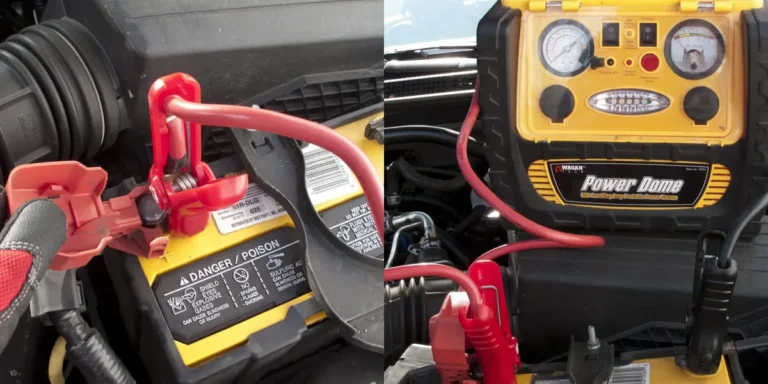
How to jump start your car without another car: Easy guide
Your battery is dead. There's nobody around to lend a jump. You're stuck in a parking lot, a driveway, or some random side street, and the clock is ticking.
Learning how to jump start your car without another car turns a stranded moment into a 10-minute fix, and it's easier than most drivers think.
As of 2026, portable lithium jump starter packs typically weigh under 2 pounds, deliver 1000 to 3000 peak amps, and can crank engines up to about 6.0 liters on gas or 3.5 liters on diesel. We've dug through manufacturer specs, battery safety standards from the U.S. Department of Energy, and aggregate reviews to give you a workflow that works whether you have a tool or just a hill and a couple of friends.
Quick Answer
Use a portable lithium jump starter pack to crank the engine in under 10 seconds. Connect the red clamp to the positive terminal, then the black clamp to an unpainted metal ground. Power on the pack, crank for 3 to 5 seconds, disconnect in reverse order, and drive for 30 minutes.
If you drive a manual and own no jump pack, push-start on a slope or with helpers.
Why You Need a Solo Jump-Start Method
Dead batteries don't warn you. You turn the key, hear a single click or nothing at all, and realize the second vehicle you'd planned to flag down simply isn't there. Most drivers assume a jump requires another running engine, but that's only one option out of several.
Three reliable solo methods exist today:
- A portable lithium jump starter pack (the fastest, safest option)
- Push-starting (bump-starting) a manual transmission on a slope or with helpers
- A combination of both: a jump pack as a backup if push-starting isn't possible
Having at least one of these methods in your back pocket removes the panic factor. It also protects your car's electronics, because rushing a jump with the wrong setup can fry sensors that cost hundreds to replace. The [U.S.
Department of Energy's vehicle technology office](https://www.energy.gov/vehicles) confirms that modern 12V lead-acid batteries deliver the same starting voltage as older units, but they're more sensitive to voltage spikes from improper jump procedures.
How a Dead Battery Actually Happens
Before we get into the fix, it helps to know what's going on under the hood. A 12V lead-acid battery powers your starter motor and the ignition system. When it's drained, the starter can't spin the engine fast enough to fire it up.
Common causes we see most often:
- Leaving headlights, interior lights, or a dome light on overnight
- Cold weather, where battery capacity drops roughly 20% at 32°F and up to 50% at 0°F
- A battery older than 4 to 5 years losing its ability to hold a charge
- A failing alternator that didn't recharge the battery while driving
- Loose or corroded terminal connections that block current
- Parasitic drain from an aftermarket accessory (dash cam, phone charger, alarm)
How do you tell the difference between a dead battery and a bad alternator? A dead battery usually produces a rapid clicking sound or complete silence when you turn the key. A bad alternator often lets the car start and then die within minutes.
If your dashboard lights are dim or flickering before the no-start, that's another strong battery clue.
Your Three Real Options Without Another Car
You have three viable solo paths. Each one fits a different situation, and the right pick depends on your transmission type, your tools, and your environment.
Option 1: Portable Lithium Jump Starter Pack
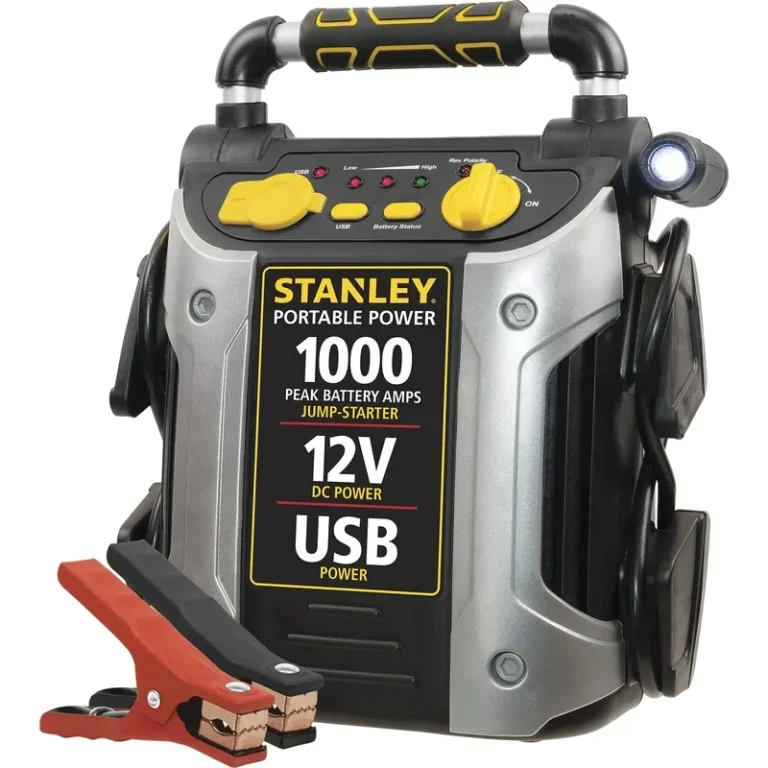
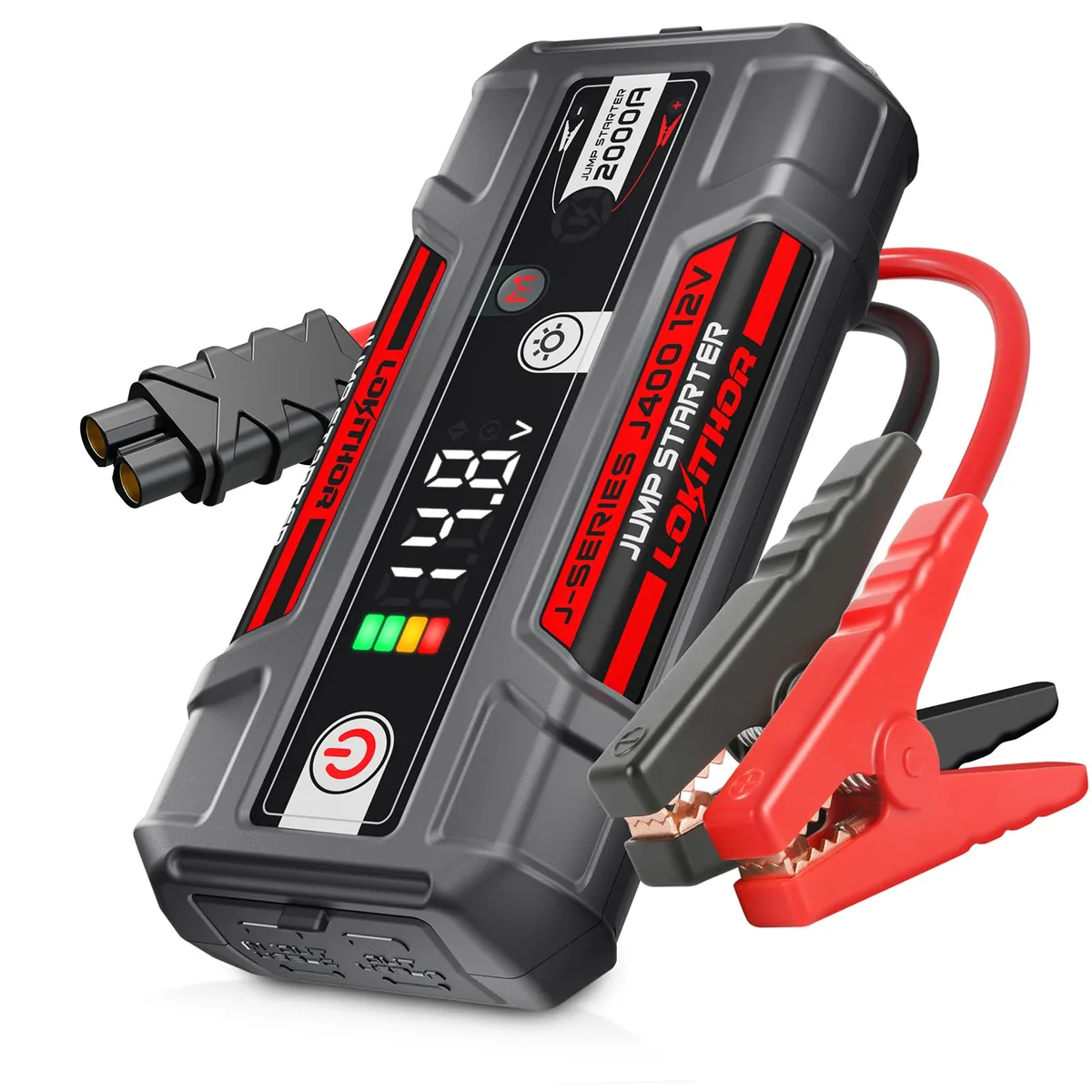
A compact lithium jump pack is the most reliable solo method. It holds its charge for 3 to 6 months on the shelf and crams 1000 to 3000 peak amps into a device the size of a paperback book. Most models cost between $60 and $150 and include USB ports and a built-in flashlight.
Best for: anyone who drives daily, lives in a cold climate, or wants a true one-button solution.
Option 2: Push-Starting (Bump-Starting)
If your car has a manual transmission and you have a slope, helpers, or enough road to build momentum, push-starting works for free. It bypasses the battery entirely by spinning the engine mechanically until it fires.
Best for: manual car drivers caught without tools, with a downhill slope or willing pushers nearby.
Option 3: Combine Both
Carry a small jump pack for emergencies and know how to push-start as a free backup. Belt and suspenders.
Best for: drivers who want zero-risk coverage in any scenario.
Which Method Fits Your Situation (Decision Branch)
This is the decision tree that matters most. Your transmission type dictates whether push-starting is even on the table.
Manual Transmission Owners
You have two paths: a jump pack or a push start. If you own a pack, use it. If you don't, push-starting works as long as you have a slope or helpers.
Automatic Transmission Owners
Push-starting won't work for you. You need a jump pack, a roadside service call, or a battery replacement. Automatics rely on a torque converter that won't crank the engine without hydraulic pressure, so manual rolling alone won't fire the engine.
Drivers With a Portable Jump Pack
Skip the rest of the decision tree and follow the steps in the next section. You're 5 minutes from a running engine.
Drivers With Nothing But Gravity and Muscle
You're a manual-only option. Find a slope, engage second gear, release the clutch while rolling, and steer into a parking spot. If the slope isn't there, you'll need 2 to 3 helpers to push you to roughly 5 to 10 mph.
| Situation | Recommended Method | Why |
|---|---|---|
| Automatic transmission, no slope | Jump pack | Push-start doesn't work on automatics |
| Manual, parked on a hill | Push-start | Free, fast, no tools needed |
| Manual, flat ground, no helpers | Jump pack | Push-start requires either slope or muscle |
| Cold climate, older battery | Jump pack | Cold drains capacity, push-start harder |
| Rural area, no cell service | Jump pack + push-start knowledge | Belt-and-suspenders coverage |
How to Jump Start With a Portable Battery Pack
This is the most common solo method, and it works on both manual and automatic cars. The whole thing takes about 10 minutes from start to running engine. Manufacturer specs from major lithium jump pack brands indicate most modern units are safe to use on gasoline engines up to 6.0L and diesel engines up to 3.5L.
What to Check Before You Connect Anything
Five quick checks prevent most jump-starting damage:
- Pack is charged above 50% (most packs have an LED indicator)
- Car is in Park (automatic) or Neutral with parking brake on (manual)
- Headlights, AC, and radio are off
- Battery terminals are clean and free of corrosion (scrape lightly with a wire brush if needed)
- Battery isn't cracked, swollen, or leaking. If it is, stop and call for service
Connecting the Clamps the Right Way
Order matters. Reverse polarity can blow fuses or fry the ECU.
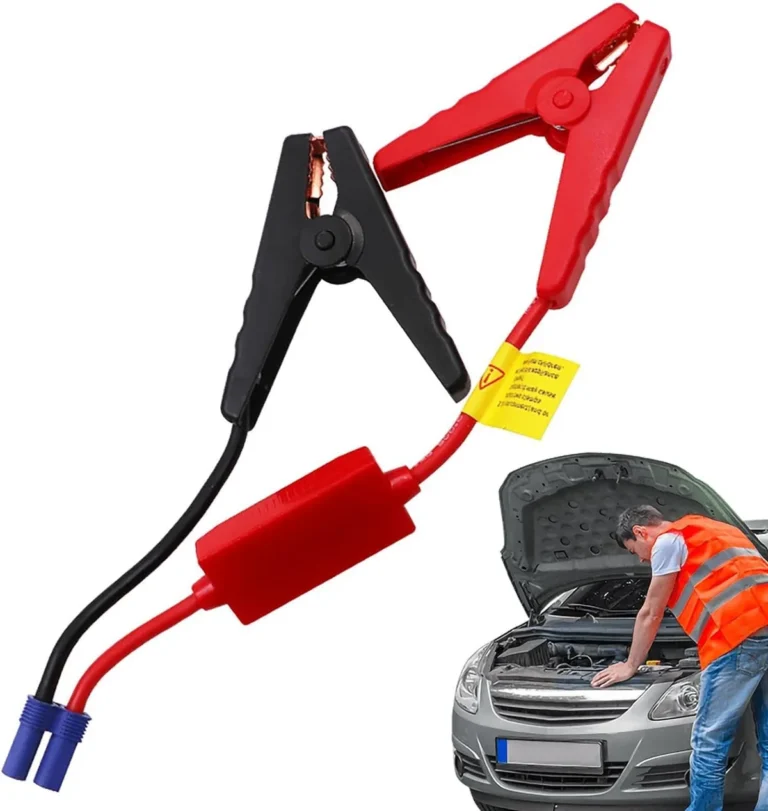
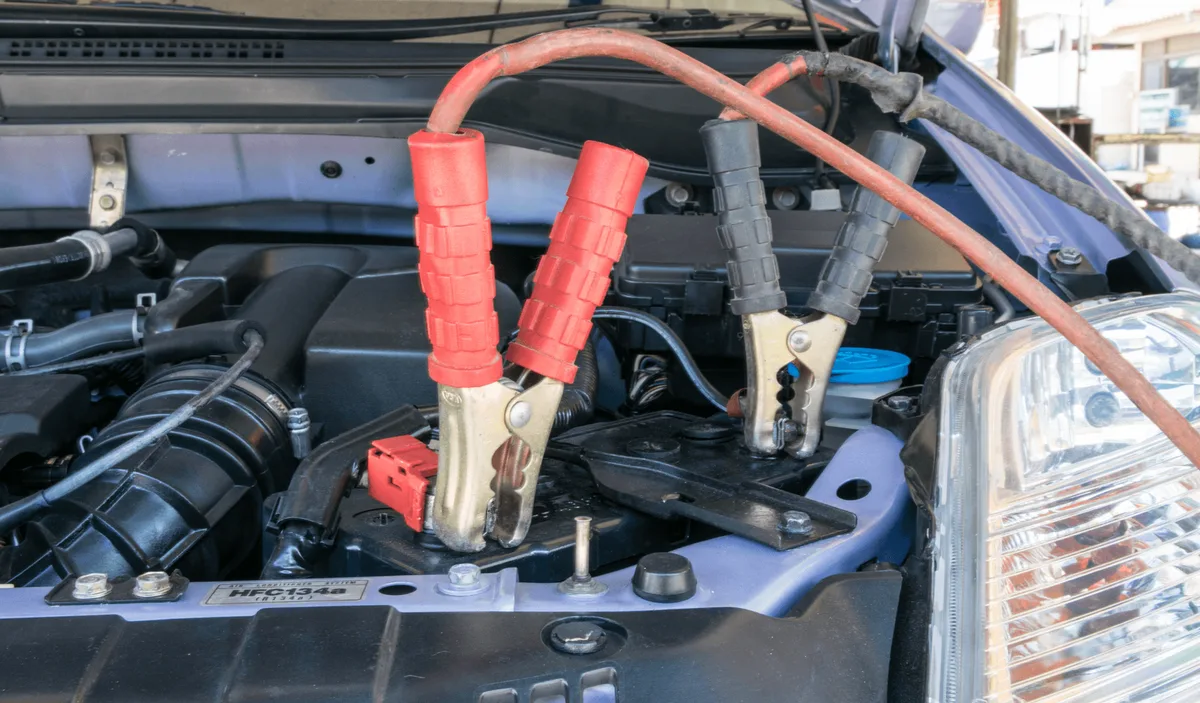
- Connect the red clamp to the battery's positive (+) terminal. It's usually marked red or has a plus sign.
- Connect the black clamp to an unpainted metal ground, such as an unpainted bracket or engine bolt. Avoid the negative terminal if you can; the ground point reduces sparking risk.
- Make sure the clamps aren't touching each other and aren't draped over any moving parts (belts, fans).
Cranking the Engine Safely
Power on the jump pack. Wait 3 to 5 seconds for the unit to handshake with the battery. Turn the key to start and hold for no more than 5 seconds.
If the engine doesn't fire, wait 30 seconds and try again. Most engines start on the first or second attempt.
Disconnecting and Restarting the Engine
Once the engine runs, leave it idling for at least 1 to 2 minutes before disconnecting anything. Then disconnect in reverse order: black clamp first, then red clamp. Don't shut the engine off.
Drive immediately or let it idle for 15 to 30 minutes to put a partial charge back into the battery.
How to Push Start a Manual Car the Right Way
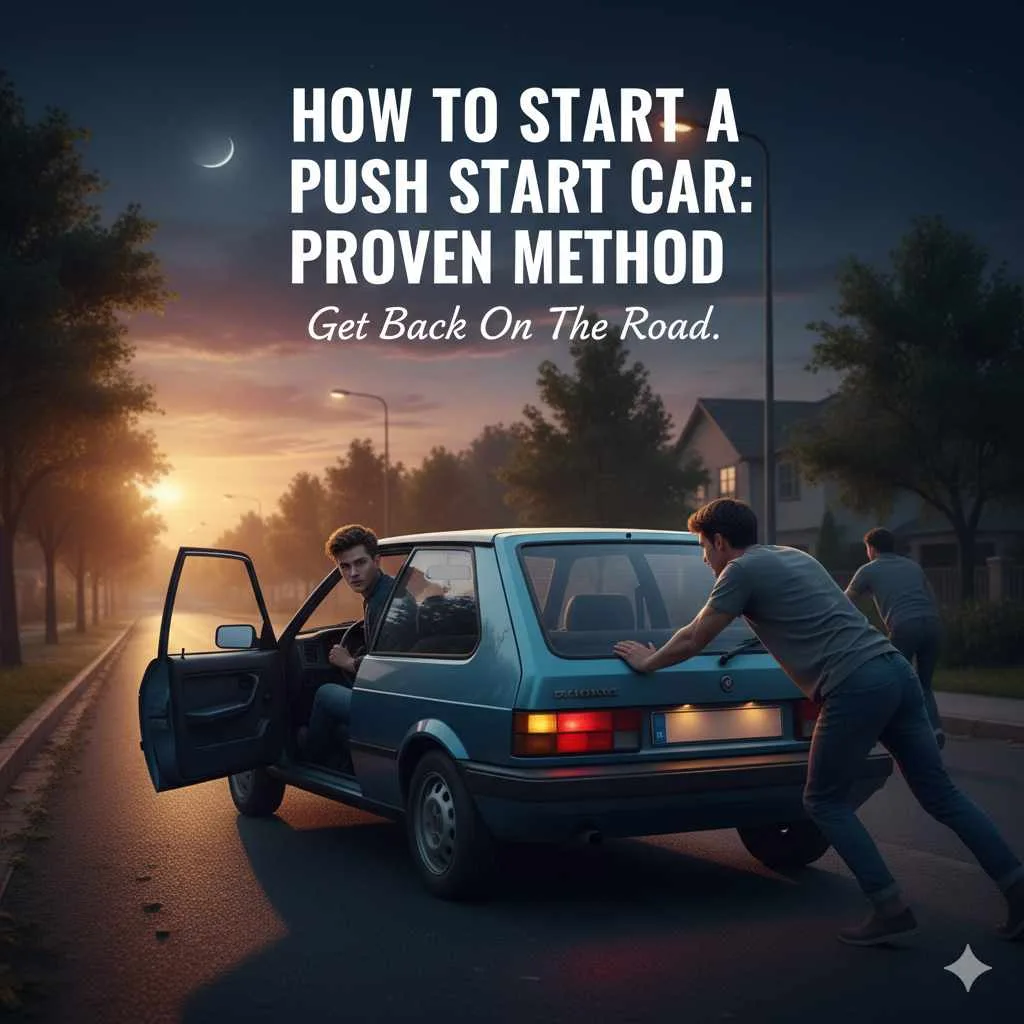
Push-starting bypasses the battery entirely. You spin the engine mechanically until combustion takes over, and the alternator does the rest. It costs nothing, works in any weather above freezing, and only requires a slope or a couple of helpers.
The catch: it only works on manual transmissions.
Finding a Slope or Helpers
You need about 5 to 10 mph of momentum for the engine to fire reliably. A moderate downhill grade works perfectly. Flat ground works too, but only if you have 2 to 3 people willing to push.
Make sure your path is clear of traffic, pedestrians, and curbs before you start rolling.
Engaging the Clutch and Second Gear
Turn the ignition to the on position. Put the transmission in second gear (first works but causes more jerking). Hold the clutch pedal down until you reach running speed, then release it smoothly while gently pressing the gas.
The engine should fire within a second or two.
Steering, Braking, and Staying Safe
Once the engine catches, you're driving. Press the clutch back in to avoid stalling at low speed. Pull into a safe parking spot immediately.
Keep in mind that your power steering and brake booster won't function until the engine runs, so the steering and pedal feel heavier than usual during the push.
Can You Push Start an Automatic? The Short Answer
No, you cannot push-start an automatic transmission car. Automatics use a torque converter filled with transmission fluid, and without engine running pressure, that converter cannot transfer motion from the wheels to the engine crankshaft. Even at 30 mph down a hill, an automatic won't fire from a roll.
Your only solo options with an automatic are a portable jump starter pack or a call to roadside service. There's no workaround. If you drive an automatic and don't yet own a jump pack, that's your sign to buy one this week.
Mistakes That Can Fry Your Electrical System
Most jump-starting damage comes from a handful of avoidable mistakes. Aggregate user reviews and mechanic-reported issues point to the same culprits over and over.
- Connecting the black clamp to the negative terminal when there's heavy corrosion. Use an unpainted metal ground instead.
- Letting the red and red clamps touch once they're live. This creates a dead short that can weld the clamps together.
- Cranking for more than 10 seconds continuously. The starter motor overheats fast.
- Jump-starting a frozen battery. A frozen battery can explode when current hits it. Warm it up first or call for service.
- Skipping the engine idle time after a successful start. The alternator needs at least 15 to 30 minutes to put meaningful charge back.
One more worth flagging: don't try to jump a battery that is cracked, swollen, or leaking. The internal damage means it can rupture under load. Replace it instead.
When the Battery Won't Take a Jump at All
Sometimes you do everything right and the engine still won't crank. That usually means the battery is too far gone to accept a charge. The voltage has dropped below the threshold the jump pack needs to detect, or the internal cells are shorted.
What to do next:
- Wait 5 to 10 minutes with the jump pack still connected. Sometimes the pack's trickle charge can lift the voltage enough to attempt a crank.
- Try a second crank cycle of 5 seconds each, spaced 30 seconds apart.
- If the engine still won't fire, the battery is likely dead for good. Replace it before driving anywhere.
A clicking sound with no crank usually means low voltage. Complete silence with working dash lights usually means a bad starter or wiring. Neither of those is a battery issue, so a jump won't help.
How Long to Drive After a Jump to Recharge
The alternator recharges the battery while the engine runs, but the recharge rate depends on RPM and electrical load. Idling barely puts charge back. Highway driving works fastest.
Here's the rough timeline:
| Driving Condition | Approximate Charge Recovery |
|---|---|
| Idling in park | 30+ minutes to add meaningful charge |
| City driving (low RPM) | 20 to 30 minutes |
| Highway driving (2000+ RPM) | 15 to 20 minutes |
| Full recharge from a deep drain | 2 to 4 hours of driving |
Turn off every accessory you can. Heated seats, rear defrost, the infotainment screen, and phone chargers all steal charging current. The less you run, the faster the battery recovers.
What a Good Jump Pack Should Have (Specs That Matter)
Not all jump packs are built the same. A cheap unit might deliver 400 peak amps and call it good. A solid one delivers 1500 to 3000 peak amps with safety circuits that protect your car's electronics.
Peak Amps and Cranking Capacity
For most cars and SUVs, 1000 peak amps is the minimum. 1500 to 2000 covers almost every gas engine up to 6.0L. For trucks and diesels, look for 2000+ peak amps. Cold cranking amps (CCA) rating matters more in freezing temperatures.
Built-In Safety Features
Look for these protections on every pack you consider:
- Reverse polarity alarm and protection
- Spark-proof clamp design
- Overcurrent and short-circuit cutoff
- Over-temperature shutdown
- UL, FCC, or CE safety certification
Extra Features Worth Having
USB-A and USB-C ports double the pack as a phone charger. A built-in LED flashlight with SOS mode helps in roadside emergencies. A digital display showing remaining battery percentage beats guessing from LED bars.
Operating temperature range of at least -20°C to 60°C keeps the pack usable in winter and summer.
Choosing Between a Jump Pack and a Push Start
Both methods work, but they're not interchangeable. Here's the breakdown.
| Factor | Jump Pack | Push Start |
|---|---|---|
| Works on automatics | Yes | No |
| Cost | $60 to $150 one-time | Free |
| Skill required | Connect clamps, follow steps | Coordinate rolling, clutch, gas |
| Time to start | Under 5 minutes | 5 to 15 minutes |
| Works alone | Yes | No (needs helpers or slope) |
| Cold weather reliability | High (with proper spec) | Moderate |
| Reusable | Yes, 3 to 6 month charge retention | Always available |
If you drive daily and want the simplest solo option, the jump pack wins. If you drive a manual, know how to push-start even if you also own a jump pack. It's a free fallback that never runs out of battery.
Safety Precautions You Shouldn't Ignore
A jump start is low risk when done correctly, but a few habits keep it that way.
- Wear safety glasses. Batteries can vent small amounts of hydrogen gas, which can irritate or ignite.
- Never smoke near a battery being jumped.
- Remove rings, watches, and metal jewelry before handling clamps. A live clamp across a wedding ring will weld to skin.
- Keep the jump pack away from the battery once the engine fires. Heat and vibration can shift it.
- Don't leave the jump pack connected for more than 30 seconds after the engine starts.
If you smell rotten eggs (sulfurous odor) at any point, disconnect immediately and ventilate the area. The battery may have a cracked case and is at risk of venting gas.
Keeping Your Battery Alive So You Don't Need This Again
Prevention beats roadside recovery every time. A few habits extend battery life well past the typical 4 to 5 year mark.
Drive your car at least once a week for 20+ minutes. Short trips never let the alternator fully recharge the battery. Clean the terminals every 6 months with a wire brush and a paste of baking soda and water.
Check the battery voltage annually; a healthy resting voltage is 12.4 to 12.7V. Anything below 12.2V means the battery is undercharged and at risk.
In extreme climates, a battery blanket or insulated wrap keeps the battery warmer in winter. Cold batteries deliver less current and strain the starter. Warmer batteries start easier and last longer.
What to Do If Nothing Works
Sometimes the car refuses to start even after a proper jump. That's a signal something beyond the battery is wrong. Common culprits include a bad starter motor, a failed alternator, corroded ground cables, or a parasitic drain that's emptying the battery overnight.
If your jump pack cranks the engine and it still won't fire, the problem is mechanical, not electrical. That's a tow truck situation, not a roadside fix.
If the jump works but the battery dies again within hours or a day, you have a parasitic drain or a failing alternator. A mechanic can run a parasitic draw test in about 30 minutes. Until then, drive directly to a service shop instead of shutting the engine off.
Frequently Asked Questions
How long should you run a car after a jump start?
Run the engine for at least 15 to 30 minutes to put a partial charge back into the battery. Highway driving at 2000+ RPM recharges faster than idling. Turn off accessories like heated seats and phone chargers to speed up the recovery.
Can you jump start a car with a portable battery pack in the rain?
Yes, modern lithium jump packs are sealed and rated for outdoor use. The 12V system in your car runs at low voltage that won't be affected by wet conditions. Just keep the jump pack itself out of standing water and wipe the clamps before connecting.
How many times can you jump start a car before replacing the battery?
Most car batteries tolerate 3 to 5 jump starts before they fail permanently. If you're jump-starting more than twice in 6 months, the battery is on its way out. Replace it before it strands you somewhere inconvenient.
Will jump starting a car damage the alternator or ECU?
Properly jump-starting with a modern lithium pack won't damage either. Reverse polarity, voltage spikes from old-style boosters, or cranking a frozen battery can damage the alternator or ECU. Use a pack with reverse polarity protection and built-in surge suppression.
What's the difference between peak amps and cranking amps in a jump pack?
Peak amps is the maximum burst the pack can deliver for a split second. Cranking amps is the sustained current it can deliver for the full 3 to 10 seconds of cranking. For engine starting, cranking amps matters more because the starter motor draws sustained current, not just a spike.
Can you leave a jump starter pack connected after the car starts?
No, disconnect the jump pack within 30 seconds of a successful start. Leaving it connected can feed unregulated voltage back into the pack and reduce its lifespan. The alternator is now powering the car's systems and recharging the battery on its own.