How long to wait to start car when jumping: Top guide
How long to wait to start a car when jumping depends mostly on how dead the battery actually is. A mildly drained battery (think an hour of forgotten headlights) only needs a minute or two of charging before cranking. A battery that's been sitting dead for weeks may need ten minutes or longer to build enough surface charge to crank the engine safely.
Per SAE International J537 standards for 12V automotive battery testing, a healthy resting voltage sits around 12.4 to 12.7 volts. If your battery reads below 11.8V before you start, plan on a longer charging window. The wait isn't wasted time.
It protects the donor car's alternator and shields your car's ECU from voltage spikes. Let's break down exactly how to judge the right wait for your situation.
Quick Answer
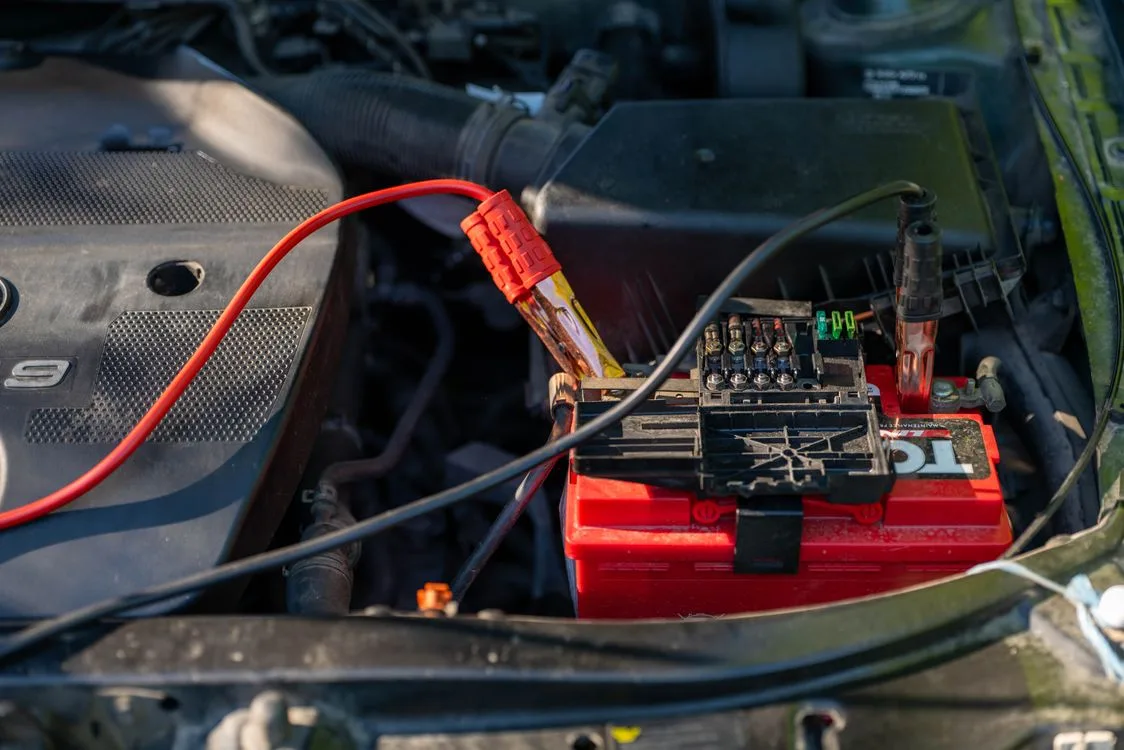
Wait two to five minutes after the cables are connected before cranking. Let the donor car idle at 1500 RPM. Crank for no more than 10 seconds per attempt.
Wait one to two minutes between attempts. Mildly drained batteries recover faster. Deeply discharged batteries need 10 minutes or longer.
Why the Waiting Time Actually Matters
Rushing the jump-start is one of the most common mistakes drivers make. You connect the cables, hop in the dead car, and turn the key immediately. Sometimes it works.
Often it just clicks. And in the worst case, you've sent a voltage spike through the donor car's charging system.
Here's what's actually happening inside the battery during those quiet minutes:
- The donor alternator starts pushing current through the jumper cables and into the dead battery.
- A chemical reaction begins rebuilding a surface charge on the dead battery's lead plates.
- That surface charge is what gives the starter motor enough amperage to crank the engine.
Manufacturer specs from Interstate Batteries confirm that most 12V lead-acid batteries need at least 2 to 5 minutes of charging time to develop a reliable surface charge. AGM batteries recover a bit faster because of lower internal resistance, but the principle is the same. Cranking too soon forces the dead battery to dump voltage faster than it can rebuild, and you'll just hear that awful clicking sound again.
There's a second reason to wait. Modern cars run everything from fuel injectors to infotainment off the ECU, and that ECU wants to see at least 10.5 volts during cranking per common automotive electrical guidelines. A jump applied too fast, with too much voltage fluctuation, can throw fault codes or in rare cases damage sensitive electronics.
What Determines the Right Wait Time for Your Situation
Not every dead battery is the same. The waiting time that works for a car that sat overnight with the dome light on won't cut it for a battery that's been dead for a month. Here's the decision logic.
How Dead Your Battery Actually Is
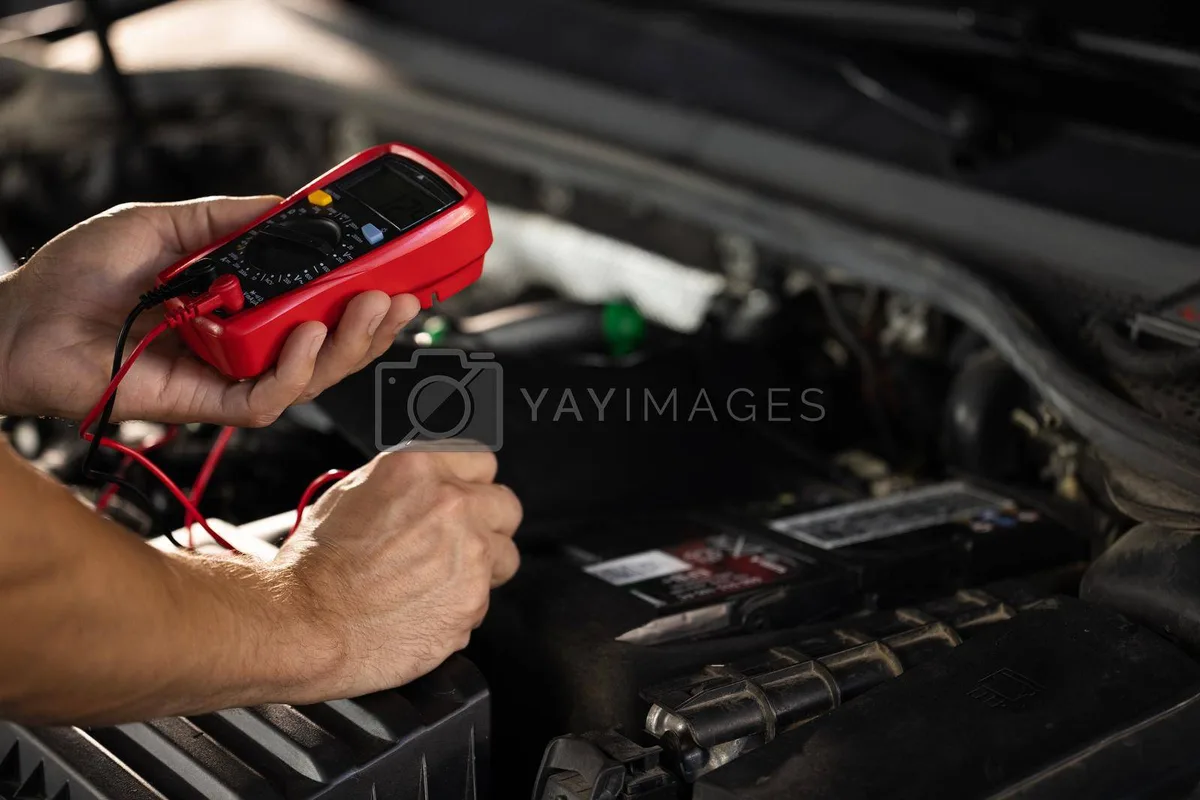
Before you connect a single clamp, gauge the depth of discharge. A quick test with a multimeter or a dash voltage display tells you a lot. If you don't have a multimeter, look at the symptoms.
| Battery State | Symptoms | Approximate Wait Before Cranking |
|---|---|---|
| Mild discharge (12.0 to 12.3V) | Slow crank, dim lights, radio works | 2 to 3 minutes |
| Moderate discharge (11.5 to 11.9V) | Clicking, no crank, dash lights flicker | 5 to 8 minutes |
| Deep discharge (below 11.5V) | Nothing happens at the key, no dash lights | 10 to 15 minutes |
| Fully dead or sulfated | Zero response, may have sat for 30+ days | Jump likely won't hold, replace battery |
Whether You're Using Cables or a Jump Starter
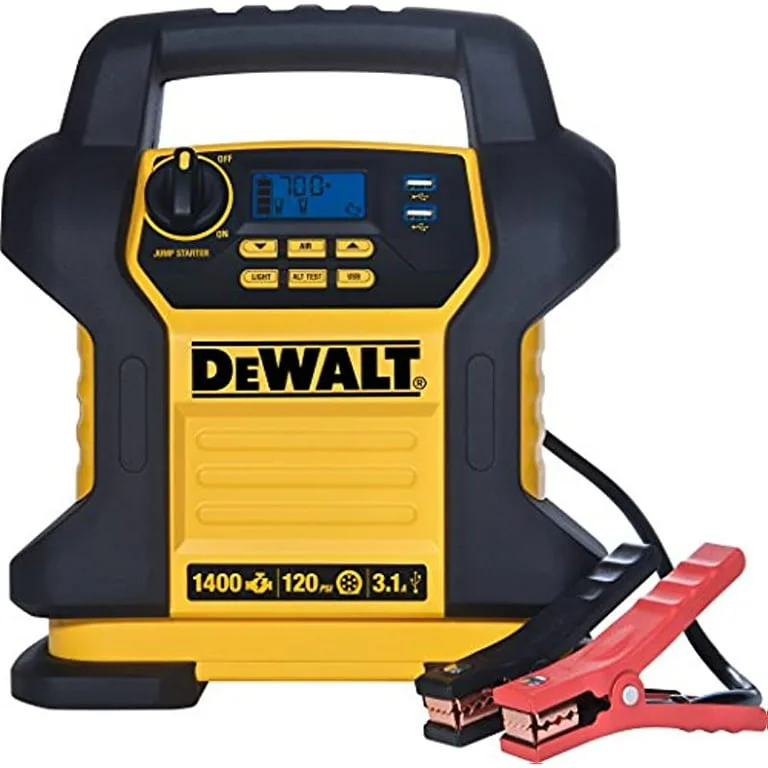
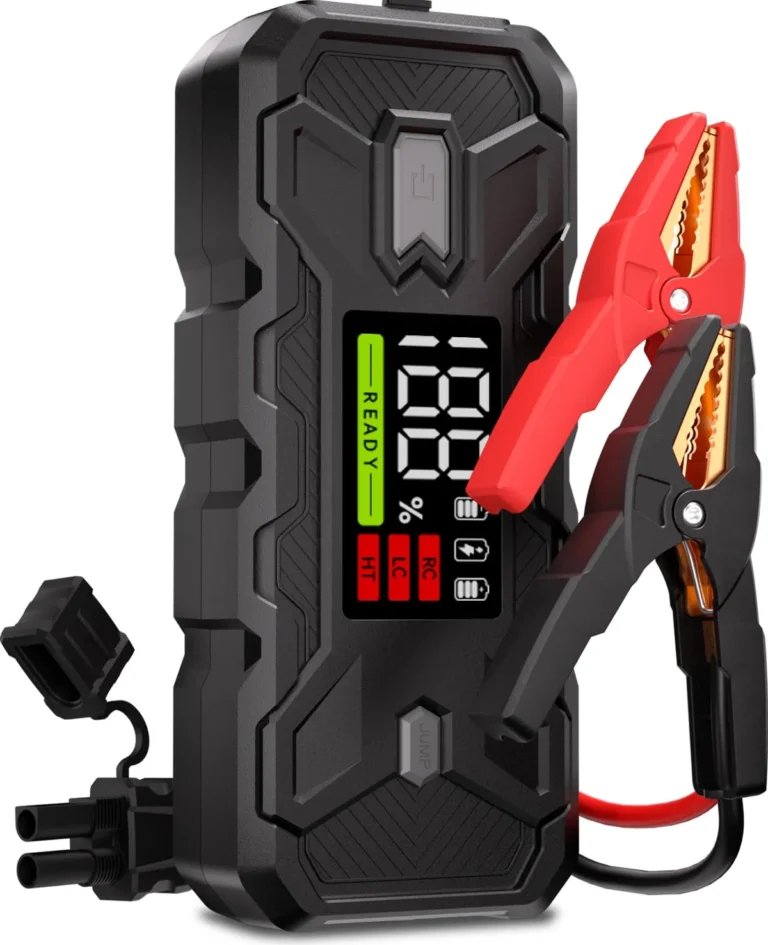
A portable jump starter (booster pack) delivers a much higher cranking amperage than jumper cables, sometimes 1000 to 2000 peak amps. That means you can often skip the waiting period entirely and crank immediately, since the booster's lithium or supercapacitor cells provide their own surge current.
With traditional jumper cables, the donor car's alternator has to do all the work, and that takes time. If you're using cables from a donor vehicle, plan on the longer waits above. If you're using a quality jump starter pack, you can usually crank within 30 to 60 seconds of connection.
The Temperature Outside
Cold weather is brutal on lead-acid batteries. Per Battery Council International data, battery capacity drops roughly 20% at 32°F and as much as 50% at 0°F. A battery that would start fine in July may not have the cranking amps on a January morning.
In cold conditions, double your normal wait time. If a mild discharge normally needs 3 minutes, give it 6 when the thermometer reads below freezing.
Age and Type of Your Battery
AGM (Absorbent Glass Mat) batteries recharge faster than traditional flooded lead-acid because of lower internal resistance. EFB (Enhanced Flooded Battery) units used in start-stop vehicles fall somewhere in between. A standard flooded battery that's over 4 years old may simply refuse to hold a charge regardless of wait time.
The Step-by-Step Jump-Start Timeline That Works
Here's the workflow that consistently gets a dead engine started without damaging anything. Follow it in order.
Step 1: Inspect Before You Connect
Walk around both vehicles first. Check for cracked battery cases, leaking acid, or a sulfur smell. If you see any of those, do not attempt a jump.
Call for a tow instead. Make sure both vehicles are in Park or Neutral with the parking brake set. Turn off every accessory: headlights, radio, climate control, phone chargers.
Step 2: Connect the Cables in the Right Order
This is where most people get it wrong. The order matters because it minimizes the risk of sparks near battery gases.
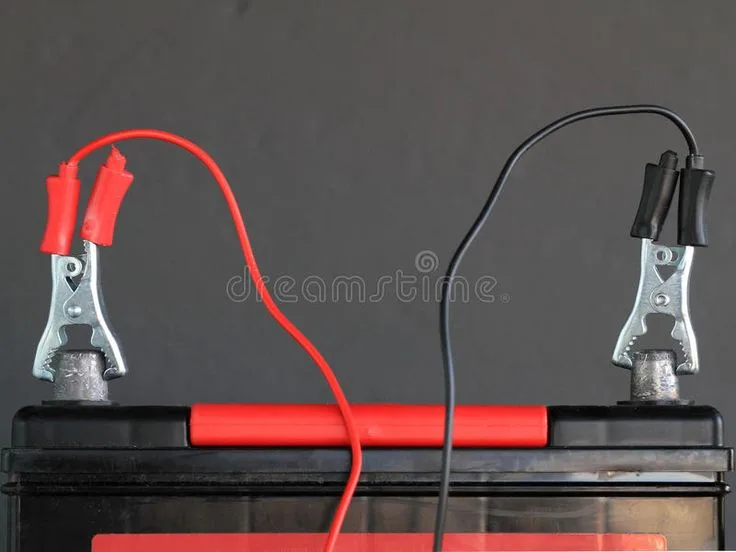
- Red clamp to the positive (+) terminal of the dead battery.
- Red clamp to the positive (+) terminal of the donor battery.
- Black clamp to the negative (−) terminal of the donor battery.
- Black clamp to a clean, unpainted metal ground point on the dead car (engine bracket, strut bolt). Never the dead battery's negative terminal.

Step 3: Run the Donor Vehicle and Wait
Start the donor car and let it idle at 1500 RPM for 2 to 3 minutes. This raises the alternator output and pushes current through the cables faster. Don't floor the gas pedal.
A steady 1500 RPM is the sweet spot.
For a deeply discharged battery, extend this idle period to 10 minutes. You can touch the positive cable after a few minutes and feel it warm up slightly. That's normal and a sign current is flowing.
Step 4: Crank the Dead Car
Turn the key and crank for no more than 10 seconds. If the engine starts, great. Move to Step 6.
If it just clicks or doesn't turn over, stop cranking immediately. Continuing to crank with no response just drains whatever surface charge you built up.
Step 5: Rest and Retry
If the first crank fails, let the donor car keep running for 1 to 2 more minutes before trying again. You can attempt up to three crank cycles total. If the third attempt fails, the problem isn't just a dead battery.
You may be looking at a bad starter, a broken alternator, or a battery too far gone to recover. Stop and diagnose further.
Step 6: Disconnect in Reverse Order
Once the dead car is running, disconnect the cables in reverse: black from the ground point, black from the donor's negative terminal, red from the donor's positive, red from the jumped car's positive. Keep both cars running. Do not shut off the jumped car for at least 15 to 20 minutes.
Waiting Time Based on Your Situation
Let's walk through specific scenarios, because the generic "wait 3 minutes" advice leaves a lot of drivers stranded.
Mild Discharge (Lights Left on for an Hour)
Voltage usually reads 12.0 to 12.3V. The car will likely start after just 2 minutes of donor-vehicle idle. Crank time: 3 to 5 seconds.
Once started, drive for at least 20 minutes or let it idle 30 minutes to recharge.
Deep Discharge (Sat Dead for Days or Weeks)
Voltage may read below 11.5V. Plan on 10 to 15 minutes of donor idle before cranking. Crank time may take the full 10 seconds.
Even after a successful start, the battery is likely permanently damaged. Drive directly to an auto parts store for a free load test, or replace the battery.
Cold-Weather Dead Battery
A battery that wouldn't have died in summer calls it quits at 20°F. Expect a longer wait (8 to 12 minutes) and a slower crank. Keep the donor car running longer before attempting.
If the engine doesn't start within three tries, bring the battery inside to warm up before another attempt.
Completely Dead Battery with No Dashboard Lights
This is the hardest case. No interior lights, no door chime, nothing. The battery may read below 10V.
Most manufacturer documentation suggests this battery has either deeply discharged or failed internally. Try 15 minutes of donor charging first. If still no response, the battery is almost certainly sulfated and needs replacement, not just a jump.
As of 2026, most auto parts retailers still offer free battery testing, which will confirm the diagnosis in under 10 minutes.
Per AAA roadside emergency guidance, drivers attempting more than three consecutive jump-starts without success should stop and seek professional help to avoid damaging the donor vehicle's electrical system.
Jump-Starting With Cables vs. a Portable Jump Starter
The waiting game changes completely depending on which method you're working with. Jumper cables lean on the donor car's alternator to push current into the dead battery, which takes time. A portable jump starter (booster pack) has its own internal battery delivering 1000 to 2000 peak amps directly to your starter motor.
| Method | Wait Time | Best For | Limitations |
|---|---|---|---|
| Jumper cables + donor car | 2 to 15 minutes depending on battery state | When you have access to another running vehicle | Requires a second vehicle, longer wait, donor alternator under load |
| Portable jump starter | 30 seconds to 2 minutes | Solo situations, cold weather, compact cars | Must be charged, peak amp rating must match engine size |
| Push-start (manual only) | N/A, instant roll | Manual transmission cars with healthy batteries | Not possible on automatics, requires 2+ people and a slope or push |
If you drive solo frequently or live somewhere cold, a quality lithium jump starter rated for your engine size is a worthwhile investment. Most modern units hold their charge for 6 to 12 months between uses, making them true "emergency in a glove box" tools.
What to Do Right After Your Car Starts
Getting the engine running is only half the job. The battery still has a long way to go before it's actually charged.
How Long to Keep It Running
Manufacturer service manuals typically recommend at least 30 minutes of engine runtime to put a meaningful charge back into a depleted battery. That can be either idling in your driveway or, better yet, driving. There is a myth that idling "doesn't charge as well as driving." In reality, the alternator output at idle (roughly 13.7 to 14.7 volts) is plenty for slow charging.
Driving at higher RPMs charges quicker, but the difference isn't dramatic.
Whether Driving Charges Faster Than Idling
Yes, but only slightly. At 1500 to 2000 RPM, the alternator spins faster and produces closer to its maximum output. At idle (around 700 RPM), output drops by 30 to 50%.
Either way, you're looking at 30 minutes minimum to recover from a deep discharge.
When the Battery Still Won't Hold a Charge
If your car starts after the jump but dies again the next morning, the battery is almost certainly dead. A healthy 12V battery should hold above 12.4V after sitting overnight. Anything below 12.0V the next day means internal damage, usually sulfation.
Time for a replacement.
Common Mistakes That Damage Your Alternator or ECU
Skip these and you'll save yourself a much more expensive repair than a battery.
Revving the Donor Car Too High
There's no benefit to flooring the gas pedal on the donor car. Per SAE J180 alternator testing standards, output voltage is regulated and stays within a safe range regardless of RPM. Revving just wastes fuel and sends unnecessary vibration through the cables.
Cranking for More Than 10 Seconds
Each crank attempt draws 200 to 600 amps through your cables and starter. Holding the key past 10 seconds overheats the starter windings. If the engine doesn't catch in 10 seconds, something mechanical or electrical is wrong.
Skipping the Wait and Trying Immediately
We've covered this one already, but it bears repeating. The wait isn't optional. It's how the dead battery builds enough surface charge to crank safely.
Wrong Ground Point Connection
Clamping the final black cable to the dead battery's negative terminal can ignite hydrogen gas venting from the battery. Always use a chassis ground or engine bracket at least 12 inches away from the battery itself.
Safety Rules You Should Never Skip
Jump-starting involves 12 volts of direct current, which sounds harmless until you remember that a car battery can deliver 300 to 600 amps. That's enough to weld metal, melt a ring off your finger, or ignite battery gases.
- Wear safety glasses. Battery acid and hydrogen gas are no joke.
- Remove all jewelry before leaning over a battery.
- Make sure the vehicles don't touch each other. A positive-to-ground short across two bumpers will fry electronics.
- Never attempt to jump a frozen, cracked, or leaking battery. It can explode.
- Keep the donor and dead cars in Park or Neutral with parking brakes engaged.
- Never smoke near a battery, even if it looks sealed. Hydrogen off-gassing is real.
Signs Your Battery Is Actually Dead (Not Just Discharged)
Sometimes a jump-start isn't the right fix at all. Here are the warning signs that point to a dead battery versus a simple drain:
- Battery is more than 4 to 5 years old.
- Visible bulge on the battery case.
- Sulfur (rotten egg) smell from the engine compartment.
- Terminals covered in blue-white corrosion that returns quickly after cleaning.
- Voltage drops below 12.0V the morning after a successful jump and drive.
- Headlights dim dramatically when you turn on the A/C or rear defroster.
If any of these match your situation, replace the battery rather than chasing jump-start after jump-start.
What to Do When the Jump Doesn't Work the First Time
Three failed attempts is the hard stop. Before that, work through these checks in order.
- Check all four cable connections. A loose clamp is the most common cause of a failed jump.
- Confirm the donor car is actually running and idling above 1200 RPM.
- Wait 5 more minutes and try once more.
- Clean any corrosion off the dead battery's terminals with a wire brush or a baking soda paste.
- Verify the donor battery itself has enough charge. A weak donor leads to a weak jump.
- If the engine cranks but won't fire, the issue may be fuel, not battery.
After all of that, if the engine still won't start, the problem is almost certainly beyond a dead battery. Possible culprits include a failed starter motor, a broken alternator, a bad ignition switch, or a parasitic drain that killed the battery and is still active.
Jump-Starting in Special Vehicles
Manual Transmission Push-Start Alternative
If your car has a manual gearbox and you have a couple of willing helpers, you can skip jumper cables entirely. Put the car in second gear, hold the clutch down, have your friends push the car to about 5 mph, then release the clutch smoothly while giving the engine a little gas. The rolling momentum turns the engine over and often starts it instantly.
Hybrid and Start-Stop Vehicles
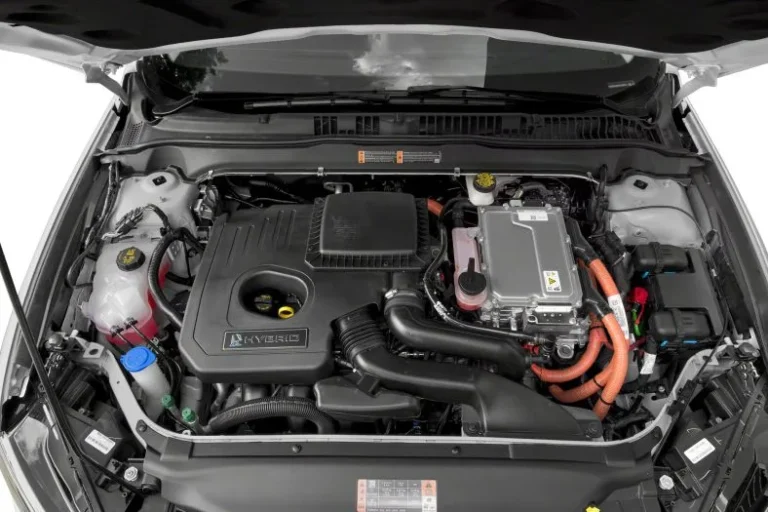
Hybrids like a Prius use a dedicated 12V auxiliary battery to power the ECU and computer systems, separate from the high-voltage hybrid battery. You jump the 12V battery just like any other car, but the jump points are often under the hood or in the trunk, not on the battery itself. Check your owner's manual for the exact location.
The hybrid system won't engage until the 12V battery is above 12V.
Diesel Trucks With Dual Batteries
Diesel engines need huge cranking amps, often 800 to 1000 CCA per battery. Many diesel pickups run two 12V batteries in parallel. When jumping, you only need to connect to one of the batteries, but use heavier-gauge cables (4 AWG or thicker).
The wait time is usually shorter because diesels have such large battery banks to draw from, but cranking time should still stay under 10 seconds.
When to Skip the Jump and Call a Professional
A few situations call for a tow truck instead of jumper cables.
- The battery is cracked, frozen, or leaking.
- You smell sulfur coming from under the hood.
- The engine cranks but won't fire after three jump cycles.
- You're on a busy highway shoulder and safer hands are worth the tow fee.
- The vehicle has a start-stop system and you're not sure where the jump points are.
- You've attempted three jumps in the past 48 hours and the battery keeps dying.
Jump-Start Wait Time Cheat Sheet
| Situation | Wait Before Cranking | Crank Limit | Rest Between Tries |
|---|---|---|---|
| Mild discharge, warm weather | 2 to 3 min | 5 sec | 1 min |
| Mild discharge, cold weather | 5 to 6 min | 8 sec | 2 min |
| Deep discharge | 10 to 15 min | 10 sec | 2 min |
| Portable jump starter | 30 to 60 sec | 5 sec | 1 min |
| Hybrid 12V auxiliary | 5 min | 5 sec | 1 min |
| Diesel dual battery | 5 to 8 min | 10 sec | 2 min |
Frequently Asked Questions
How long should I let my car run after a jump-start?
At least 20 to 30 minutes of driving or idling. The alternator needs that runtime to put a meaningful charge back into a depleted battery. Shorter than that and the battery may not have enough charge to start the engine again the next time you shut it off.
Can I rev the donor car to charge the dead battery faster?
Revving slightly (to about 1500 to 2000 RPM) does increase alternator output, but it won't dramatically shorten the wait. A steady idle at 1500 RPM is the sweet spot for most situations.
What if my car clicks but won't start after a jump?
That's a sign of insufficient surface charge. Let the donor car run for another 5 minutes before trying again. Also check that all four cable clamps are making solid metal-to-metal contact with clean surfaces.
Is it bad to jump-start a car in the rain?
Not particularly. Water doesn't conduct enough current at 12 volts to cause problems. The bigger concern is keeping the cable ends dry and making sure neither end of a clamp touches the ground while the other end is connected to a battery post.
How many times can I jump the same battery?
There's no hard limit if the battery is healthy, but if you need more than one jump in a week, the battery is dying and needs replacement. Repeated deep discharges permanently damage lead plates through sulfation.
Will idling in my driveway fully recharge a dead battery?
It will charge it enough to start the car next time, but it won't fully recharge. A proper recharge requires either 2+ hours of driving or a dedicated battery charger at 10 amps for 8 to 12 hours.