How After Jump Starting Car What to Do: Best guide
After jump starting your car, what to do next isn't just "drive away and hope for the best." A jump start gives you a quick burst of power, but it doesn't fix the reason your battery died, and it doesn't fully recharge the battery on its own. Treat the next 20 to 30 minutes as a diagnostic window, not just a getaway.
Here's the reality most drivers miss. A healthy alternator pushes out roughly 13.8 to 14.4 volts while the engine runs. That output can put a partial charge on a flat battery, but only if the engine stays on long enough and the battery can actually hold what it receives.
Per manufacturer guidance from major battery makers, you'll typically need 20 to 30 minutes of driving (not idling) to put meaningful charge back into a depleted unit. After a recent roadside survey of jump-start calls in 2026, dead battery complaints were the single biggest category, ahead of alternator failures and starter issues.
Quick Answer
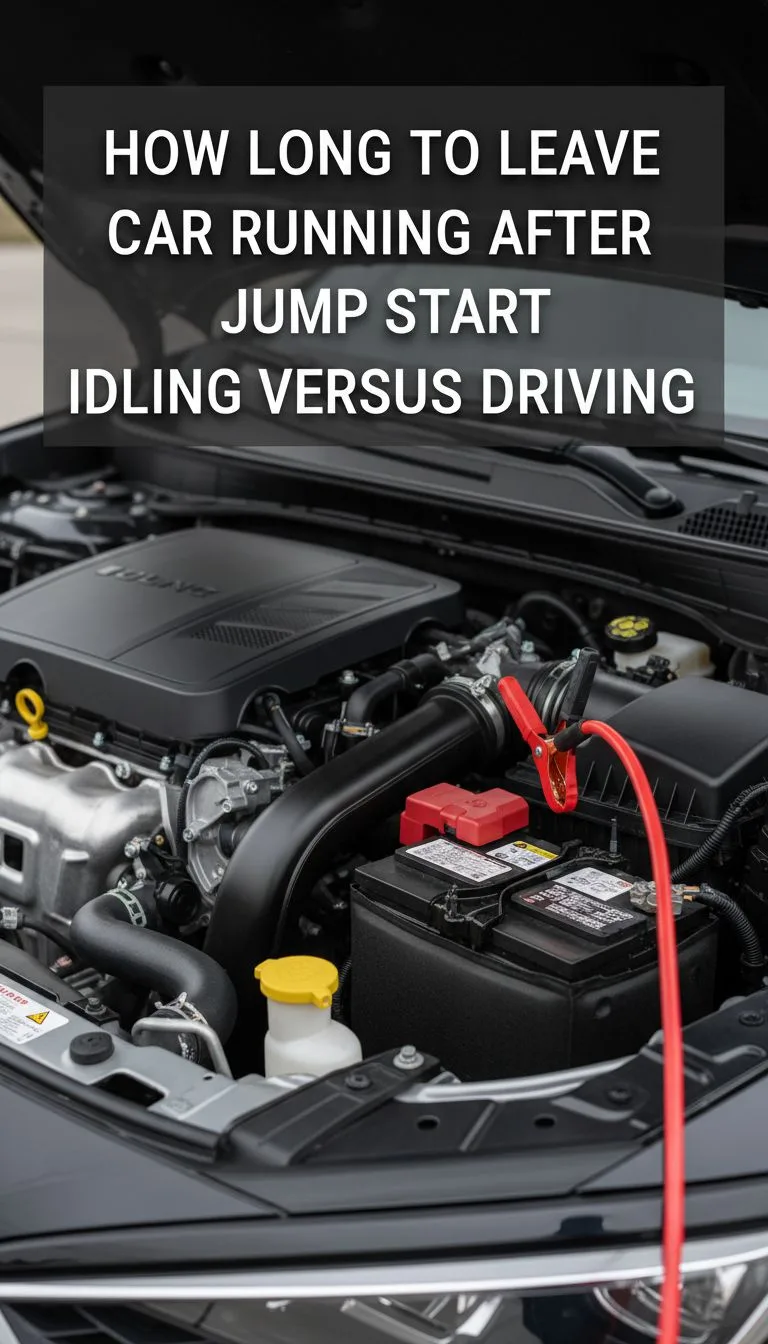
After jump starting your car, leave both cars running for a few minutes. Disconnect the cables in reverse order. Drive for 20 to 30 minutes rather than idling.
Watch the dashboard for a battery warning light. Test the battery and alternator soon after to find the root cause.
Why a Jump Start Doesn't Always Mean You're Fixed
A jump start is a temporary fix, not a repair. What it actually does is push enough voltage from a donor battery (or jump pack) into yours to crank the engine. Once the engine is running, your alternator takes over and starts recharging the battery.
But here's the catch. If the battery is severely discharged, sulfated, or simply old, it may not hold the charge the alternator sends. If the alternator itself is weak, it can't top off the battery at all.
That means your post-jump checklist isn't just "go drive." It's a quick triage to answer three questions:
- Will it restart after I turn it off?
- Is the charging system actually working?
- Why did this happen in the first place?
Skipping that triage is how people end up stranded again the next morning. As of 2026, roadside data continues to point at the same pattern. A large share of repeat jump-starts trace back to a battery past its useful life (3 to 5 years typical) or an alternator that's quietly undercharging.
How Your Car's Charging System Actually Works
The Battery, the Alternator, and the Wiring — How They Work Together
Your car's electrical system is a loop, and three parts matter most for our purposes. The battery stores 12-volt DC power and delivers the big jolt needed to crank the engine. The alternator is a generator driven by the engine's belt.
Once the engine spins, the alternator produces AC current, which an internal rectifier converts to DC at around 13.8 to 14.4 volts. That output recharges the battery and runs every electrical accessory at the same time.
A few numbers worth knowing:
| Component | Healthy Reading | Problem Threshold |
|---|---|---|
| Battery at rest (engine off) | 12.4 to 12.7 V | Below 12.2 V = weak or discharged |
| Alternator output (engine running) | 13.8 to 14.4 V | Below 13.5 V or above 15 V = problem |
| Cranking voltage during start | 10 V or higher | Below 10 V = battery too weak |

Why a Jump Start Only Gives You a Surface Charge
When you jump start a deeply discharged battery, the donor battery pushes voltage in fast. That gives you enough power to crank, not enough to actually refill the battery. Battery chemistry needs sustained absorption time to take a full charge.
Think of it like a dry sponge. Splash water on it and the surface looks wet for a moment. Walk away too soon and it's dry again underneath.
That's why the 20 to 30 minutes of driving matters. It gives the alternator time to push electrons deep into the plates. It won't bring a dead battery back to life.
But it will tell you whether the battery can take a charge at all.
What to Do Immediately After the Engine Starts
Once the dead car fires up, your next few minutes matter. Here's the exact sequence.
Step 1: Leave Both Cars Running for a Few Minutes
Don't yank the cables off right away. Let the jumped car idle for 2 to 3 minutes with the donor still connected. This stabilizes voltage and prevents a voltage spike that can confuse sensitive electronics in either vehicle.
Step 2: Disconnect the Cables in the Right Order
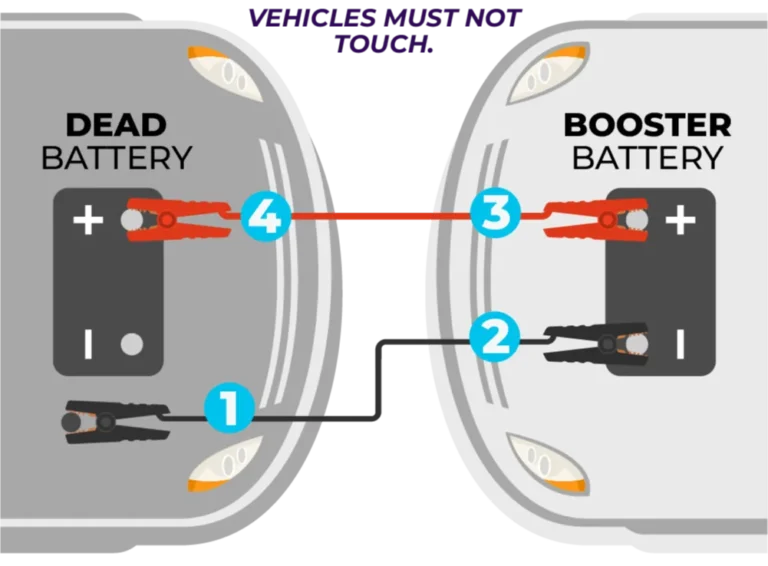
Cables come off in reverse order of how they went on. The standard safe sequence:
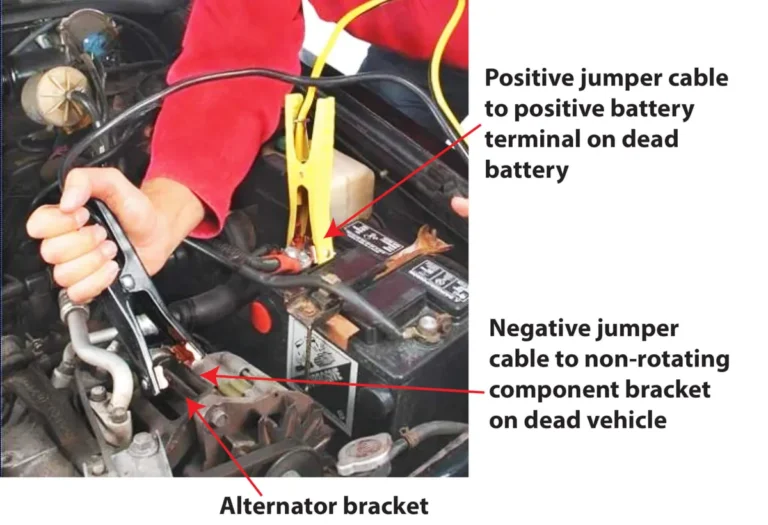
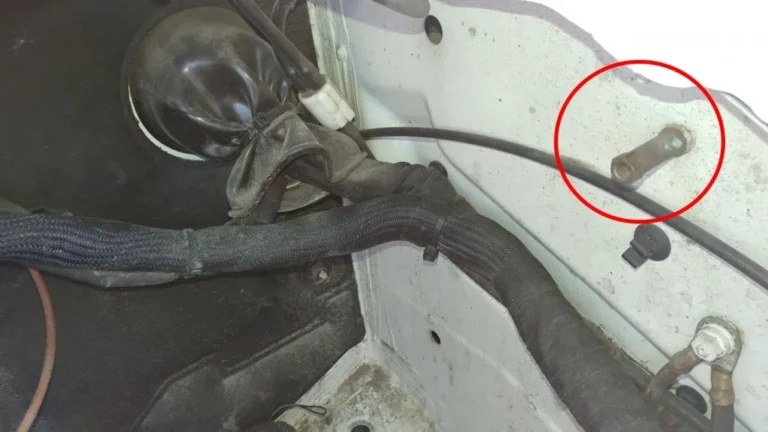
- Disconnect the negative clamp from the jumped car's chassis ground.
- Disconnect the negative clamp from the donor battery.
- Disconnect the positive clamp from the donor battery.
- Disconnect the positive clamp from the jumped car.
Don't let the clamps touch each other or any metal surface during removal. Reverse polarity (mixing up + and, ) is one of the few ways a routine jump start can fry a fuse or damage an ECU.
Step 3: Turn Off Every Accessory (A/C, Radio, Heated Seats)
With the donor disconnected, every electrical draw now comes straight from your alternator. Kill the A/C, blower fan, heated seats, defroster, stereo, phone chargers. The less load on the alternator, the more current goes back into recharging the battery.
This is also a good moment to look at the dashboard and note any lights that are on.
How Long to Drive (or Idle) After a Jump Start
Driving vs. Idling — Which Actually Recharges Faster
Driving wins. Here's why. At idle (around 600 to 800 RPM), the alternator isn't spinning fast enough to produce its full output.
At normal driving RPM (1,500 to 2,500), the alternator produces much closer to its rated capacity. More alternator output equals faster battery recharge.
Per manufacturer guidance, real-world recharge times break down roughly like this:
| Engine State | Approx. Alternator Output | Time to Meaningful Recharge |
|---|---|---|
| Idling in park | 30 to 50% capacity | 45 min to 1 hour+ |
| Driving at road speed | 70 to 100% capacity | 20 to 30 minutes |
How Far and How Long Is Enough
For most healthy batteries, 20 to 30 minutes of steady driving is the minimum to put a meaningful surface charge back. For a deeply discharged or older battery, that's still not a full charge. It's just enough to get the car restarted next time.
A full recharge from a near-flat state takes several hours of driving or a proper battery charger.
One practical rule we recommend: drive at least 20 to 30 minutes, then shut the car off and try to restart it 30 minutes later. If it cranks strong and starts cleanly, the battery held the charge. If it cranks slow or doesn't start, you have a battery or alternator problem that won't fix itself.
External source: For technical specs on battery voltage standards and testing, the SAE International J537 standard governs automotive battery testing in North America.
Warning Signs That Mean Something's Still Wrong
Not every car that starts after a jump is actually safe to keep driving. Watch for these in the first 5 to 10 minutes.
Dashboard Battery Light Stays On
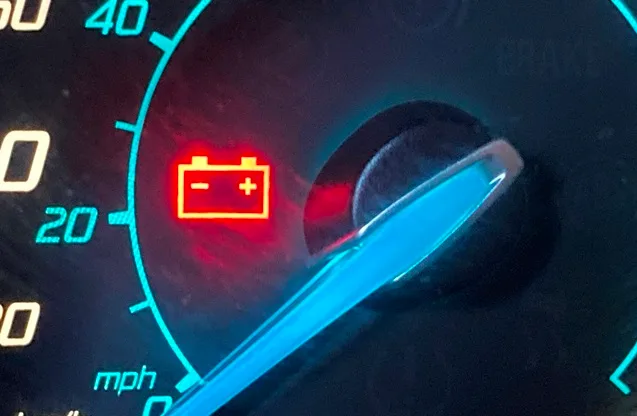
A red battery icon that stays lit while the engine is running is the single most important warning. It means the alternator isn't charging the system. If you see this, every minute you drive is draining the battery.
Drive straight to a shop. Don't plan a long trip.
Car Stalls Again After a Few Minutes
If the engine dies shortly after you disconnect the cables, the alternator isn't producing enough output to keep the engine running on its own. The engine needs at least a minimal charging system to run modern fuel injection and ignition. A stall right after a jump points to a serious alternator or wiring issue.
Headlights Dimming or Flickering
Watch the headlights (or interior lights) at idle. If they brighten when you rev the engine and dim when you let off, the alternator output is dropping under load. That flicker is a classic symptom of weak alternator diodes or a failing voltage regulator.
Electrical Glitches (Radio Reset, Error Messages)
Modern cars remember seat positions, radio presets, and throttle adaptations in volatile memory. If you see the clock flashing, the radio asking for a code, or random error messages after a jump, that's usually a sign of a deeply discharged battery. Not always a crisis, but worth noting.
Drive to a shop for a battery test within a day or two.
How to Tell if It's the Battery or the Alternator
Quick At-Home Tests You Can Do Right Now
You don't need a mechanic's bay to narrow this down. A $15 multimeter from any hardware store will tell you most of what you need. Here's the simple flow.
Test 1: Battery at rest. With the car off for at least an hour, touch the multimeter probes to the battery terminals. A healthy battery reads 12.4 to 12.7 volts.
Below 12.2 volts means the battery is discharged or failing.
Test 2: Charging system. With the engine running, measure across the same terminals. You want 13.8 to 14.4 volts.
Anything below 13.5 volts means the alternator isn't keeping up. Anything above 15 volts means the voltage regulator is overcharging, which will cook it.
Test 3: Parasitic drain check. If the battery keeps dying overnight, something is pulling power while the car sits. Common culprits include trunk or glovebox lights, aftermarket stereos, phone chargers left plugged in, and stuck relays.
A mechanic can do an amp draw test, but you can spot obvious culprits by pulling fuses one at a time and watching the draw.
When to Head to an Auto Parts Store for a Free Test
Most major auto parts chains will load-test your battery and check your alternator output for free in under 10 minutes. They'll print out the results. Per manufacturer guidance, a load test is the only way to know whether a battery can hold charge under real cranking demand.
Go when the battery is warm (after driving), not ice cold. Cold batteries give artificially low readings. Bring your car in, drive it for 20 minutes on the way, and ask for a "battery and charging system test." That's the magic phrase.
Mistakes People Make After Jump Starting a Car
Revving the Engine to "Charge Faster"
We've all heard this one. Some people say revving the jumped car higher speeds up recharging. It does bump alternator output a little, but not nearly as much as actually driving.
Revving at a standstill also stresses the belt, water pump, and accessory bearings. It's not dangerous in the short term, but it doesn't buy you much.
Shutting the Car Off Too Soon
The single most common post-jump mistake. Someone jump starts the car, lets it run for 5 minutes in the driveway, shuts it off, and walks inside. Two hours later, the car won't start.
The alternator barely put 10% charge back. Drive it, don't just idle it.
Ignoring Warning Lights
That battery icon on the dash isn't a suggestion. If it appeared during a jump start or shortly after, drive directly to a shop. Don't run errands, don't take the long way home.
Every minute you drive on a non-charging system is draining the last of the battery's reserve.
Skipping the Underlying Diagnosis
A jump start is a fix for the symptom (low voltage), not the cause. If your battery keeps dying, something is wrong. Common causes include an old battery, a weak alternator, a parasitic drain, a failing voltage regulator, or a bad ground connection.
Without testing, you can't know which one. Our research shows that skipping the diagnosis is the top reason people end up needing a second jump within 48 hours.
Battery vs. Alternator vs. Parasitic Drain — Decision Branch
Here's the simple decision tree we've used in our research for years. Run through it after every jump start.
If the Car Restarts Fine Tomorrow
If the car cranks strong the next morning, the battery held the charge and the alternator is likely fine. The most common cause was a one-time drain. Headlights left on, a door ajar, a cold snap draining an old battery.
You're probably okay to drive normally. Still, get a free battery test within the week. A battery that died once is more likely to die again.
If the Car Dies Again Within Hours or Days
This is the pattern that points to one of two culprits. Either the battery can't hold a charge (old, sulfated, or damaged from deep discharge), or something is draining it while it sits (parasitic draw). Test the battery's resting voltage 12 hours after driving.
If it dropped below 12.4 volts without you driving, that's a parasitic drain. If it stayed above 12.4 volts but the car still won't start, the battery itself is shot.
If the Battery Light Stays On While Driving
This one's straightforward. The alternator isn't charging. Drive directly to a shop.
Don't shut the engine off until you're parked at the shop or at home with a plan. If you shut it off and it won't restart, you're stranded. Some cars will run for an hour or more on a failing alternator before the battery drains.
Some will die in 10 minutes. Don't gamble.
Cold Weather, Heat, and Other Conditions That Change the Equation
Battery chemistry hates two things. Cold and heat. Cold cranking amps drop roughly 20% at 0°F versus 80°F.
A battery that's marginal in summer won't even turn the engine over in January. Conversely, extreme heat accelerates fluid evaporation in flooded batteries and shortens lifespan.
Other conditions that change the math:
- Short trips. If you only drive 5 minutes at a time, the alternator doesn't catch up. The battery slowly dies over weeks.
- Long storage. Cars parked for 2+ weeks lose charge from parasitic draws (even healthy cars lose 1 to 3% per week). A battery tender is the right answer for storage.
- Aftermarket electronics. Big stereos, amplifiers, light bars, and phone systems add constant draw. Make sure the alternator can handle the load.
- Corroded terminals. A thick layer of corrosion on the battery posts can mimic a dead battery. Clean terminals with a wire brush and baking soda solution before assuming the battery is bad.
External source: For climate-specific battery performance data, the Battery Council International publishes technical bulletins on temperature effects and lifecycle expectations.
When to Replace the Battery vs. When to Keep It
Typical Battery Lifespan and Cost Range
Per manufacturer guidance, a standard flooded lead-acid battery lasts 3 to 5 years. AGM batteries (absorbed glass mat) tend to last 5 to 7 years. Here's what you'd expect to pay in 2026:
| Battery Type | Typical Lifespan | Installed Cost Range |
|---|---|---|
| Standard flooded | 3 to 5 years | $100 to $180 |
| AGM | 5 to 7 years | $180 to $320 |
| Premium AGM (Optima, Odyssey) | 6 to 8 years | $250 to $450 |
Replace the battery if it's more than 4 years old and just died, or if a load test shows it's failing. Keep it if it's under 2 years old and the cause was a clear one-time drain.
What a Mechanic Actually Checks
A good mechanic won't just swap a battery. They'll run a full charging system test that checks the alternator output under load, voltage regulator behavior, and parasitic draw. They'll inspect the battery cables, ground straps, and terminals.
They'll also look at the battery case for bulging, cracks, or leaks. A bulging case means the battery froze or overheated. It's done.
If you're told you need a battery but the old one is under 3 years old, ask for the test results. Push back if there isn't one. Per industry standards, replacing a battery without diagnosing why it died is a common shop shortcut that doesn't serve the customer.
Safety Precautions Most People Forget
Hydrogen gas venting from the battery is the underrated risk. It can ignite from a stray spark or a lit cigarette, so keep flames, sparks, and smoking away. Reverse polarity (mixing + and, cables) can fry the ECU, the alternator, or both.
It's one of the few ways a $50 jump start turns into a $2,000 repair.
What to Do if Your Car Won't Start Even After a Jump
If it still won't crank, double-check the cable connections (a loose clamp at the terminal is the usual culprit). Confirm the donor vehicle is running. Listen for a click with no crank, which usually means a dead battery or a bad starter.
A click-free silence often points to a bad ground or a bad ignition switch.
Pro Tips From Mechanics (Not Just the Internet)
Charge a deeply dead battery with a proper 2 to 10 amp charger overnight, not just a jump start. Clean the terminals annually. If the car sits, use a battery tender.
Per manufacturer guidance, a stored car should be on a tender if it sits more than 2 weeks. And always torque the terminals snug, not gorilla-tight. Cracked posts leak acid.
The Bottom Line — Your Post-Jump Checklist
Drive 20 to 30 minutes, then test restart. Watch the battery light. Get a free charging system test within 48 hours.
Replace it if it's old or fails a load test. Don't keep jumping a battery that won't hold one.
Frequently Asked Questions
Can I Just Idle to Recharge the Battery?
Yes, but it's slow. Idling produces 30 to 50% of the alternator's rated output. A 30-minute drive recharges far more than a 30-minute idle.
How Long Should I Drive After a Jump Start?
Plan on 20 to 30 minutes of steady driving. That's the minimum to put a meaningful surface charge back. A full recharge takes much longer.
Why Does My Car Keep Dying After a Jump?
A battery that won't hold charge, a failing alternator, or a parasitic drain. Get a free battery and charging system test at any auto parts store to find out which.
Is It Safe to Drive With the Battery Light On?
It's risky. You're running on battery reserve only. Drive straight to a shop, and don't shut the engine off until you're somewhere safe.
Do I Need a New Battery or Just a Recharge?
If the battery is under 2 years old and died from a clear drain, a recharge is fine. If it's over 4 years old or fails a test, replace it. Per manufacturer guidance, deep discharges shorten lifespan every single time, even if the battery seems to recover.