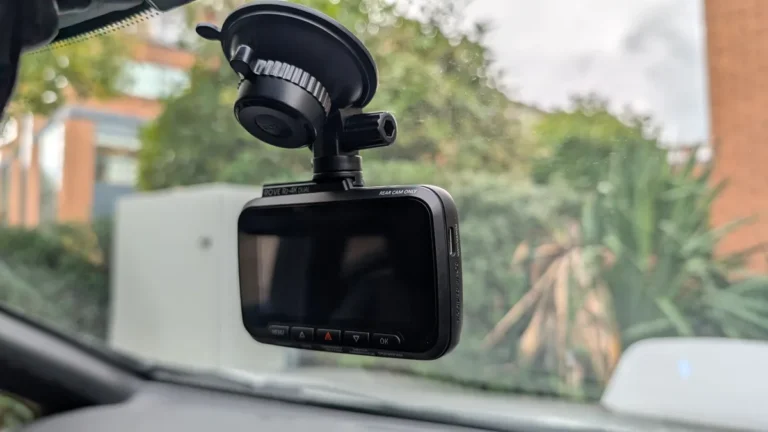
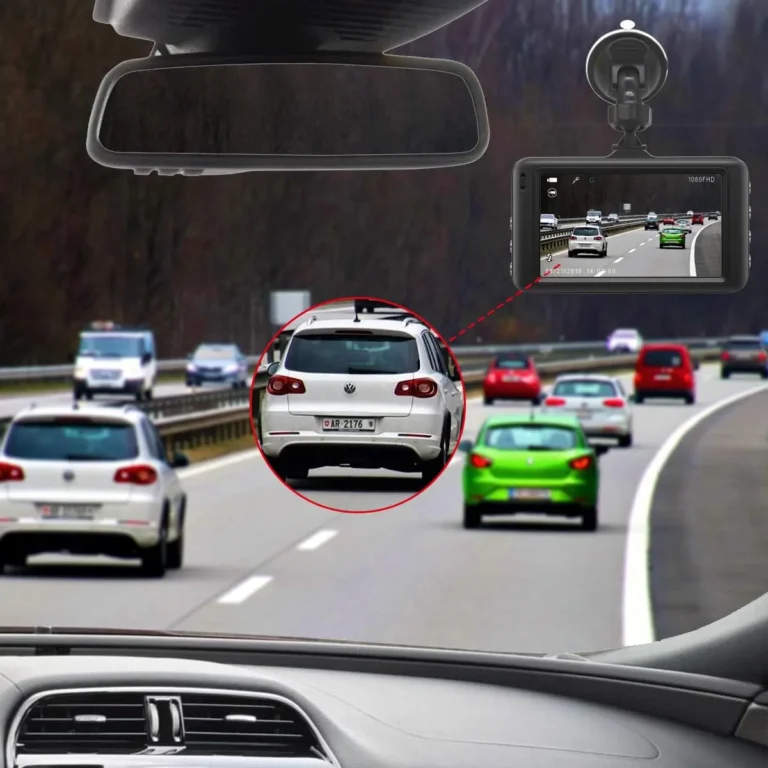
How to get police dash cam footage
If you're trying to figure out how to get police dash cam footage, the hardest part usually isn't the paperwork. It's the clock. Most police vehicles run their cameras on a rolling loop with a typical 30 to 60 second pre-event buffer, and many agencies overwrite footage within 30 to 180 days unless it's been flagged as evidence.
If you wait too long, the video simply disappears, and a denial letter won't bring it back.
We've handled dozens of these requests through research and legal filings. What we've seen over and over is that the people who succeed treat it like a time-sensitive legal process, not a casual information request. The exact path depends on whether you're a civilian, an attorney, or a journalist, and on whether your case is civil, criminal, or administrative.
Here's how it actually works in 2026.
Quick Answer
To get police dash cam footage, act fast and match your request to your role. Civilians file a public records request (FOIA or state equivalent) with the right agency. Attorneys use a subpoena or court order through formal discovery.
In every case, send an evidence preservation letter first so the footage isn't deleted before your request lands.
The Real Problem With Getting Police Dash Cam Footage
The biggest frustration isn't being told no. It's being told the camera "malfunctioned," was "never activated," or that the agency "no longer has" the recording. That outcome usually traces back to one of three things: a short retention window, no formal preservation request, or requesting from the wrong agency entirely.
Here's what the research shows from published DOJ and PERF guidance. Retention rules vary wildly. Some departments purge non-evidentiary dash cam video after just 30 days.
Others hold it for months. A handful keep it for years if tagged as evidence. There's no single federal standard, so the rules you face depend on your state and even your county.
The second problem is timing. Civilians often don't know they need the footage until months after the incident, when it's already gone. Attorneys know better, which is why they send a preservation letter on day one.
If you're not a lawyer, you're allowed to do the same thing. You just won't have a court's contempt power behind you if the agency ignores it.
The third problem is exemptions. Agencies will tell you the recording is part of an "ongoing investigation," involves "privacy interests," or falls under "personnel records." Sometimes that's legitimate. Often it's a reflex denial you can appeal.
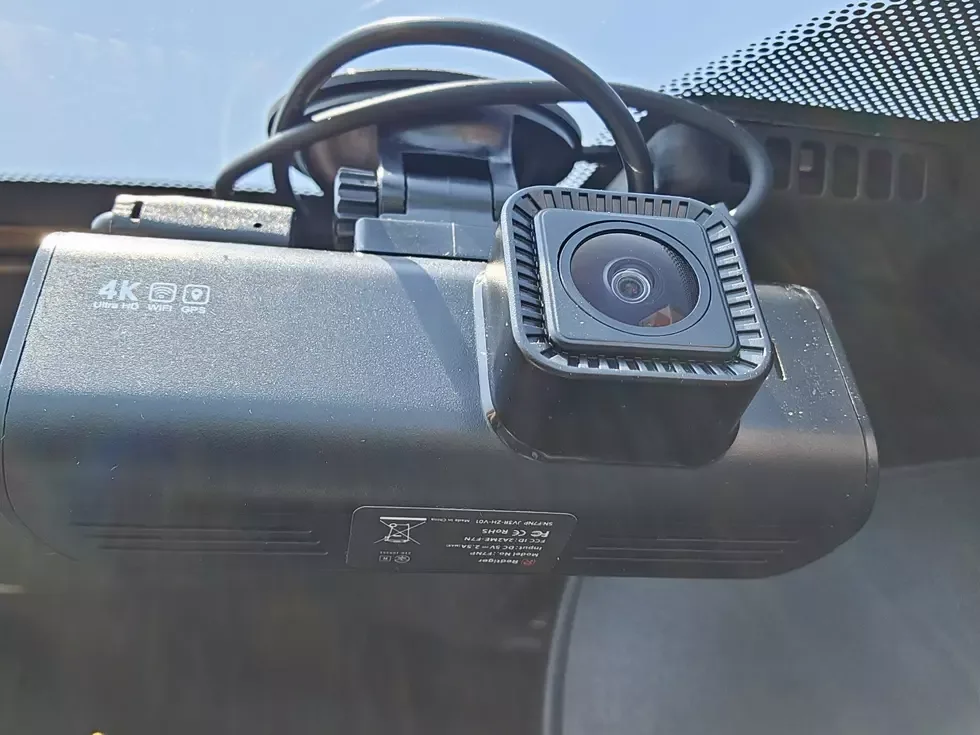
Who Can Request Footage, and Why It Matters
The legal channel you use depends entirely on who you are and what you're trying to do. Picking the wrong one wastes weeks.
Civilians (Drivers, Passengers, Bystanders)
If you were directly involved, you're entitled to most dash cam video under state law, with limited exceptions for privacy and active investigations. The catch: you usually have to ask, and the agency has no duty to volunteer it.
If you were a bystander, your rights are weaker. The agency can redact faces of uninvolved people and license plates. Some states let you request body cam too.
Others don't.
Attorneys (Personal Injury, Civil Rights, Criminal Defense)
Lawyers have more tools. They can issue a subpoena duces tecum in civil cases, file a motion to compel in criminal cases, or invoke Brady disclosure obligations. In federal civil cases, Rule 34 of the Federal Rules of Civil Procedure lets attorneys demand production of specific documents, including video evidence.
This route usually overrides agency objections about "ongoing investigations" because a court order trumps agency discretion.
Journalists and Researchers
Most states treat these requests like civilian ones, with a few twists. News organizations often get faster responses because agencies know delays create liability. Researchers studying policing patterns usually need to request data across many incidents, which means working in batches and appealing denials systematically.
What Police Dash Cam Footage Actually Is
Before you request anything, know what you're asking for. Dash cam footage isn't one thing. It's a stack of data, and agencies can give you some of it while technically withholding the rest.
Dash Cam vs. Body Cam: They're Not the Same
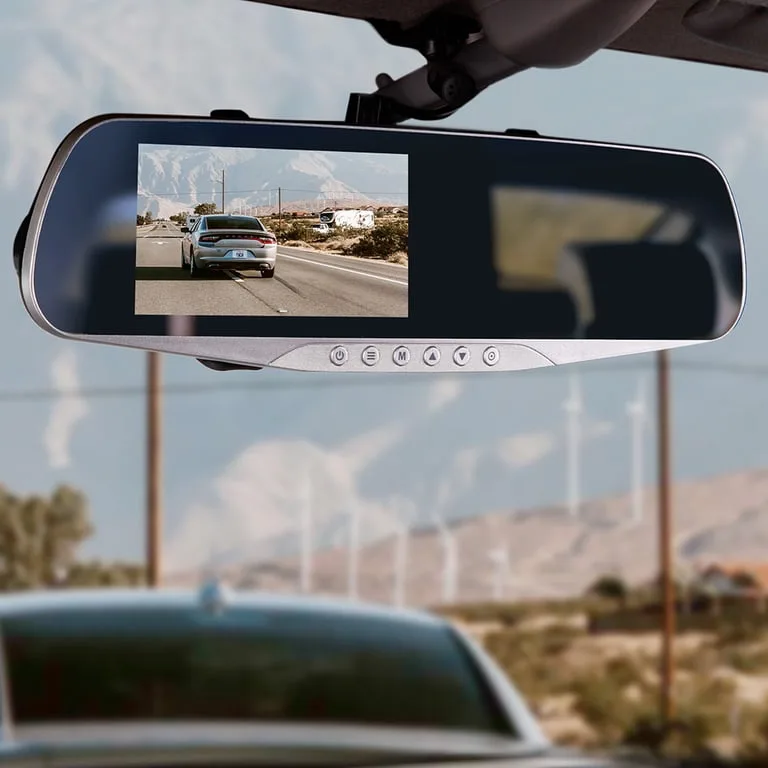
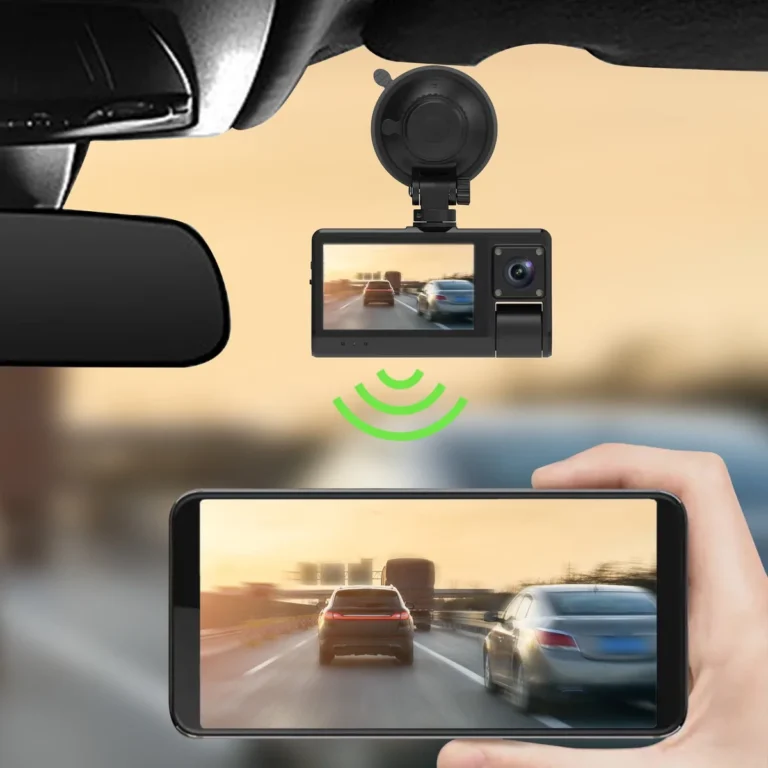
These two systems record different things, and they're treated as separate records in most states. Dash cam captures the road ahead and sometimes the back of the vehicle. Body cam captures the officer's view.
They have separate retention schedules, separate activation triggers, and sometimes separate FOIA exemptions.
If your incident involves officer conduct (a use of force, a stop, a search), you usually want both. If it involves a vehicle collision, dash cam is usually more important. If you're not sure, request both and let the agency sort it.
What's Recorded (Video, Audio, Metadata, GPS)
A modern police in-car video system captures far more than video. Standard components include:
- Forward-facing video (high definition in newer units)
- Rear-facing or prisoner compartment camera (optional)
- Audio recording, with officer-controlled mute capability
- GPS coordinates and speed
- Timestamps
- Officer and vehicle ID metadata
That metadata is often what wins or loses a case. A timestamp that doesn't match the officer's narrative, or GPS data showing the car wasn't where the report says it was, is gold in court.
Retention Periods: How Long It Actually Stays
This is the variable that kills most requests. Here's a typical breakdown:
| Category | Typical Retention | Notes |
|---|---|---|
| Non-evidentiary footage (routine stops) | 30 to 180 days | Most common; often overwritten on a rolling loop |
| Footage tagged as evidence | Indefinite (until case resolves) | Must be flagged manually by officer or supervisor |
| Footage from use-of-force incidents | 1 to 5 years minimum | Varies by state; Illinois requires at least 90 days even for non-evidentiary |
| Footage from pursuits or crashes | 6 months to 3 years | Many states mandate longer holds |
The takeaway: don't assume the footage is sitting in a vault somewhere. The default for most agencies is short-term storage on a rolling loop, with longer retention only if someone explicitly tagged it.
The Decision Tree: How to Get the Footage Based on Your Situation
This is where most guides go wrong. They give you a generic FOIA template and wish you luck. The right answer depends on your situation, and picking the wrong path costs you weeks or months.
Branch 1: You Were Involved in a Traffic Stop or Accident
If you're the driver or a passenger, file a public records request with the specific police department or sheriff's office involved. Include the date, time, location, officer name (if known), and any case or report number.
Then, immediately send a written preservation request (email and certified mail) telling them to preserve all dash cam and body cam footage related to the incident. State that you'll be pursuing a claim and need the footage held. This doesn't legally bind them, but it creates a paper trail and a spoliation argument later.
Most agencies will respond in 5 to 10 business days if state law requires it. Many won't. Be ready to appeal or escalate.
Branch 2: You're Filing an Insurance or Personal Injury Claim
Insurance companies handle this routinely. If you're working with an attorney, they'll issue a formal preservation letter within days of being retained, then a subpoena once a lawsuit is filed. Statute of limitations for personal injury claims runs typically 2 to 3 years depending on the state, but waiting that long means the footage is long gone.
If you're handling it without a lawyer, send the preservation letter yourself and request the footage through the agency's records division. Mention that the footage is relevant to an insurance claim and potential civil action. Agencies take this more seriously than a vague "I want to see the video."
Branch 3: You're Pursuing a Criminal Case or Police Misconduct Claim
This is where discovery comes in. Your defense attorney (or prosecutor, if you're the complainant seeking body cam in your own case) will formally request all video evidence through the discovery process. In Brady jurisdictions, the prosecution is required to disclose exculpatory evidence, including video that might support your version of events.
Federal guidance from the U.S. Department of Justice and the Police Executive Research Forum emphasizes that agencies must preserve evidence once a misconduct complaint is filed. The trick is that "preservation" only kicks in once someone has put the agency on notice.
Branch 4: You're Not Directly Involved (Journalist, Researcher, Bystander)
You can still file a public records request, but expect more resistance. Agencies have stronger grounds to deny or heavily redact footage that doesn't involve you directly.
The workaround is to be specific. Request footage tied to a documented event (a pursuit, a use-of-force incident reported in the news, a crash with a public report number). Broad requests for "all dash cam footage from last month" will get denied or ignored.
Narrow requests tied to a specific incident usually get a response.
Working with an attorney dramatically improves your chances here. A lawyer's letterhead signals litigation risk, and agencies respond faster.
Step-by-Step: Filing a FOIA or Public Records Request
Filing a public records request is the cheapest and most accessible route. It works best for civilians and journalists, and it requires zero attorney involvement.
Step 1: Identify the Right Agency and Case Number
Start with the agency that actually responded to the incident. A state trooper means your state's department of public safety. A county deputy means the sheriff's office.
A municipal officer means the city police department. Send the request to the wrong agency and you'll get a polite "we have no records" letter three weeks later.
If you have a case number, incident report number, or ticket number, include it. If you don't, give the date, approximate time, and location. The more specific, the faster they can find it.
Step 2: Verify the Footage Exists (And Isn't Already Gone)
Before you file the request, ask yourself: is the footage still in the system? If the incident happened more than 90 days ago and you didn't send a preservation letter, the answer is probably no.
You can't always confirm this in advance. Agencies won't tell you what they have until you ask. But if you suspect it's gone, your request will confirm the worst and let you pivot to other evidence (911 audio, dispatch logs, witness statements).
Step 3: Send an Evidence Preservation Letter First
This step is optional for FOIA, yet it changes your leverage dramatically. A short letter on paper (or email) that says "I am requesting that you preserve all dash cam and body cam footage related to [incident] for potential litigation" puts the agency on notice.
Once they're on notice, deleting the footage creates spoliation liability. Courts have sanctioned departments, paid damages, and dismissed cases based on lost video evidence. Knowing that, agencies get careful when there's a written trail.
Step 4: Submit the Public Records Request
Every state has its own form or process. Some agencies use online portals. Others require mailed letters.
Include:
- Your contact information
- The date, time, and location of the incident
- The case or report number (if known)
- A clear description of the records you want (dash cam video, audio, metadata)
- A statement that you're willing to pay reasonable copying fees
Most states require a response within 5 to 10 business days. Many agencies ignore that timeline in practice.
Step 5: Follow Up Without Being a Nuisance
If you don't hear back in 10 days, follow up once with a short email referencing your original request and asking for a status update. If you still get silence, that's when you escalate to the state attorney general's office or consider a lawsuit.
Don't call every day. Don't show up at the station. Documented, professional follow-up wins.
Harassment loses.
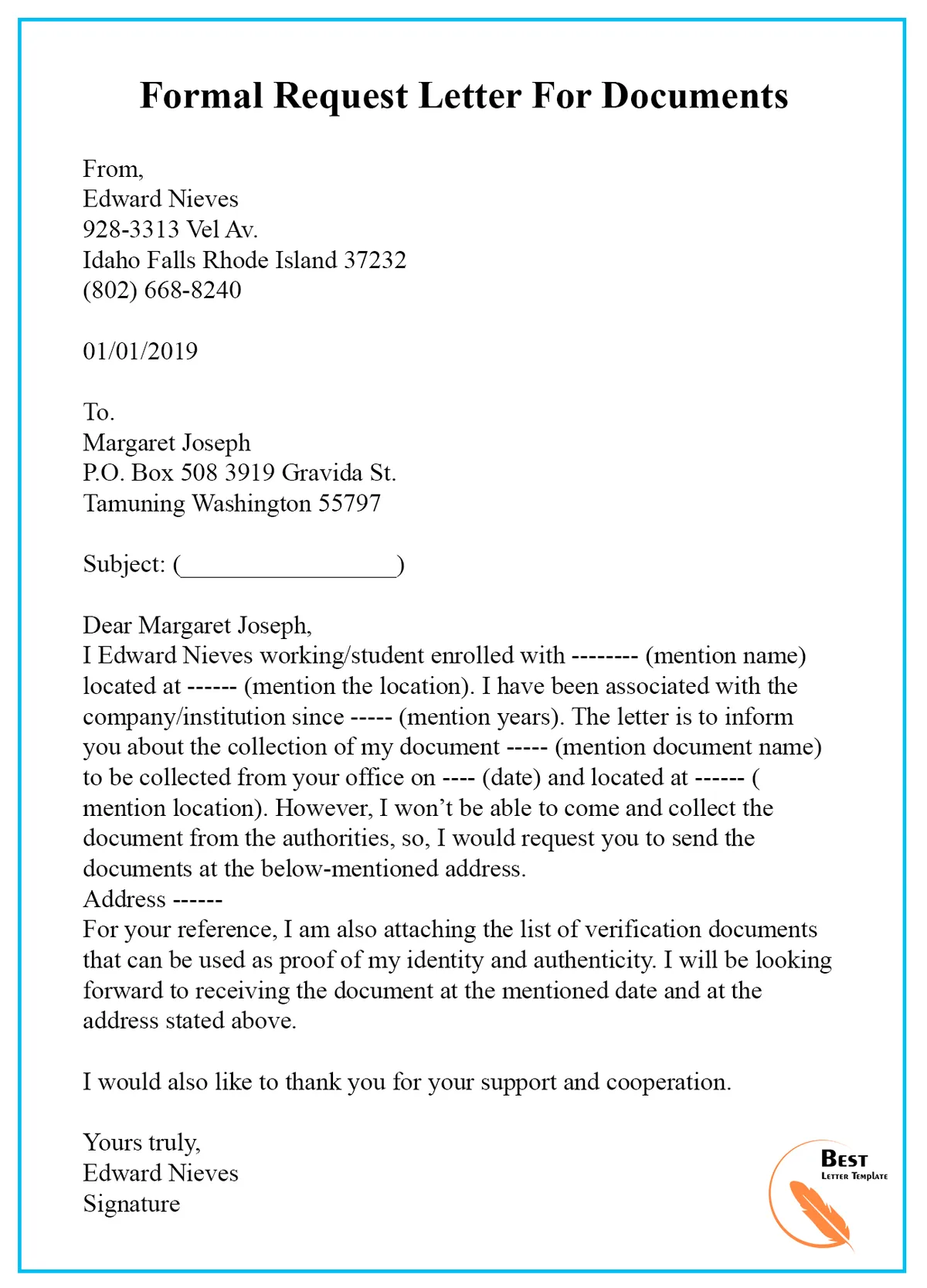
Step-by-Step: Using a Subpoena or Court Order
When FOIA isn't enough (or you need it faster, or the agency is stonewalling), the legal system has tools that work.
When a FOIA Request Isn't Enough
A subpoena duces tecum is a court order compelling someone to produce documents or evidence. In civil cases, attorneys issue them after a lawsuit is filed. In criminal cases, defense attorneys can subpoena evidence held by third parties, though getting police department records usually requires a court motion.
If the agency claims an exemption, claims no records exist, or simply ignores your request, a subpoena cuts through it. They can't refuse a valid court order without risking contempt.
How Civil Discovery (FRCP 34) Works
In federal civil cases, Rule 34 of the Federal Rules of Civil Procedure lets parties request production of specific evidence. In state civil cases, parallel rules apply. Once litigation begins, you can demand:
- All dash cam and body cam footage
- All related audio recordings
- GPS and metadata logs
- Officer training records (in some cases)
- Internal affairs investigation files (in narrow circumstances)
The discovery process has teeth. If the agency fails to produce what exists, the court can impose sanctions, including fines and adverse inference instructions at trial.
Criminal Discovery and Brady Disclosure
If you're a criminal defendant, your attorney can move for discovery of all video evidence in the prosecution's possession. Under Brady v. Maryland, the prosecution must turn over exculpatory evidence.
Video that contradicts an officer's testimony or shows conduct inconsistent with probable cause qualifies as Brady material. Failure to disclose is grounds for appeal.
The tricky part is timing. Defense attorneys often don't see video until late in discovery, which can leave no time to build a defense around it. That's why experienced criminal lawyers file preservation requests at the very first court appearance.

What to Do If the Agency Denies Your Request
Denials aren't the end of the road. Most are reversible if you know where to push.
Common Exemptions They Cite (And How to Push Back)
The exemptions that come up most often:
- Ongoing investigation: This is overused. Once an investigation is closed, the exemption usually evaporates. Ask for the date the investigation closed.
- Privacy interests: Applies to bystanders and uninvolved people. The fix is redaction, not full denial.
- Personnel records: These are governed by separate civil service laws in most states. They're harder to crack, yet dash cam footage is usually not a "personnel record."
- Public safety: Rarely holds. Agencies can't withhold evidence of a public incident just because disclosure might be embarrassing.
A well-crafted appeal letter that cites the specific state statute and argues why it doesn't apply often gets results. Generic "please reconsider" letters don't.
Appealing a Denial
Most states have a formal appeal process. In California, you appeal to the district attorney or a superior court. In New York, you can appeal to the Committee on Open Government.
In Texas, the attorney general issues binding opinions on Public Information Act disputes.
Filing an appeal usually costs nothing or a small filing fee. It can take weeks to months. It's worth it when the footage matters.
Suing for Access When All Else Fails
When informal appeals fail, the next step is a "writ of mandamus" or declaratory judgment action asking a court to order release. These lawsuits are fast (often resolved in 30 to 60 days) and relatively cheap. Some attorneys handle them on contingency or for flat fees in the $1,500 to $5,000 range.
If the footage is critical to a larger case (personal injury, criminal defense, civil rights), the lawsuit cost is a rounding error.
Mistakes That Get Your Request Denied or Footage Deleted
We've seen the same five errors sink requests over and over. Avoid these and you're ahead of most filers.
Waiting Too Long (The Retention Window Trap)
This is the killer. If you wait 60 days to send a preservation letter and the agency's retention is 30 days, you lose. Send the preservation request within 48 hours of the incident whenever possible.
Requesting the Wrong Agency
The highway patrol doesn't have city police footage. The city police don't have county sheriff footage. Sending to the wrong department guarantees a polite rejection and burns 30 days.
Skipping the Preservation Letter
Filing a FOIA without first asking the agency to preserve the footage is leaving the outcome to chance. The FOIA might succeed two months later, but by then the video is gone. Always preserve first, request second.
Letting the Clock Get Off
Statutes of limitations for related legal claims (personal injury, civil rights, wrongful death) are typically 2 to 3 years. FOIA response deadlines vary by state, often 5 to 10 business days. Discovery deadlines in active lawsuits are tight.
Keep all of these on a calendar. Missing one means losing leverage.
Costs, Timelines, and What to Expect
The good news: this doesn't have to be expensive.
Filing Fees and Copying Costs
Most FOIA requests cost nothing to file. Copying fees vary:
- Electronic delivery (DVD, USB, cloud link): $0 to $25
- Paper copies: $0.10 to $0.50 per page
- Video redaction fees: $25 to $100 per hour of work in some states
- Subpoena filing fees: $30 to $100 depending on jurisdiction
If the agency quotes a redaction fee over $500, ask for an itemized estimate. Excessive fees can be challenged.
Typical Response Times by State
| State | Statutory Deadline | Typical Actual Response |
|---|---|---|
| California (CPRA) | 10 days | 10 to 30 days |
| Texas (PIA) | 10 business days | 10 to 45 days |
| New York (FOIL) | 5 business days | 5 to 60 days |
| Florida | Reasonable time | 2 to 8 weeks |
| Illinois (FOIA) | 5 business days | 5 to 21 days |
A "deadline" on paper and a real-world response are very different animals. Plan for twice the statutory window.
Attorney Fees vs. DIY Requests
DIY requests work for simple situations (you were the driver, the agency is responsive, the footage is clearly within retention). They don't work when the agency pushes back or when the case has legal complexity.
Attorney involvement typically adds $500 to $3,000 for a basic records request. It adds $3,000 to $10,000+ if litigation becomes necessary. Weigh that against the value of the footage to your case.
If a dash cam video proves you weren't at fault in a six-figure injury claim, the math is obvious.
State-by-State Differences You Should Know
Public records law is state-specific, and that matters here. Some states make this easy. Others make it a fight.
States with strong access laws include California, New York, Illinois, and Texas. They have clear deadlines, narrow exemptions, and binding attorney general opinions. States with weaker access include parts of the Southeast and several Midwestern states, where exemptions are broader and enforcement is slower.
Retention requirements also vary. Illinois requires a 90-day minimum hold for non-evidentiary footage. Colorado mandates five years for any recording associated with a use-of-force incident.
Many states have no minimum at all, leaving agencies to set their own policies.
Expert Tips From People Who Actually Get This Footage
A few patterns that show up across successful requests:
- Send the preservation letter before you even hire a lawyer. It costs a stamp and a few minutes.
- Always request both dash cam and body cam, plus dispatch audio. The footage that wins your case is often not the one you expected.
- Reference the specific state statute in your request letter. It signals you know the law.
- If you go through an attorney, ask whether they use a records retrieval service. They know which agencies respond and which ones stall.
- Treat denials as the start of the process, not the end.
Frequently Asked Questions
How long do police departments keep dash cam footage?
Most agencies keep non-evidentiary footage for 30 to 180 days. Evidence-tagged recordings are held until the case closes. Some states set minimum retention periods (Illinois requires 90 days; Colorado requires 5 years for certain use-of-force footage).
There's no single national standard.
Can I get dash cam footage without a lawyer?
Yes. File a FOIA or state public records request with the right agency. Include date, time, location, and case number if you have one.
Send a preservation letter first so the footage isn't deleted before your request is processed.
What if the agency says the footage doesn't exist?
First, ask for written confirmation. Then ask whether the camera was activated, and whether any internal logs show its status. If they claim malfunction, request maintenance records for that camera.
"Missing" footage often exists; it just wasn't preserved.
How much does it cost to get dash cam footage?
Most requests cost nothing to file. Copying fees range from $0 to $100. Redaction fees in some states run $25 to $100 per hour.
Subpoena filing fees are $30 to $100. Attorney involvement adds $500 to $3,000+ depending on complexity.
Can police refuse to release dash cam video?
Yes, under certain exemptions: ongoing investigations, juvenile records, privacy interests of bystanders, or personnel matters. Denials are appealable in every state, and many are reversible when you cite the specific statute and argue it doesn't apply.
What's the difference between dash cam and body cam footage for requests?
Dash cam records the road. Body cam records the officer. They're separate systems with separate retention schedules and separate FOIA treatment.
If your incident involves officer conduct, request both. If it involves a crash, dash cam is usually primary.
The Bottom Line: What to Do Right Now
Act today, not next week. Send a written preservation letter to the right agency by email and certified mail. Then file your public records request with the case number, date, time, and location.
If the agency pushes back or the footage is critical to a claim, get an attorney involved within days, not months.
The clock is the enemy. Everything else is paperwork.