How long to keep car on after jump start: Easy guide
If your car just got jump started and you're sitting in the driveway wondering whether to shut it off, you're not alone. The question of how long to keep car on after jump start trips up almost every driver at some point, because the answer nobody gives you in the moment is the honest one: it depends. The condition of your battery, the weather, and what you do next all matter more than a single magic number.
A healthy alternator pushes out roughly 13.5 to 14.5 volts while the engine is running, which is what actually recharges your battery after a jump. As of 2026, manufacturer guidance and AAA roadside resources still point to roughly 20 to 30 minutes of driving (or a longer idle) as the practical minimum to put enough juice back in for a safe restart. Let's break that down so you know exactly what to do once the cables come off.

Quick Answer
Keep your car running for 20 to 30 minutes of driving, or 30 to 60 minutes of idling, after a jump start. Drive when you can, since your alternator charges faster at higher RPMs. Cold weather, an older battery, or a deeply discharged battery all push that time longer.
The Short Answer: It Depends on These 3 Things
There's no single right number because three variables decide your actual recharge time:
- Battery condition. A battery that died because you left the headlights on (a shallow discharge) recovers fast. A battery that's been slowly dying for weeks (a deep discharge) needs much longer.
- Age of the battery. Anything past 4 years is on borrowed time. Older batteries accept a charge slower and hold less of it.
- Weather. Cold cranking reduces charge acceptance. Below freezing, your battery may need twice as much runtime to recover what it lost.
| Situation | Minimum Drive Time | Minimum Idle Time |
|---|---|---|
| Mild weather, recent/healthy battery | 20 minutes | 30 minutes |
| Cold weather (below 32°F / 0°C) | 30–40 minutes | 45–60 minutes |
| Battery 4+ years old or deeply discharged | 30–45 minutes, then test | 60+ minutes, then test |
If you're in a hurry and the weather is warm, 20 minutes of driving will usually get you home. If it's the dead of winter and your battery is older, plan on closer to 45 minutes before you trust an engine shutdown.
Why Your Battery Needs More Than a Quick Jump
A jump start only does one job. It gives your starter enough cranking amps to turn the engine over. It does not fully recharge your battery.
That part is your alternator's job, and the alternator works slowly, especially at idle.
Here's the rough math behind it. A typical car battery holds around 50 amp-hours. Jump starting it pulls maybe 5 to 15% back.
The rest has to come from the alternator over the next 20 to 60 minutes of driving. If you shut the engine off too soon, you risk a no-start the next time you turn the key.
Think of a jump start like splashing gas into a lawn mower tank. You need a real fill-up afterward, or you'll be pushing it again tomorrow.
Idling vs. Driving After a Jump: Which Actually Charges Faster
Driving wins. Every time. Here's why:
- At idle (~700 RPM), a healthy alternator produces around 30 to 50 amps, but a chunk of that powers your ignition, fuel pump, lights, and HVAC. Net charging to the battery is modest.
- At 1500 to 2000 RPM (normal driving speed), alternator output climbs to 60 to 80+ amps, and you're still powering the car's systems. Net battery charging roughly doubles.
- At highway speed (~2500 RPM), you get the fastest recharge. Most of the alternator's output goes to the battery.
Per industry testing standards cited by SAE (Society of Automotive Engineers), charge acceptance scales nearly linearly with alternator RPM in this range. That's why mechanics say "drive it, don't idle it" after a jump.
| Method | Approx. Charge Rate | Time to Restore ~50% Capacity |
|---|---|---|
| Idling in park | Low | 60+ minutes |
| Stop-and-go city driving | Medium | 30–40 minutes |
| Highway driving | High | 20–25 minutes |
If the only safe option is to idle (stuck in a parking lot, no safe route, etc.), it's better than nothing. Just know you'll need more time.
How Long to Drive After a Jump Start (By Situation)
Your exact drive time depends on why the battery died in the first place. Let's walk through the three most common scenarios.
Cold Weather and a Weak Battery
Cold is brutal on lead-acid batteries. Below freezing, a battery loses 30 to 40% of its cranking power. It also accepts a charge more slowly, so even though your alternator is working hard, less of that energy sticks to the plates.
Rule of thumb: Drive at least 30 to 40 minutes in cold weather before shutting off. If temperatures are below 20°F (-7°C), go closer to 45 minutes.
Highway driving helps more than ever here because the alternator needs the RPMs to push enough current through a sluggish battery. Avoid short trips for the next few days, since the battery won't fully recover in one session when it's that cold.
Warm Weather with a Partially Drained Battery
You left the dome light on overnight. The battery was full when you parked. This is the easiest case.
Rule of thumb: 20 minutes of driving, or 30 minutes of idling, is enough to put enough charge back for a safe restart. You don't need to drive for an hour.
Still, take it easy on accessories right after. Skip the seat heaters, the rear defrost, and blasting the AC at full power. Every electronic drawdown pulls amps away from the recharge.
Older Battery (4+ Years) That May Not Hold a Charge
This is the scenario where drivers get stranded twice. Once on the original jump, and again the next morning. If yours is 4 or more years old, give it longer to charge (30 to 45 minutes of driving), and then get it tested before you trust it.
Most major auto parts stores run a free battery load test. The test takes 5 minutes and tells you whether the battery is worth saving or needs replacing. We've found this is the single most useful step after any jump start on an older battery.
If the battery fails the load test, no amount of driving will fix it. Replace it. Continuing to nurse a dead battery can overwork your alternator and shorten its life too.
How Long to Let Your Car Idle After a Jump Start
If driving isn't an option (broken-down at a curb, no safe route, parking garage with nowhere to go), idling works, just slower. Plan on 30 minutes minimum for a recent battery in mild weather, and 60 minutes or more if it's cold or the battery is on its last legs.
The reason idling is slower comes down to physics. At idle, the alternator spins just fast enough to power the vehicle's electronics, leaving only a modest surplus for the battery. That surplus can be 5 to 15 amps in a typical setup, which is plenty for slow recovery, but it's a slow drip rather than a fast pour.
A practical workaround if you're stuck idling: gently press the gas pedal to raise RPMs to about 1500 for a minute or two at a time. This speeds the charge rate without straining the engine. Don't redline it.
Don't rev past 2000 RPM. More on that in a minute.
What Your Alternator Does (And Why RPMs Matter)
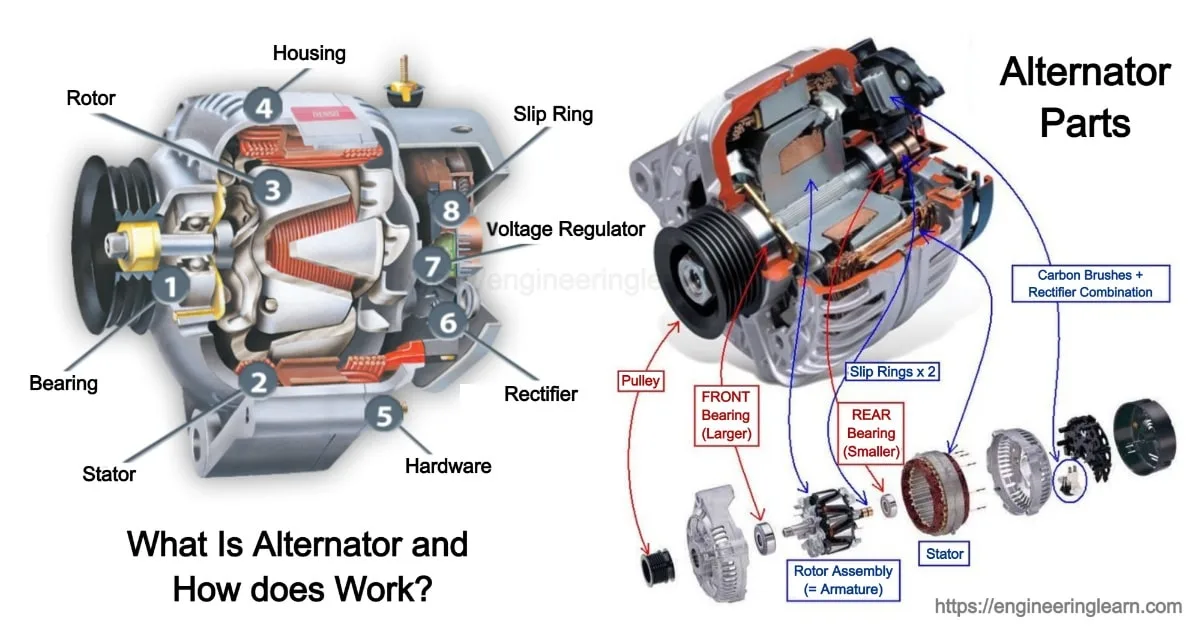
Your alternator is a generator driven by a belt connected to your crankshaft. Spin the alternator faster, and it produces more current. That's the whole story behind why driving charges your battery faster than idling.
A healthy alternator puts out around 13.5 to 14.5 volts when the engine is running. That voltage is what pushes current back into the battery. As of 2026, most modern cars use a "smart alternator" that varies output based on engine load, battery state of charge, and electrical demand.
Smart alternators can drop output at idle to save fuel, which makes idle charging even less effective than it was on older vehicles.
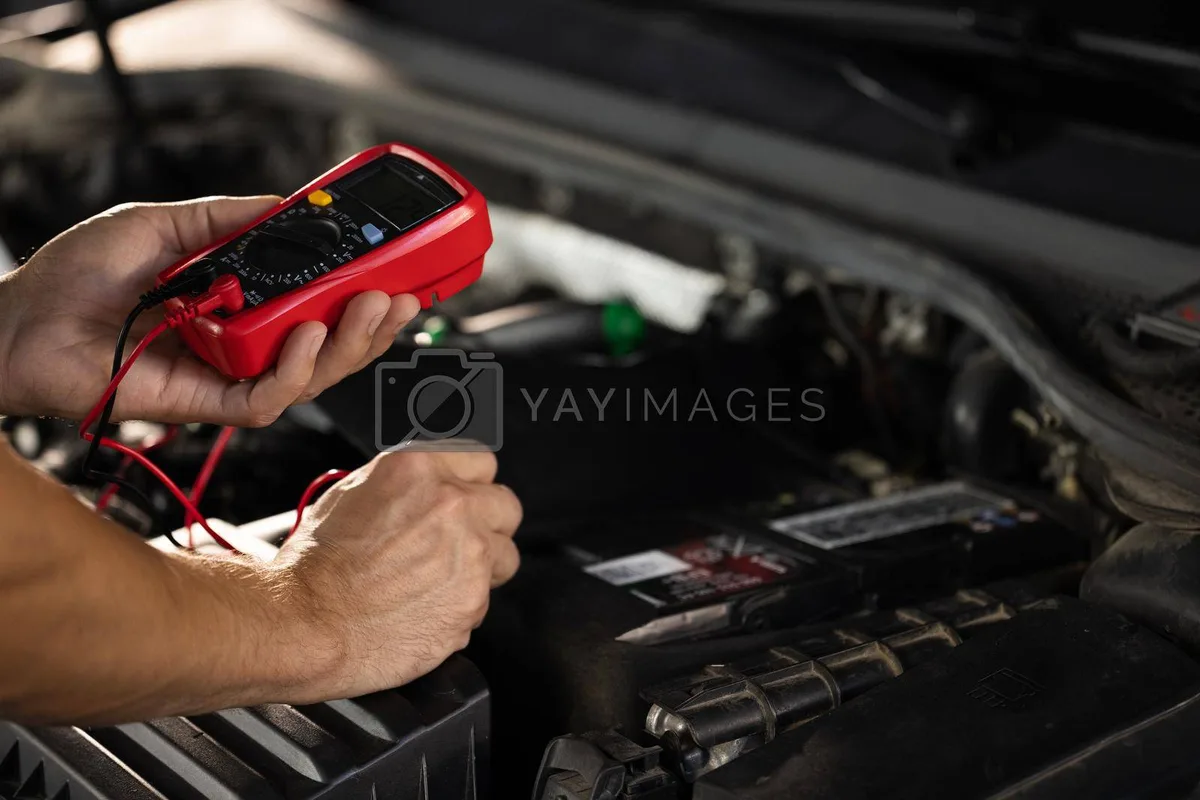
If you want to confirm your alternator is actually charging, watch the voltmeter on your dash (most cars have one) or check the battery voltage with a multimeter while the engine is running. You should see 13.7 to 14.7 volts. If you see 12.0 to 12.5 volts with the engine running, the alternator isn't charging, and no amount of waiting will fix the battery.
Can You Turn Off the Engine Right After Jump Starting?
Don't. If you shut the engine off immediately after a jump start, the battery still only has a fraction of its charge. Your next crank will likely be a no-start, especially in cold weather.
There's a related myth that you should leave the jumped car running and disconnect the donor car immediately. That's mostly true for the donor (running it longer doesn't help the dead car much), but the jumped car absolutely needs to keep running.
The only exception: if you're about to drive somewhere right away and your route takes at least 20 minutes. In that case, shutting off briefly to switch drivers or reposition the vehicle is okay if you keep total downtime under a minute. Otherwise, let it idle.
Revving the Engine After a Jump: Helpful or Harmful?
Light revving helps. Aggressive revving can hurt.
Here's the split:
- Light revving (1500 RPM for short bursts) speeds up alternator output and helps the battery accept a charge faster. This is what most mechanics recommend.
- Heavy revving (2500+ RPM, especially right after a jump) can spike voltage and current. On older cars this was fine. On modern cars with sensitive ECUs, infotainment systems, and sensors, sustained high revs during a freshly jump-started state can occasionally trigger warning lights or, in rare cases, damage voltage-sensitive components.
The safe play is to drive gently for the first 10 minutes after a jump start. Avoid hard acceleration. Let the alternator stabilize at cruising RPMs.
Then drive normally.
If you're idling, briefly blipping the throttle to 1500 RPM once or twice is fine. Sitting at the engine and revving it to 3000 RPM for minutes at a time, on the other hand, is unnecessary and adds wear to a freshly loaded engine.
Step-by-Step: What To Do Right After a Successful Jump Start
Once the dead car is running and the cables are off, here's the exact sequence to follow:
- Leave the jumped car running. Don't shut it off.
- Turn off high-draw accessories. Radio, AC, heated seats, rear defrost, phone chargers. Every amp matters in the first 20 minutes.
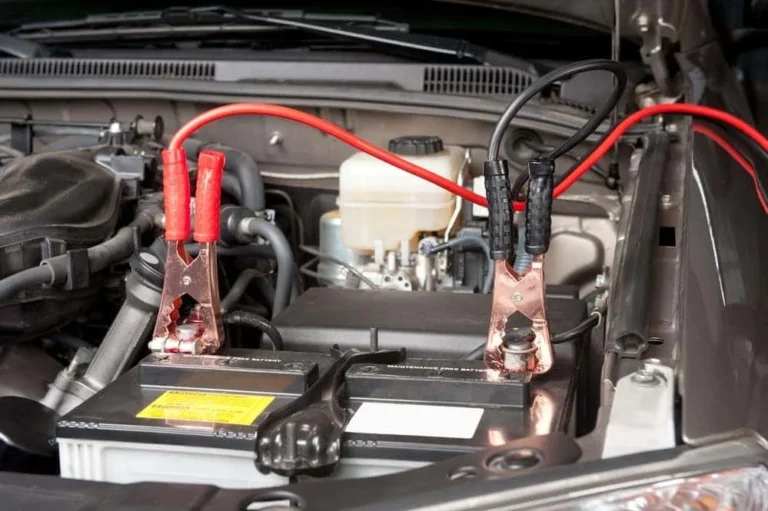
- Disconnect the jumper cables in reverse order. Negative on the jumped car first, then negative on the donor, then positive on the donor, then positive on the jumped car.
- Drive for at least 20 minutes (warm weather) or 30 to 45 minutes (cold weather). Highway is best, but any sustained driving works.
- Watch for warning lights. If the battery light, check engine light, or any unusual indicator stays on, head to a mechanic. The alternator may not be charging.
- Re-test the battery within 24 hours. Either drive to an auto parts store for a free load test, or use a multimeter at home to check resting voltage (should be 12.4 to 12.6V after sitting overnight).
That last step is the one most people skip, and it's the step that prevents the next dead-battery morning.
How to Know If Your Battery Is Actually Holding the Charge
A jump start can mask a dying battery. The car runs fine for days, then dies again. The way to catch this before it strands you is a simple resting voltage check, done about an hour or more after the engine has been off.
Here's the test. Set a multimeter to DC volts. Touch the red probe to the positive terminal and the black probe to the negative terminal.
A healthy, fully charged battery reads 12.6 volts or higher. A reading between 12.0 and 12.4 volts means the charge is partial, often caused by a short trip or a weak battery. Anything below 12.0 volts means the battery is either deeply discharged (and may need a real charger, not just the alternator) or it's failing.
For a more reliable check, leave the car sitting overnight, then measure again. A healthy battery loses less than 0.1 volts overnight. If it drops below 12.4 volts after resting, the battery is on its way out.
Common Mistakes That Kill Your Battery After a Jump
Most repeat jump-starts aren't bad luck. They're preventable mistakes.
- Shutting off the engine too soon. You need at least 20 minutes of driving, not 5 minutes of idling and a coffee stop.
- Running every accessory at full blast. Heated seats, defrost, and a phone charger all steal amps from the recharge.
- Skipping the load test. A free 5-minute test at an auto parts store catches a dying battery before it strands you.
- Repeatedly jump starting a battery that won't hold a charge. Each failed jump deepens the discharge and shortens battery life.
- Loose or corroded battery terminals. Even a great charge won't help if the connection is dirty. A quick scrub with a wire brush fixes it.
- Ignoring the alternator. If the alternator itself is failing, no amount of driving will recharge the battery.
Signs the Real Problem Is Your Alternator, Not the Battery
A bad alternator can mimic a dead battery. Jump starting a car with a failed alternator gets you going for a few minutes, then the car dies again because nothing is recharging the battery.
Watch for these signs:
- Battery light stays on while driving. This is the most obvious signal. The alternator isn't charging.
- Dimming or flickering headlights, especially at idle. A weak alternator can't keep up with electrical demand.
- Voltage reading below 13.5 volts with the engine running. Healthy is 13.7 to 14.7 volts.
- Strange electrical behavior. Power windows slow, radio resets, dashboard lights flicker. These all point to inconsistent voltage from the alternator.
- Battery keeps dying even after long drives. The alternator isn't putting back what the car uses.
If two or more of these show up after a jump start, head to a mechanic. Per manufacturer diagnostic procedures (outlined in service manuals for major brands like Ford, Toyota, and GM), an alternator output test confirms the failure in minutes.
When to Stop Trying and Call a Mechanic
Sometimes the right move is to stop and call for help, not keep trying to nurse the car along.
Call a mobile mechanic or roadside service if:
- The car dies again within an hour of a successful jump start.
- The battery is visibly swollen, cracked, or leaking.
- You smell rotten eggs (sulfur) under the hood. That's a sign of a battery venting gas or an electrical short.
- The dashboard lights up with multiple warnings after the jump.
- You don't have jumper cables or a portable jump starter, and no one nearby can help.
For most drivers, AAA membership or a portable jump starter covers the gap. But if your car is showing signs of alternator failure or a battery that won't hold a charge, a tow to a shop is cheaper than a second or third roadside incident.
Portable Jump Starter vs. Jumper Cables: Does It Change the Timing?
The post-jump protocol is identical either way. The only thing that changes is how you got the engine running. Once it's running, the alternator takes over regardless of the method.
That said, portable jump starters have a real practical edge. They let you drive away without needing a second vehicle, which means you can head straight onto the highway for a 30-minute charge. With traditional jumper cables, you're more likely to be stuck in a parking lot or driveway where idling is the only option.
If you jump start often, carry a lithium portable jump starter rated for your engine size (1000 to 2000 peak amps covers most cars and SUVs). Charge it every 3 to 6 months, and it'll be ready when you need it.
Jump Starting a Hybrid or Modern ECU-Heavy Car: What's Different
Hybrids and modern cars with sensitive electronics follow mostly the same rules, but with one important caveat. Always check the owner's manual before jump starting. Some manufacturers (notably Toyota hybrids and certain luxury brands) have specific jump point locations, and a few forbid jump starting from another running vehicle entirely.
For most modern cars (2010 and newer), the jump process is identical: red to positive, black to a grounded metal surface on the dead car, never the negative terminal. The post-jump timing is the same too. Plan on 20 to 30 minutes of driving.
The difference is risk. Newer cars with start-stop systems, infotainment, and multiple ECUs can throw warning lights if voltage spikes during the jump. If that happens, drive for 15 to 20 minutes and check whether the lights clear.
If they don't, a dealership scan clears them. Per Toyota's hybrid jump-start guidance, the 12V auxiliary battery in hybrids is jump-started the same way, but the high-voltage system stays off and untouched.
Frequently Asked Questions
Can I drive immediately after a jump start?
Yes. Driving is actually better than idling because the alternator charges faster at driving RPMs. Just drive for at least 20 minutes before shutting off.
Is idling the car for 10 minutes enough after a jump?
Usually not. Ten minutes of idling barely puts 5 to 10% back into a deeply discharged battery. Go at least 30 minutes of idle, or 20 minutes of driving, for a safe restart.
Should I rev the engine after a jump start?
Light revving to 1500 RPM for short bursts helps. Avoid aggressive revving above 2000 RPM, especially on modern cars with sensitive electronics.
Why does my car keep dying after a jump start?
Either the battery is too old to hold a charge, the alternator isn't charging, or there's a parasitic drain killing the battery overnight. A free battery load test catches the first one. A mechanic checks the second and third.
Can a jump start damage my car?
Rarely, but possible. Reverse polarity (mixing up positive and negative) can fry the alternator, ECU, and wiring. Modern cars with sensitive electronics are more vulnerable to voltage spikes.
Always connect red-to-positive, black-to-ground.
How long should I wait before replacing my battery after a jump start?
Don't wait. If the battery needed a jump and is more than 3 years old, get it load tested within a few days. Replace it if it fails the test, since it's about to leave you stranded anyway.
The Bottom Line: A Simple Rule You Can Follow
Drive for 20 to 30 minutes after a jump start in normal conditions. Add 10 to 15 minutes for cold weather, older batteries, or deeply discharged situations. Idle only as a last resort, and budget at least 30 to 60 minutes if you do.
Then get the battery tested. A free 5-minute load test at any major auto parts store tells you whether you just had a one-off accident or whether a replacement is around the corner. That single step separates drivers who deal with one jump start every few years from drivers who deal with one every few months.