What dash cam do police use: Easy Guide
If you've ever wondered what dash cam do police use when they're pulling over speeders or chasing a suspect, here's the straight answer. U.S. patrol fleets don't run off-the-shelf consumer cameras. They use purpose-built in-car video systems built to survive 12-hour shifts, write to tamper-resistant storage, and hold up as evidence in court.
Most departments standardized on commercial-grade units like the WatchGuard DV-1 and the Axon Fleet 3. These aren't just cameras. They're complete evidence-capture systems with encrypted storage, GPS tagging, and tight integration with body-worn cameras and records software.
We'll walk through exactly which models departments run, how the hardware differs from a $200 consumer dash cam, and what it actually costs to outfit one cruiser.
Quick Answer
Most U.S. police agencies use commercial in-car video systems, not consumer dash cams. The two market leaders are the WatchGuard DV-1 (now owned by Motorola Solutions) and the Axon Fleet 3. Both record in 1080p or higher, use encrypted tamper-resistant storage, and integrate with body-worn cameras.
Pricing per vehicle typically runs $3,500 to $6,500 installed. Smaller departments sometimes run Getac, Coban, or Digital Ally units.
Why "Police-Grade" Dash Cams Aren't Just Marketing Hype
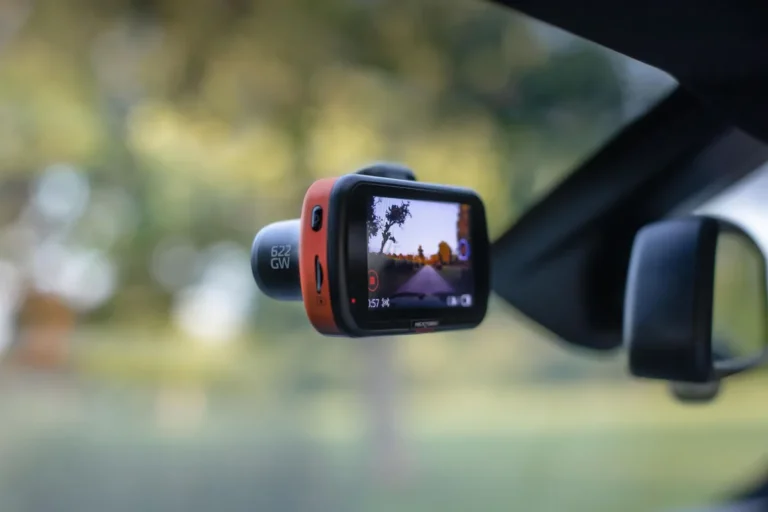
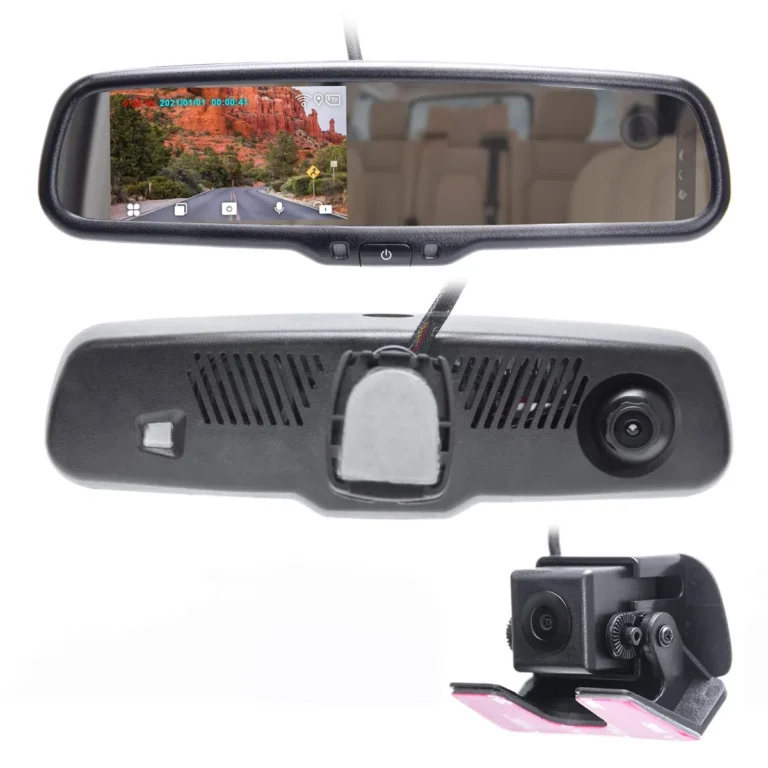
The dash cams in police cruisers look similar to the one you might stick on your own windshield. They're not. A consumer dash cam records for your protection in a crash.
A police in-car video system (ICVR) records for the court system.
That difference drives everything else. Police units have to capture forensic-grade footage, secure it against tampering, tag it with officer ID and GPS coordinates, and upload it to a central evidence management system. The footage often becomes the deciding factor in use-of-force cases, wrongful-arrest lawsuits, and traffic-stop disputes.
In our research across manufacturer catalogs and department procurement records as of 2026, three vendors dominate U.S. law enforcement: Motorola Solutions (WatchGuard), Axon, and a cluster of mid-tier suppliers including Getac, Coban, and Digital Ally. Consumer brands like Garmin, Thinkware, and BlackVue occasionally show up in unmarked volunteer units or auxiliary fleets, but they don't meet evidentiary standards for primary patrol use.
The Top In-Car Video Systems in U.S. Law Enforcement
Four vendors cover roughly 80% of the U.S. patrol fleet market.
| Vendor / Model | Market Position | Typical Use Case | Approx. Per-Vehicle Cost |
|---|---|---|---|
| WatchGuard DV-1 (Motorola Solutions) | Most widely deployed | State police, county sheriffs, mid-to-large municipal PDs | $3,500 to $5,500 |
| Axon Fleet 3 | Fast-growing, cloud-first | Large municipal departments, agencies already on Axon body cams | $4,000 to $6,500 |
| Getac (formerly Visual Computing) | Mid-market specialty | Corrections, transport, agencies wanting rugged hardware | $3,000 to $5,000 |
| Coban Technologies | Budget-conscious fleets | Smaller departments, federal agencies | $2,500 to $4,500 |
| Kustom Signals Eyewitness HD | Niche / specialty | Traffic enforcement units | $3,200 to $5,000 |
| Digital Ally DVM-800 Plus | Legacy / replacement | Departments migrating from older systems | $2,800 to $4,200 |
The numbers come from aggregate procurement records and vendor published pricing as of 2026. Actual quotes vary based on installation, multi-year contracts, and cloud-storage subscriptions.
WatchGuard DV-1 (Motorola Solutions): The Workhorse of Most Patrol Fleets
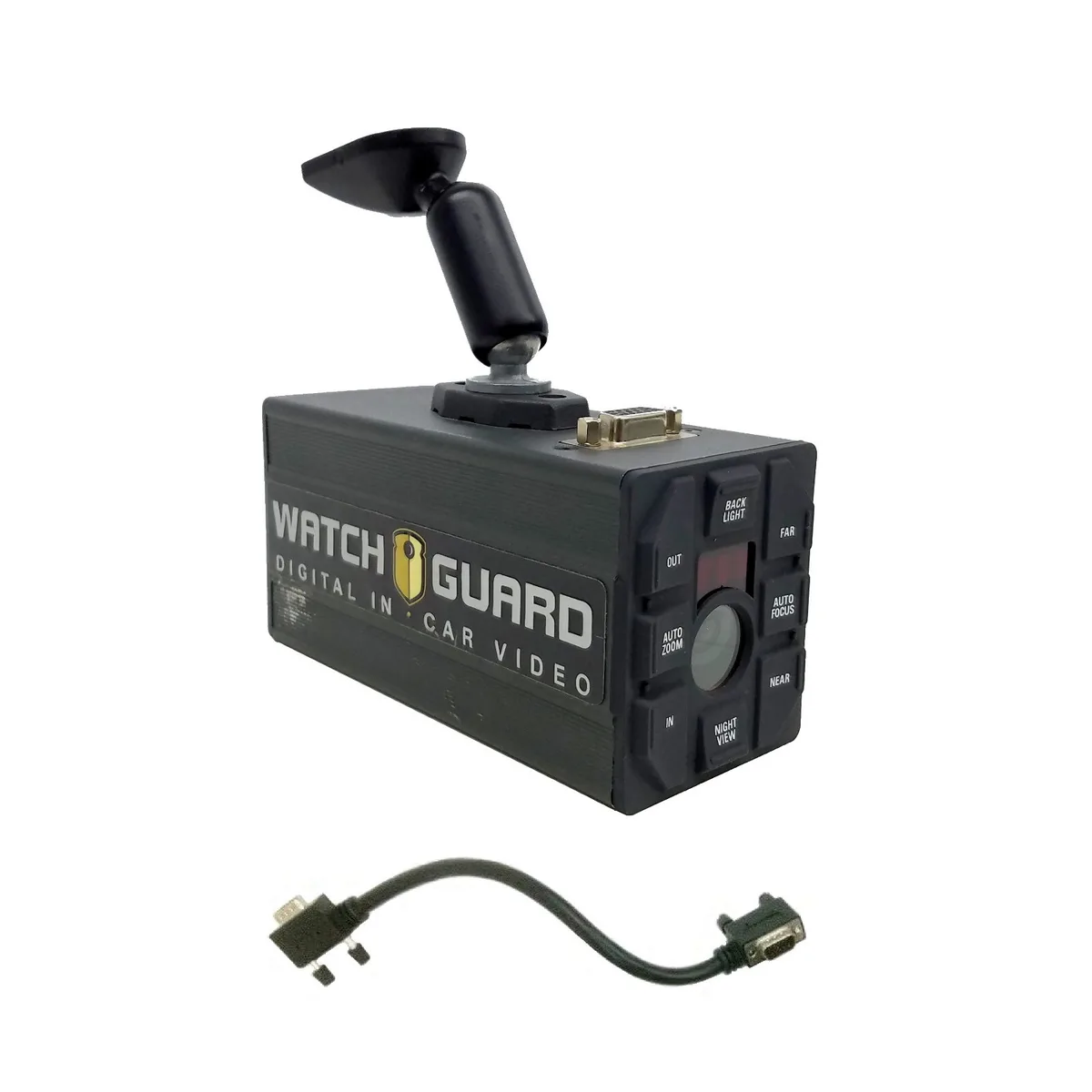
If you've watched a state trooper pull someone over on the interstate, there's a good chance the cruiser was running a WatchGuard DV-1. Motorola Solutions acquired WatchGuard Video back in 2018, and the DV-1 has stayed the most common patrol-car camera in the U.S. ever since.
Manufacturer specifications indicate the DV-1 records in 1080p HD, supports dual cameras for front and cabin coverage, and runs a pre-event recording buffer of 60 to 120 seconds. That means when an officer hits the event marker, the system saves the footage from before the trigger along with everything after. That matters for pursuits and traffic stops where the action starts before anyone presses a button.
The DV-1 stores footage to an encrypted SSD that locks the moment it's removed from the vehicle. Officers can't pull the drive and pop it into a laptop. The system also logs every access event with officer ID, timestamp, and case number.
Aggregate reviews from police procurement officers report the DV-1 holds up well in extreme heat and sub-zero winters. The operating range is rated from roughly, 20°C to +70°C. Vibration resistance meets MIL-STD-810 standards, which matters when you're driving over rough roads for eight hours a shift.
The main drawback is the cloud ecosystem. WatchGuard's evidence management software is solid but doesn't match Axon's Evidence.com for automated redaction and large-scale search. Departments processing hundreds of FOIA requests a month sometimes hit workflow ceilings with the DV-1's backend.
If your department is buying today and isn't locked into an Axon body cam contract, the DV-1 is the safer, more proven pick. It's been the industry default for over a decade, and Motorola's service network is hard to beat.
Axon Fleet 3: The Cloud-First Choice for Modern Departments
Axon built its reputation on the body-worn camera, then worked backward into the patrol car. The Fleet 3 launched as a purpose-built in-car system designed from day one to sync seamlessly with Axon body cams and the Evidence.com cloud platform.
If your agency already runs Axon body cameras, the Fleet 3 is the obvious next step. The two devices talk to each other automatically. Start recording on one, both kick in.
Tag an event on the dash cam, the body cam file gets the same case number, timestamp, and GPS coordinates. For an officer in the field, that's a workflow upgrade that saves minutes per incident. For a department handling discovery requests, it means every file arrives in Evidence.com already sorted and indexed.
Manufacturer specs confirm the Fleet 3 records in 1080p HD with optional 2K upgrade, offers a 130-degree field of view, and includes automatic license plate recognition (ALPR) integration. The ALPR layer separates Fleet 3 from older units. It scans every plate the cruiser passes and cross-references it against hot lists in real time.
The cloud-first design is also the Fleet 3's biggest selling point and its biggest trade-off. Footage uploads automatically over cellular or Wi-Fi the moment the cruiser returns to the station. That removes the manual handoff step that creates chain-of-custody gaps.
But it also means you need reliable connectivity and a subscription plan. Axon bundles Fleet 3 with multi-year Evidence.com contracts, and those contracts are where departments feel the long-term cost.
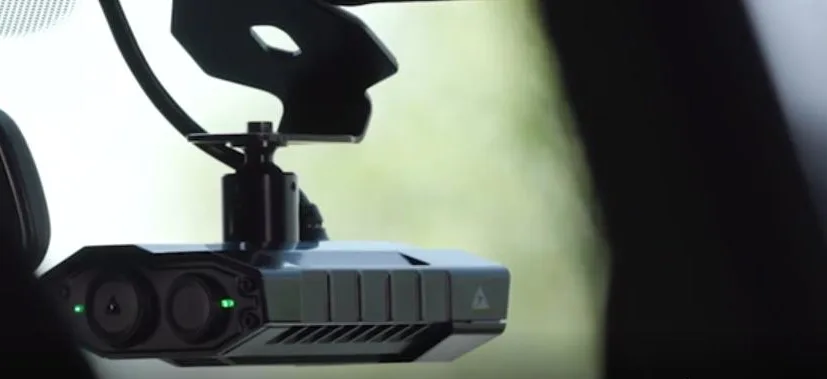
In our research across municipal procurement documents, agencies that standardized on Axon cite workflow consolidation as the primary reason for switching. Departments using mixed systems report spending significantly more admin time on redaction, case assembly, and FOIA processing.
For larger departments with the budget and the IT staff to manage a cloud platform, Fleet 3 is the strongest option on the market right now. For smaller agencies, the recurring subscription cost can be a deal-breaker.
Getac, Coban, Kustom Signals, and Digital Ally: The Mid-Market Contenders
Not every department runs Motorola or Axon. A meaningful slice of mid-sized and specialized agencies chose alternatives, often for price, contract flexibility, or specific feature needs.
Getac Video Solutions
Getac acquired Visual Computing Inc. and now sells rugged in-car systems popular with corrections transport, K-9 units, and agencies that already use Getac rugged laptops. The hardware is built to MIL-STD-810 standards and the form factor is modular. Departments can add cabin cameras, ALPR, and even prisoner-compartment cameras as needed.
Coban Technologies
Coban has been around since the late 1990s and built a loyal following among smaller departments and federal agencies. Pricing tends to run 20% to 30% below the DV-1 and Fleet 3, which matters when you're outfitting 30 cruisers on a tight capital budget. The trade-off is a less polished cloud platform and fewer integrations with modern records management systems.
Kustom Signals Eyewitness HD
Kustom Signals made its name in radar and traffic enforcement equipment. The Eyewitness HD in-car system is built for traffic-focused agencies. Departments that primarily care about stop-stick footage, speed measurement integration, and traffic court evidence lean toward Kustom.
It's a niche but a real one.
Digital Ally DVM-800 Plus
Digital Ally sells both body cameras and in-car systems, often at lower price points than Axon. Aggregate reviews indicate the DVM-800 Plus is a solid mid-tier option for departments migrating away from legacy systems that are reaching end-of-life. The cloud platform isn't as deep as Evidence.com but it covers the basics.
Police Dash Cams vs. Consumer Dash Cams: What's Actually Different
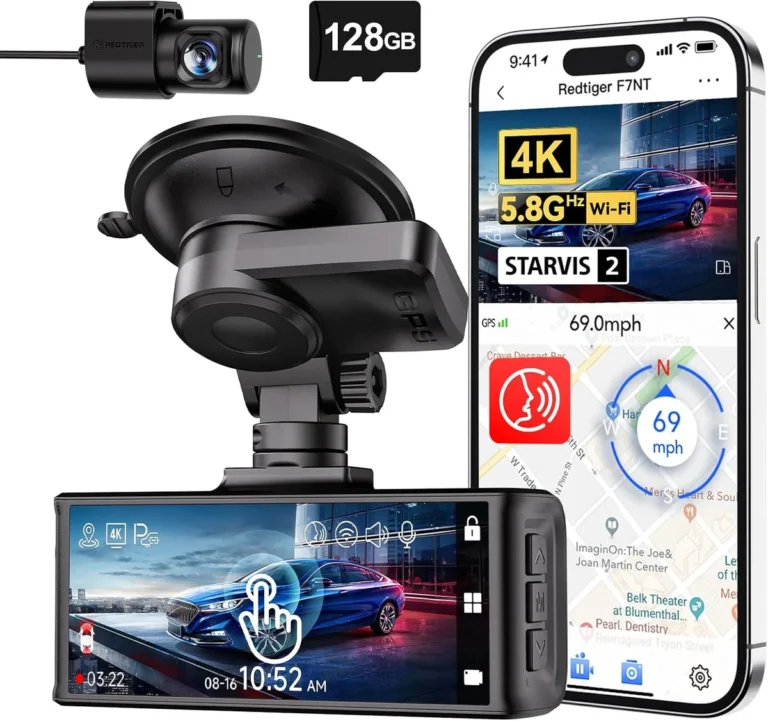
This is where most "police-grade" Amazon listings go off the rails. A $400 BlackVue or Thinkware is a great consumer camera. It is not the same product as a $5,000 in-car video system, no matter what the listing claims.
| Feature | Consumer Dash Cam | Police In-Car Video System |
|---|---|---|
| Resolution | 1080p to 4K | 1080p standard, 2K available |
| Storage | Removable SD card | Encrypted SSD, tamper-resistant |
| Pre-event buffer | 5 to 30 seconds | 60 to 120 seconds |
| GPS tagging | Optional | Standard, with case metadata |
| Body cam sync | None | Automatic, with matching timestamps |
| Chain-of-custody log | None | Full audit trail |
| Auto offload to server | Rare | Standard |
| Audio recording | Single channel, local mic | Dual channel, cabin + outside, often IR-enabled |
| Operating temp range | –10°C to +60°C | –20°C to +70°C typical |
| Cost per vehicle | $150 to $500 | $3,500 to $6,500 |
| FOIA / redaction workflow | None | Built into the EMS platform |
The storage difference is the one that matters most for evidence. A consumer SD card can be pulled, reformatted, swapped, or corrupted. A police SSD is locked, encrypted, and tied to an officer login.
The moment the drive is removed from the dock, the data is sealed.
If you're a civilian driver shopping for a dash cam and you don't need court-admissible evidence, a high-end consumer unit is fine. The hardware is solid. Just don't expect it to perform like a fleet-installed DV-1.
Core Features That Make a Dash Cam "Police-Grade"
Strip away the marketing and a few features separate a real law-enforcement system from a repackaged consumer camera.
Resolution and Frame Rate
Most modern police units record in 1080p at 30 fps. Newer installations offer 2K and 60 fps options, which help capture fast-moving scenes like pursuits and intersection crashes.
Wide-Angle Lens
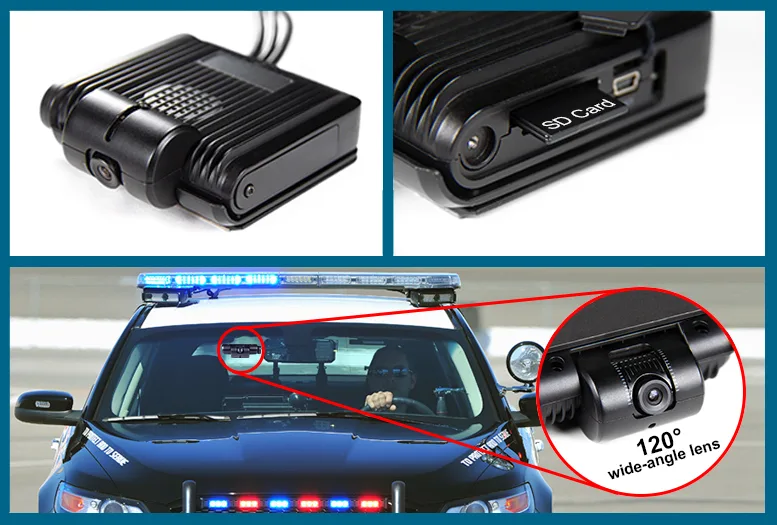
Police lenses typically run 130° to 170° field of view. Most departments land around 140° as the sweet spot.
Low-Light and Night Vision
Modern in-car systems use large-aperture lenses, HDR processing, and infrared illumination for cabin recording. Cabin audio and video capture what's happening with a suspect in the back seat, which has become a critical evidentiary issue in use-of-force cases.
Pre-Event Buffer
A 60 to 120 second rolling buffer means the system is always recording. When an officer hits the event button, the system saves the buffer plus everything that comes after.
G-Sensor and Automatic Event Detection
The accelerometer flags hard braking, sudden acceleration, sharp turns, and impact events automatically.
GPS and Metadata
Every frame carries a GPS tag, a timestamp synced to network time, and metadata identifying the officer, unit number, and case.
Tamper-Resistant Encrypted Storage
The storage isn't optional. It's the whole point.
Cloud Integration
Modern systems upload footage automatically to an evidence management system. Axon uses Evidence.com. WatchGuard uses its own cloud platform.
How Dash Cam Footage Gets Used in Court and Investigations
In criminal cases, dash cam video can establish or disprove charges ranging from DUI to reckless driving to assault on an officer. In civil cases, it's often the deciding evidence in wrongful-arrest lawsuits. Aggregate case law research suggests departments without functioning in-car video face default judgment issues more often.
For internal investigations, footage is reviewed by supervisors, internal affairs, and use-of-force review boards. Aggregate police-research studies indicate that knowing you're being recorded reduces both use-of-force incidents and citizen complaints during traffic stops.
For prosecution, the chain of custody has to be airtight. If the defense can show a gap between recording and evidence locker, or any opportunity for tampering, the footage can be excluded.
What Police Dash Cams Cost (Per-Vehicle Pricing Breakdown)
Outfitting one patrol car with a commercial in-car video system typically runs $3,500 to $6,500 for hardware and installation, before subscription costs.
| Line Item | Approx. Cost |
|---|---|
| DV-1 dual-camera system (front + cabin) | $2,200 to $3,000 |
| Encrypted SSD storage | $300 to $500 |
| Hardwiring kit and installation labor | $400 to $800 |
| MDT (mobile data terminal) integration | $200 to $400 |
| Mounting bracket and windshield hardware | $100 to $200 |
| Body cam pairing module | $300 to $600 |
| Training and certification | $200 to $400 |
| Total per vehicle | $3,700 to $5,900 |
Axon Fleet 3 pricing follows a similar structure but adds a required Evidence.com subscription, which typically runs $1,500 to $3,000 per vehicle per year.
Multi-year fleet contracts typically negotiate per-vehicle pricing down 15% to 25%. Grant funding through the COPS Office and the Byrne JAG program offsets some of this cost for qualifying departments.
Data Storage, Retention Laws, and FOIA Realities
A single cruiser generates roughly 200 to 400 GB of footage per week. A 50-vehicle department generates 5 to 10 TB per week.
Storage Architecture
Most modern systems follow a tiered model. Footage uploads from the cruiser to local station storage and then replicates to a cloud EMS. The cloud tier is where long-term retention happens, running on AWS GovCloud or equivalent to meet FBI CJIS Security Policy requirements.
Retention Schedules
As of 2026, common patterns include:
- Non-evidentiary footage: 90 days to 1 year
- Routine traffic stops: 1 to 3 years
- Use-of-force incidents: 7 years or longer
- Homicide / major crimes: Until case closure plus retention period
- FOIA-related holds: Indefinite while request is pending
FOIA and Public Records Requests
The single biggest workflow burden for many departments is FOIA processing. The EMS platform you choose directly affects how much that costs you in admin time.
Audio Recording Laws and Privacy Compliance
Some states are one-party consent. The officer can record audio of any conversation they're part of without telling the suspect. Other states are two-party consent.
Departments operating in two-party consent states sometimes disable audio recording entirely or post a recorded notice on the dash cam.
This is not theoretical. Departments have had footage thrown out because of audio consent violations.
The other compliance layer is FBI CJIS Security Policy. Any vendor handling criminal justice data has to meet CJIS standards for encryption, access control, and audit logging. Vendors who don't meet CJIS don't get into police procurement.
Axon, Motorola, Getac, and the major players all hold current CJIS compliance certifications. You can verify this through the CJIS Security Policy resource center.
Installation, Power, and Mounting: How Departments Set These Up
Power
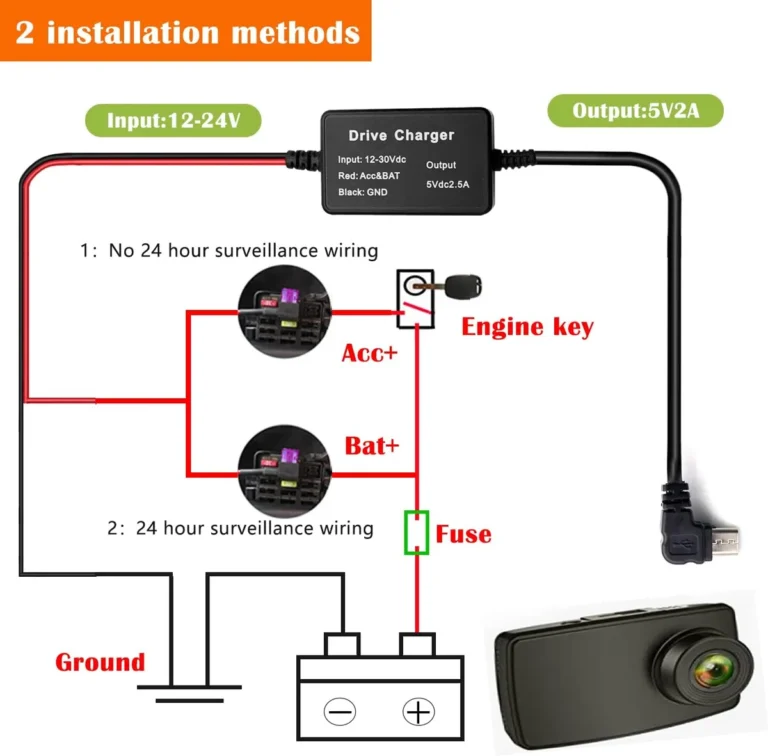
Police units tap directly into the vehicle's 12V system through a fused connection at the fuse panel. Cigarette-lighter power isn't acceptable for patrol use because it doesn't stay on when the vehicle is off.
Mounting
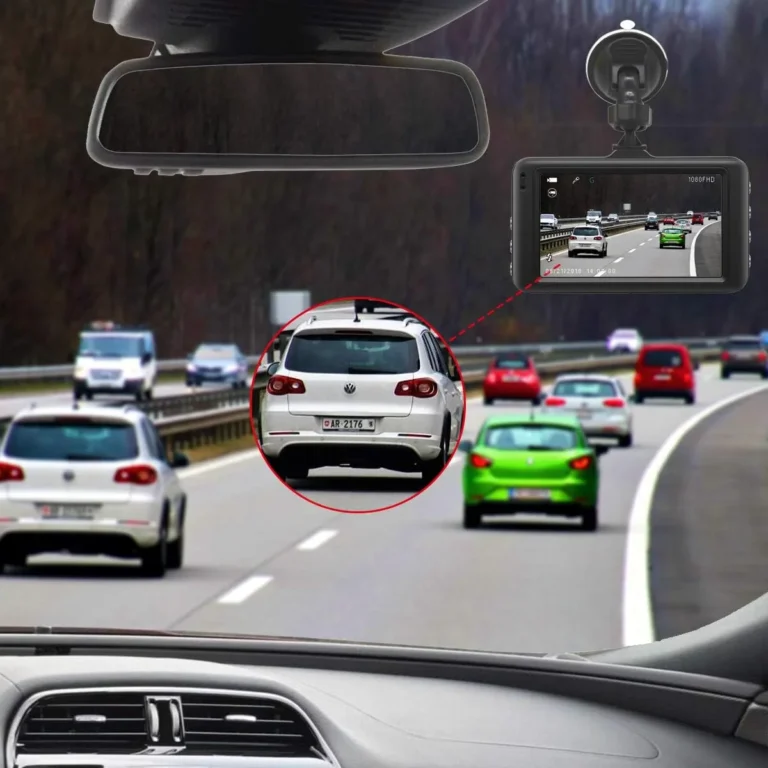
Most police dash cams mount high on the windshield near the rearview mirror. Police mounts are tamper-resistant. Any attempt to remove the camera creates an access log entry.
MDT Integration
The mobile data terminal integrates with the dash cam over a wired or short-range wireless link. License plate queries tie to the same case file as the dash cam footage.
Body Cam Pairing
Pairing happens over Bluetooth or Wi-Fi Direct. The two devices share a clock and an officer ID.
Common Problems Departments Run Into
Storage Failures
SSDs fail. Departments report annual drive replacement rates of 5% to 10% across their fleets.
Connectivity Gaps
Cloud-based systems need connectivity. Rural departments with poor cellular coverage sometimes lose hours of footage because the upload didn't complete.
FOIA Backlogs
Even with a good EMS, redaction is slow. Departments using cloud platforms with AI-assisted redaction report processing requests 60% to 80% faster than departments doing it manually.
Cybersecurity Incidents
Vendor security disclosures as of 2026 indicate at least two major U.S. departments have experienced attempted breaches in the past five years. Any vendor you consider should publish independent third-party security audits.
Officer Pushback
Officers sometimes resist in-car video, especially the cabin-facing camera. Departments that mandate cabin cameras usually phase them in over 12 to 18 months with training and policy updates.
Who Actually Buys These (Departments, Fleets, and Civilians)
Federal Agencies
Federal law enforcement all run in-car video systems, often under multi-agency contracts with Motorola or Axon.
Campus and Transit Police
Campus police, transit police, park rangers, and courthouse security often run commercial in-car video too. Smaller budgets push them toward mid-tier vendors.
Private Security and Fleet Operators
Some private security companies and high-value fleet operators buy commercial-grade systems. These buyers usually don't need CJIS compliance but want the durability and tamper resistance.
Civilian Buyers
This is where the "police-grade" Amazon confusion comes in. Civilian buyers can't buy a true Axon Fleet 3 because the vendor won't sell direct. Civilian buyers looking for the closest legal equivalent should look at high-end Thinkware, BlackVue, or Viofo models with external SSD storage.
Step-by-Step: How Footage Goes From Recording to Evidence
1. Recording Starts
The system is always recording to the rolling buffer. The officer may also start an event manually, or the G-sensor may trigger automatic event detection.
2. Officer Identifies the Event
At end of shift, the officer logs into the system, reviews the event list, and adds case numbers, suspect names, and incident codes.
3. Automatic Upload
When the cruiser returns to the station, the system uploads the encrypted footage to the EMS.
4. EMS Indexing
The cloud EMS indexes the footage by case number, officer ID, date, GPS coordinates, and any user-added metadata.
5. Redaction and Review
Authorized staff use the EMS to redact faces, blur license plates, mute audio segments, and apply hold flags.
6. Export and Chain of Custody
The redacted file gets exported with a full audit log showing who accessed it, when, and what changes were made.
7. Long-Term Retention or Destruction
After the retention window expires, the file gets purged. If the file is under a litigation hold, it stays indefinitely until the hold is released.
Comparison Table: DV-1 vs. Fleet 3 vs. Getac vs. Coban
| Feature | WatchGuard DV-1 | Axon Fleet 3 | Getac | Coban |
|---|---|---|---|---|
| Resolution | 1080p HD | 1080p / 2K option | 1080p HD | 1080p HD |
| Pre-event buffer | 60 to 120 sec | 60 to 120 sec | 60 sec | 30 to 60 sec |
| ALPR | Optional add-on | Built-in | Optional | Optional |
| Cloud platform | WatchGuard cloud | Evidence.com | Getac cloud | Coban cloud |
| Body cam sync | WatchGuard body cam | Native Axon sync | Getac body cam | Limited |
| Subscription required | No (optional cloud) | Yes (Evidence.com) | No (optional cloud) | No (optional cloud) |
| Per-vehicle cost | $3,500 to $5,500 | $4,000 to $6,500 + subscription | $3,000 to $5,000 | $2,500 to $4,500 |
| Best for | Mid-to-large departments | Large metro agencies | Corrections, K-9, rugged use | Budget-conscious fleets |
Best System by Department Size and Budget
Large Metro Departments (200+ Sworn)
Axon Fleet 3 makes the most sense. The subscription pricing drops at scale, the Evidence.com workflow is unmatched at high volume, and most large departments already run Axon body cams.
Mid-Sized Municipal Agencies (50 to 200 Sworn)
WatchGuard DV-1 is the safer pick. No subscription lock-in, proven reliability, and Motorola's service network covers most of the country.
Smaller Departments (Under 50 Sworn)
Getac or Coban. The lower upfront cost matters more than the slight feature gap.
Specialized Units
Kustom Signals for traffic, Getac for corrections transport, Axon for agencies already standardized on Axon body cams.
Mistakes to Avoid When Shopping for a "Police-Style" Dash Cam
Mistake 1: Buying "Police-Grade" From Amazon
Real commercial systems aren't sold direct to consumers. If the listing lets you check out with Prime shipping, it's not police-grade.
Mistake 2: Ignoring Subscription Costs
Axon's hardware price looks reasonable until you add the Evidence.com subscription. Over a five-year contract, the subscription can equal or exceed the hardware cost.
Mistake 3: Skipping CJIS Compliance
If you handle any criminal justice data, you may need CJIS-compliant systems. Standard consumer dash cams don't qualify.
Mistake 4: Underestimating Installation
A proper hardwired install takes 4 to 8 hours of certified technician time.
Mistake 5: Forgetting About Retention
If your state requires 7-year retention on use-of-force footage, make sure your EMS supports it before you buy the hardware.
Expert Tips for Civilian Buyers Wanting Police-Style Coverage
You can't buy a true Axon Fleet 3 as a civilian. But you can build a setup that's functionally close.
Start with a high-end Thinkware, BlackVue, or Viofo model. Add a proper hardwire kit so the camera stays powered when the car is off. Use a high-endurance microSD card rated for continuous write cycles.
Mount the camera high on the windshield near the rearview mirror. Add a second channel for rear or cabin coverage. Configure G-sensor sensitivity low so parking-lot bumps don't fill the card.
Review footage weekly so the system actually protects you.
Use Cases and Best-Fit Scenarios by Unit Type
Standard patrol cars get the headlines, but in-car video systems serve several specialized roles.
Traffic Enforcement
Motor officers and highway patrol need wide-angle lenses, 60 fps capture, and tight integration with radar units. Kustom Signals and WatchGuard dominate this segment.
K-9 and Corrections Transport
Rugged hardware with cabin-facing IR cameras. Getac fits this use case well.
SWAT and Tactical Vehicles
Multi-camera sync, encrypted live streaming, and night vision. Axon's cloud platform handles multi-camera event coordination better than competitors.
Motorcycle and Bicycle Units
Body cameras replace dash cams entirely for two-wheel units.
Costs and Pricing Breakdown for One Cruiser
Here's a typical per-vehicle breakdown for a mid-sized department standardizing on WatchGuard DV-1.
| Line Item | Approx. Cost |
|---|---|
| DV-1 dual-camera system | $2,200 to $3,000 |
| Encrypted SSD storage | $300 to $500 |
| Hardwiring kit and install labor | $400 to $800 |
| MDT integration | $200 to $400 |
| Mounting hardware | $100 to $200 |
| Body cam pairing module | $300 to $600 |
| Training and certification | $200 to $400 |
| Total per vehicle | $3,700 to $5,900 |
Axon Fleet 3 follows a similar hardware structure but adds a required Evidence.com subscription of roughly $1,500 to $3,000 per vehicle per year.
Safety and Legal Compliance Considerations
Audio Consent Laws
One-party consent states allow recording any conversation the officer is part of. Two-party consent states require all-party agreement or a recorded notice.
CJIS Compliance
Any vendor handling criminal justice data must meet FBI CJIS Security Policy standards. Verify current certification before procurement.
State Retention Schedules
Each state publishes its own retention rules through the Department of Justice or state archives. Vendor interpretation isn't authoritative.
FOIA Workflow
Treat FOIA as an ongoing operating cost, not a one-time project. Pick an EMS with redaction tools that match your request volume.
Maintenance and Long-Term Optimization
Annual SSD replacement keeps storage reliable. Quarterly firmware reviews keep security patches current. Annual camera alignment checks keep the field of view correct.
Quarterly retention audits prevent accidental over-retention. Annual officer training refresh keeps EMS data clean.
Frequently Asked Questions
How long do police keep dash cam footage?
Retention varies by state and incident type. Non-evidentiary footage typically gets purged after 90 days to one year. Use-of-force and major incident footage is retained 7 years or longer.
Can civilians buy real police dash cams?
Not through normal channels. Major vendors like Axon and Motorola sell only to law enforcement agencies. Retired or surplus units surface on secondary markets but usually lack active software licenses.
Are police dash cam recordings public record?
Most states treat dash cam footage as public record subject to FOIA. Departments redact bystander faces, minors, and confidential informants before release. Active investigations are usually exempt.
Do police dash cams record audio?
Most do, but rules vary by state. One-party consent states allow recording any conversation the officer is part of. Two-party consent states require all-party consent or a recorded notice.
What is the best dash cam for police-style coverage?
For civilians, high-end Thinkware, BlackVue, or Viofo models with hardwire kits come closest. True police-grade systems aren't sold to consumers.
How much does a police dash cam system cost?
A single cruiser typically costs $3,500 to $6,500 for hardware and installation. Axon Evidence.com subscriptions add $1,500 to $3,000 per vehicle per year on top.
What happens to dash cam footage after a use-of-force incident?
The footage is automatically flagged, uploaded with priority, and placed under a litigation hold. It cannot be deleted under any retention policy until the case is fully resolved.
Final Takeaway
Police departments standardize on commercial in-car video systems from Motorola (WatchGuard DV-1), Axon (Fleet 3), and mid-tier vendors like Getac and Coban. The hardware is similar across vendors. The real difference is the data pipeline behind the camera.
For department buyers, match the vendor to your existing tech stack and budget for total cost of ownership. For civilian buyers, focus on a high-end two-channel consumer system, hardwired, with high-endurance storage. Skip the "police-grade" marketing and focus on the specs that actually matter.
For departments evaluating options as of 2026, the procurement playbook is straightforward. Standardize on one vendor. Budget for total cost of ownership.
Verify CJIS compliance and state retention support. Pick the EMS platform your staff can actually use. The camera itself is the easy part.