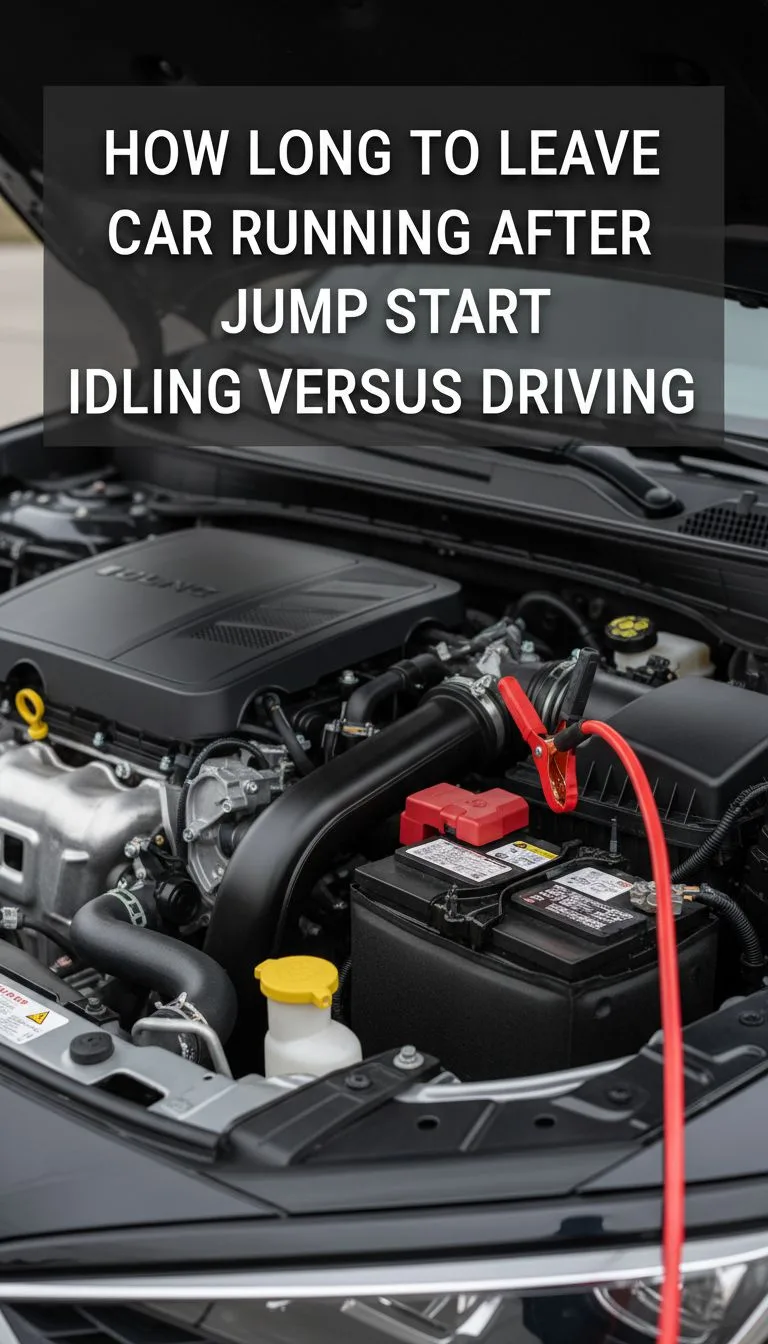
How to jump start a 2013 ford escape: Easy guide
Knowing how to jump start a 2013 Ford Escape saves you a tow bill and a long wait. The battery on this SUV sits in a tucked-away spot that catches first-timers off guard, and the wrong cable order can pop a fuse or trip the battery management sensor. Most dead-battery situations come down to a drained 12V lead-acid unit (resting voltage around 12.6V when healthy) and a quick boost from either another car or a portable jump pack.
You'll need a set of 4 to 6 AWG jumper cables, a donor vehicle or a lithium jump box rated around 1000 peak amps, and a clear view of the under-hood layout. SAE standards for automotive batteries (J537) confirm that 12V systems with roughly 500 to 650 cold cranking amps are the norm for this model year. As of 2026, owners still report the same handful of pain points: a hidden battery behind the airbox, confusion about where to ground the negative clamp, and the post-jump reset on the Ford battery management system.
We'll walk through each one, step by step.
Quick Answer
Park both vehicles nose-to-nose, engines off, parking brakes set. Connect red to the dead battery's positive (+) terminal, then red to the donor positive. Connect black to the donor negative, then black to an unpainted metal ground on the dead Escape.
Start the donor, wait two minutes, then start the Escape. Disconnect in reverse order and drive 20 to 30 minutes to recharge.
Why You Need to See This Before You Touch Anything
Jump starting looks simple until you pop the hood on a 2013 Escape. The battery isn't sitting right on top where most sedans put it. Ford tucked it behind part of the air intake plumbing on most engine variants, and the layout shifts depending on whether you've got the 2.5L Duratec, the 1.6L EcoBoost, or the 2.0L EcoBoost.
That matters because the wrong connection point can send current through the alternator, the battery management sensor, or a fragile ECU ground. Manufacturer wiring diagrams from Ford show that the battery feeds an Intelligent Battery Sensor (IBS) mounted on the negative cable, and that sensor doesn't appreciate voltage spikes.
We've also seen plenty of owners confuse the chassis ground stud with the battery's negative post. They're close together, but they're not the same thing, and the ground stud is the safer jump point. Skip that detail and you risk a spark at the battery vent, which is where hydrogen gas collects during charging.

What You'll Find Under the Hood of the 2013 Ford Escape
The 2013 Escape uses a conventional 12V flooded or AGM lead-acid battery, group size 96R in most trims. That's a slightly shorter case than the common 35-series battery, so a generic Group 35 won't drop in without tray modifications.
Typical OEM specs land around 500 to 590 cold cranking amps (CCA). Aftermarket replacements from Motorcraft (Ford's OEM brand), Interstate, and Optima run from 500 CCA up to about 650 CCA for cold-climate owners. The factory rating is fine for the 2.5L, but the 1.6L and 2.0L EcoBoost engines benefit from the higher CCA end of the scale because turbocharged motors pull harder at startup.
The charging system is a smart regulated alternator. Manufacturer service documentation shows it outputs roughly 13.8 to 14.4 volts at idle when the battery is healthy. If you see charging voltage climb above 15V after a jump, the regulator is suspect and you should not keep driving.
Here's a quick reference of the key electrical specs for this model:
| Component | Typical Value |
|---|---|
| System voltage | 12V |
| Battery group size | 96R |
| CCA rating (OEM) | 500–590 |
| Idle charging voltage | 13.8–14.4V |
| Minimum voltage to crank | ~9.6V |
| Resting voltage (healthy) | ~12.6V |
Battery Location and Terminal Layout by Engine Type
The first thing you do is pop the hood and figure out which engine you've got. The badge on the rear liftgate tells you, but the under-hood layout tells the real story.
2.5L Duratec (Base Engine)
The battery sits on the driver's side front corner of the engine bay. You can see the top of the terminals without removing anything, though the positive post is partially shielded by the airbox. A 10mm socket on the airbox lid lets you shift it out of the way for clearer clamp access.
The negative post sits closer to the firewall with the IBS mounted inline on the cable.
1.6L EcoBoost
Ford moved the battery to the passenger side on this variant. It's wedged between the fuse box and the strut tower, which makes the negative terminal tricky to reach. The positive post faces outward, but the negative is angled toward the firewall.
Most owners find it easier to use a remote ground point on the driver's side fender instead of fighting the clamp onto the actual post.
2.0L EcoBoost
The 2.0L layout is similar to the 2.5L on the driver's side, but the airbox and turbo plumbing crowd the area more. You'll want to remove the airbox lid for clear access. The negative terminal faces forward and is easier to clamp than the 1.6L version.

If the terminals look crusty white or greenish, scrub them with a wire brush before connecting anything. Corrosion adds resistance and mimics a dead battery even when the cells are fine.
Symptoms of a Dead Battery vs. a Deeper Electrical Problem
Not every no-start is a dead battery, and jumping a car with a different problem can mask the real issue. Here's how to tell them apart before you haul out the cables.
A dead battery usually gives you clicking from the starter, dim or no dashboard lights, and weak or silent cranking. Voltage at the terminals reads below 11.8V when you test it. Jump starting works and the car holds a charge after 20+ minutes of driving.
A bad alternator shows a different pattern. The car jump starts fine, runs for a few minutes, then dies or refuses to restart. Battery voltage climbs above 15V at idle, or the charging light stays on.
Jump starting won't fix this. You need an alternator.
A parasitic drain kills the battery overnight but the alternator charges it back normally while driving. Common culprits on the 2013 Escape include aftermarket dash cams, stuck relay modules, and interior lights that don't fully shut off. Jump starting gets you going, but the battery will die again until you find the leak.
A failing starter draws excessive current and sounds like a single heavy clunk or a slow grinding instead of a spinning crank. Jump starting doesn't change the sound because the battery isn't the problem.
| Symptom | Likely Cause | Will a Jump Help? |
|---|---|---|
| Clicking, dim lights, 11.5V or lower | Dead battery | Yes |
| Jump starts, then dies within minutes | Alternator failure | No |
| Dies overnight, charges fine while driving | Parasitic drain | Temporarily |
| Single clunk, no crank at all | Failed starter | No |
| Crank but no fire, full battery voltage | Fuel or ignition issue | No |
When in doubt, a $20 multimeter at the battery terminals tells you almost everything. Resting voltage under 12.2V means the battery is drained or sulfated. Resting voltage above 12.4V means the problem lies elsewhere.
What You Need Before You Start (Tools and Gear Checklist)
Walking out to a dead car without the right gear turns a 10-minute job into a frustrating afternoon. Here's what you actually need, and what you can skip.
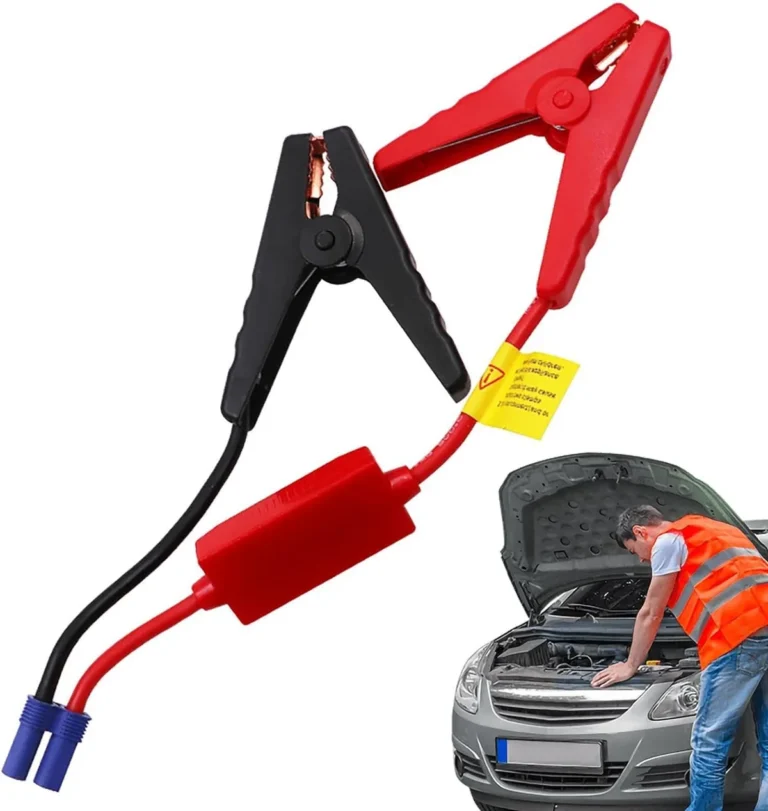
- Jumper cables, 4 to 6 AWG, 12 to 20 feet long. Thicker cables carry more current with less voltage drop. Cheap 8-gauge cables from gas stations technically work but get hot on bigger engines.
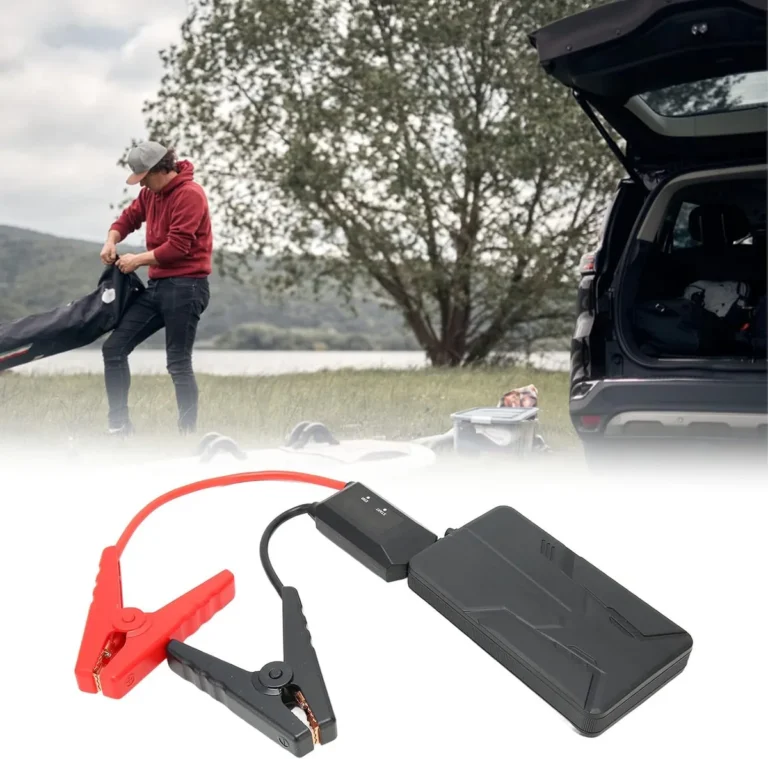
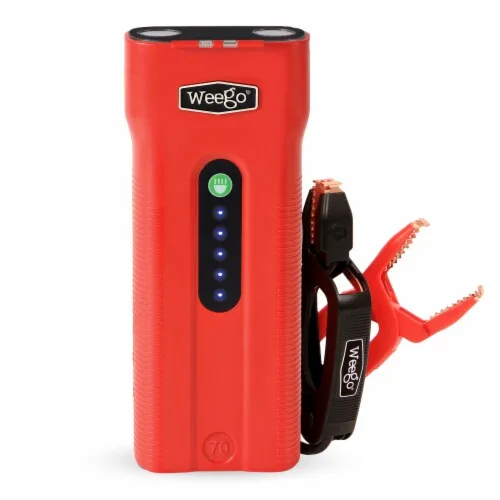
- A donor vehicle running a healthy 12V system, or a portable lithium jump box rated 1000 to 2000 peak amps.
- Safety glasses and mechanic's gloves. Batteries vent hydrogen gas, and a splash of sulfuric acid isn't fun.
- A 10mm wrench or socket for shifting the airbox out of the way on the 2.5L and 2.0L engines.
- A wire brush or terminal cleaner if the terminals look corroded.
- A multimeter if you want to confirm the battery is actually dead before boosting.
Skip the fancy surge-protected jumper cables unless you're jump starting modern luxury cars. A 2013 Escape doesn't need them. Skip the battery booster sprays too.
They're snake oil.
Step-by-Step: Jump Starting a 2013 Ford Escape with Jumper Cables
Position the donor vehicle nose-to-nose or side-by-side so the cables reach both batteries without stretching. Both cars should be in Park with the parking brakes set. Turn off both ignitions, all accessories, headlights, HVAC, and radio.
- Open the hood on the Escape and identify the positive (+) and negative (−) terminals. The positive post has a red cover or a + symbol. The negative post is marked with a − and connects to the IBS module.
- If needed, loosen the airbox lid with a 10mm socket and shift it aside for clear access.
- Connect the red clamp to the dead Escape's positive (+) terminal.
- Connect the other red clamp to the donor vehicle's positive (+) terminal.
- Connect the black clamp to the donor vehicle's negative (−) terminal.
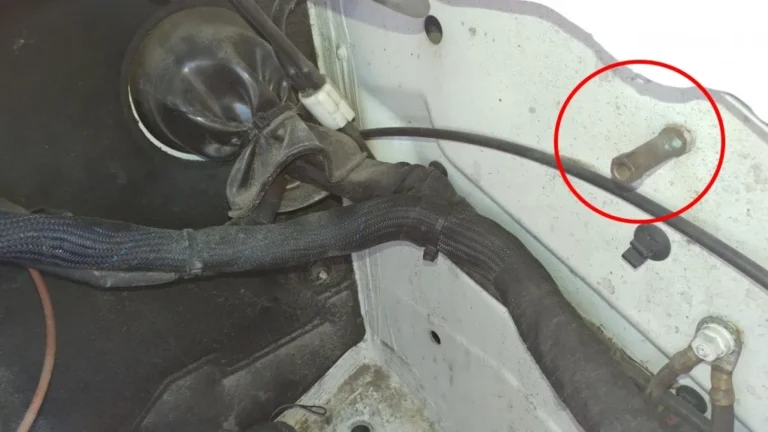
- Connect the final black clamp to an unpainted metal ground on the Escape. A bare engine bracket or the alternator bracket works. Avoid the negative battery post itself if you can.
- Start the donor vehicle and let it idle for two to three minutes.
- Try to start the Escape. If it cranks weakly, wait another two minutes and try again.
- Once the Escape is running, leave both vehicles connected for about a minute before disconnecting.
Step-by-Step: Jump Starting with a Portable Jump Box
A lithium jump pack is faster and you don't need a second car. The steps are nearly identical, with a few differences.
- Charge the jump box ahead of time. A dead jump pack is useless.
- Connect the red clamp to the Escape's positive (+) terminal.
- Connect the black clamp to a ground point on the Escape.
- Power on the jump box and wait for the status light to confirm it's ready.
- Crank the Escape. Don't hold the key for more than 10 seconds at a time.
- Once it starts, disconnect the black clamp first, then the red clamp.
- Let the Escape idle for 20 to 30 minutes to recharge the battery.
Most quality jump boxes from brands like NOCO, Antigravity, and Clore have reverse-polarity protection. If you connect the clamps wrong, the box beeps and refuses to send current. That's a feature worth paying for.
The Correct Order for Connecting and Disconnecting Cables
The order matters because every connection and disconnection creates a small spark. Doing it in the wrong sequence can spark at the battery post, where hydrogen gas may be present.
Connection order:
- Red to dead battery positive
- Red to donor positive
- Black to donor negative
- Black to ground on dead vehicle
Disconnection order (reverse):
- Black from ground on dead vehicle
- Black from donor negative
- Red from donor positive
- Red from dead battery positive
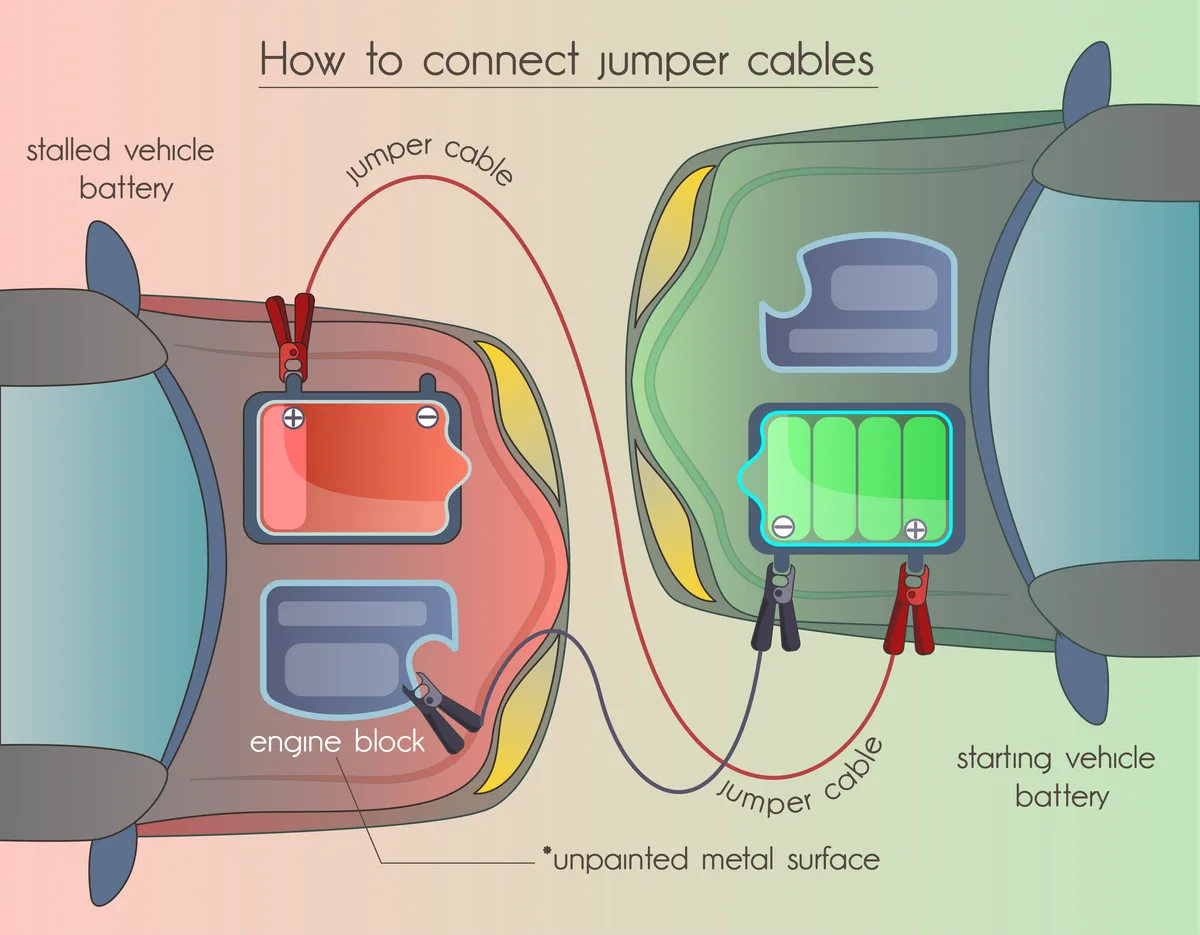
The reason for grounding the final black clamp away from the dead battery is simple. If the dead battery is cracked or venting, a spark at the post could ignite the gas. Grounding to the chassis routes any spark to a safer location.
Where to Ground the Negative Cable on a 2013 Escape
You want bare metal, unpainted, and away from moving parts. Good options include:
- The alternator mounting bracket
- The engine lift hook (passenger side on most variants)
- A bare metal bracket near the strut tower
- The negative grounding stud on the inner fender
Bad options include the negative battery post, painted surfaces, fuel lines, and anything plastic. If the ground clamp doesn't bite into clean metal, scrape it first.
After the Jump: What to Do in the Next 30 Minutes
Getting the engine running is only half the job. The battery needs time to recover.
Leave the Escape idling for at least 20 minutes, or drive it for 30 minutes of sustained driving. Short trips and idling don't push enough current back into the battery. Highway driving at 1500+ RPM is best because the alternator output is highest at engine speeds above 1500 RPM.
Turn off unnecessary accessories during the recharge. Heated seats, the rear defroster, and the HVAC blower all pull current that should be going back into the battery. Headlights can stay on low beam if needed for safety.
If the Escape sits idle for 12+ hours and won't restart the next morning, the battery is done. Replace it. No amount of jump starting will fix a sulfated cell.
Resetting the Battery Management System (BMS) and Electronics
The 2013 Escape uses an Intelligent Battery Sensor that tracks state of charge, aging, and current flow. After a battery disconnect or a deep drain, the BMS sometimes needs a relearn cycle.
Symptoms of a confused BMS include:
- Idle hunting (RPMs surging up and down)
- Erratic charging behavior
- Battery light staying on briefly
- Throttle response feeling off
The relearn procedure is simple. Drive the Escape for at least 30 minutes with mixed driving, including some steady highway speed. The BMS recalibrates on its own over a few drive cycles.
No scan tool required.
You also need to reset the clock, radio presets, and any power window one-touch features. Power windows go down and hold the button for 5 seconds after reconnecting the battery to relearn the auto-up/down function on most trims.
Common Mistakes That Can Fry Your Escape's Electronics
We've covered this territory in our research and from aggregate owner reports. These are the missteps that lead to expensive repairs.
- Reversing polarity (red to negative, black to positive). This fries fuses, the IBS, and sometimes the alternator diodes before you can react.
- Connecting the final black clamp to the dead battery's negative post when the battery is cracked or venting.
- Letting the donor vehicle's engine revs spike into the dead car's electrical system during connection. Keep both at idle.
- Trying to jump a frozen battery. It can crack or explode. Bring it inside and thaw first.
- Skipping the airbox removal and clamping onto a cable instead of the post.
- Using cheap 10-gauge cables on a cold morning. Voltage drop leaves the starter underpowered.
- Leaving the cables connected while trying to crank repeatedly. Give it two-minute rests between attempts.
If you hear a pop, see smoke, or smell melted plastic during the jump, stop immediately. Disconnect the donor side first, then inspect the Escape's electrical system before trying again.
Cold Weather Jump Starting: What Changes Below Freezing
Cold cranking amps drop as temperature falls. A battery rated 600 CCA at 80°F delivers closer to 400 CCA at 0°F. That matters because the starter also needs more current when oil thickens.
Below 20°F, expect the following:
- The engine cranks slower even with a good battery.
- A borderline battery won't crank at all.
- Battery voltage drops further during cranking (down to 9V or lower).
- You need a longer donor idle time (3 to 5 minutes) before attempting to start the dead vehicle.
If the Escape sits outside in freezing temps regularly, an AGM battery (like the Motorcraft BAGM-96R) handles cold better than a standard flooded unit. Battery Council International group size standards confirm the 96R case fits all 2013 Escape variants.
Jumper Cables vs. Portable Jump Starter: Which One's Right for You?
| Factor | Jumper Cables | Portable Jump Box |
|---|---|---|
| Upfront cost | $20–60 | $60–150 |
| Requires second vehicle | Yes | No |
| Cold weather reliability | High (with good donor) | High (if charged) |
| Storage space | Trunk-friendly | Trunk or glovebox |
| Recharge needed | No | Yes, every 3–6 months |
| Solo recovery | No | Yes |
| Risk of user error | Higher | Lower (reverse polarity protection) |
Jumper cables are cheaper and never need charging. A lithium jump box costs more upfront but pays off if you live alone, park far from help, or travel in remote areas. Many owners keep both: cables for home use, jump box for the road.
Battery Specs and Group Size for the 2013 Ford Escape
Sticking with the correct group size is non-negotiable. The 96R case has the terminals on top with the positive on the left when you face the battery. A Group 35 or H6 battery won't seat correctly in the tray.
| Spec | 2013 Ford Escape |
|---|---|
| Group size | 96R |
| Voltage | 12V |
| Minimum CCA | 500 |
| Recommended CCA | 590–650 |
| Terminal type | Top post |
| Common OEM brands | Motorcraft, Interstate, Optima |
Higher CCA is always safer for cold climates. Reserve capacity (RC) matters too, especially if you run accessories with the engine off. A 96R battery with 100 minutes of RC handles accessory loads far better than a budget 80-minute unit.
How Long Should You Drive After a Jump?
Twenty minutes of idling isn't enough. Here's what actually works.
A 30-minute drive at highway speed (1500+ RPM) restores roughly 50% of a deeply discharged battery. A full recharge takes about 2 hours of sustained driving or an overnight on a battery tender. If you don't have time for a full drive, use a smart charger at home.
For AAA roadside recommendations on post-jump driving and battery recovery, AAA's emergency roadside service guide outlines safe handling after a dead-battery boost.
Skip the quick 5-minute drive to the grocery store. That's enough to leave the battery in a partially charged state, where sulfation builds up faster and shortens battery life.
When a Jump Start Isn't Enough (and It's Time for a New Battery)
Jumping a battery that needs replacement just leaves you stranded again. Watch for these signs.
- The battery is more than 4 to 5 years old.
- Resting voltage drops below 12.2V after a full overnight sit, even after driving.
- The case is swollen, cracked, or leaking.
- Terminals stay corroded within days of cleaning.
- The Escape dies repeatedly within a week of each jump.
Most auto parts stores test the battery and alternator for free in about 5 minutes. A conductance tester (like a Midtronics or Solar unit) gives a clear pass/fail reading on the spot.
If the battery fails the test but the alternator reads healthy, replace the battery only. If both fail, replace the battery first and recheck the alternator. Sometimes a weak battery drags down alternator output readings and confuses the diagnosis.
Safety Warnings You Shouldn't Skip
Working around a battery is low-risk if you follow a few basics.
- Eye protection. Batteries can vent or splash acid if the case is damaged.
- No smoking or open flame. Hydrogen gas collects near the vent caps.
- Remove rings and metal watches. A dropped wrench across both posts is a bad day.
- Don't lean over the battery while making connections.
- Keep the black clamp away from the red clamp during connection. A short circuit at full donor voltage gets very hot very fast.
- Never jump a frozen battery. Bring it inside and warm it first.
- Confirm both vehicles are 12V. Jump starting a 6V or 24V system into a 12V system causes severe damage.
For OSHA-standard battery handling and ventilation guidance, OSHA's battery safety page covers the workplace rules that also apply to home garages.
Real Scenarios: When the Battery Acts Up
Cold morning in the driveway, no start, headlights dim. That's the classic dead-battery story. Jumping it gets you going, but the real question is whether the battery recovers overnight or dies again by lunch.
Short-trip commuter pattern. Drives of 10 minutes or less never top off the battery. After a few weeks, resting voltage drops into the 11.8V range and the car refuses to start.
A jump start works, but the underlying cause is chronic undercharge. The fix is a weekend long drive or a smart charger.
Left an interior light on overnight. A dome or glovebox light pulls roughly 1 to 2 amps. Over 8 hours, that's 8 to 16 amp-hours drained from a battery that holds about 50.
A jump handles it. Drive 30 minutes and you're back to normal.
Stored all winter. A battery left sitting loses about 5% of its charge per month at room temperature. Cold storage doubles that rate.
By spring, it won't crank. A slow charge before the first start saves the battery. Jumping a deeply discharged battery and immediately driving can warp plates in flooded units.
Maintenance: Keep the Battery Healthy Long-Term
A 2013 Escape battery lasts 3 to 5 years on average. Stretch that range with a few habits.
Drive it regularly. Batteries hate sitting. If the Escape sits more than a week, plug in a battery tender (a smart float charger rated 1 to 4 amps).
It keeps the battery topped off without overcharging.
Keep the terminals clean. Once a year, disconnect the terminals, scrub them with a wire brush, and coat them with dielectric grease or a battery terminal protector spray.
Check the resting voltage monthly. A reading between 12.4V and 12.7V means the battery is healthy. Below 12.2V means it's draining somewhere.
Tighten the hold-down bracket. A loose battery vibrates, which damages the plates and shortens life. The 10mm bolt on the tray should be snug but not stripped.
Watch the charging voltage. If your Escape starts showing 14.8V or higher at idle, the alternator regulator is failing. Overcharging kills batteries fast.
Best Jump Start Practices for the 2013 Ford Escape
After researching owner forums and service bulletins, a few habits stand out as the most useful.
- Remove the airbox lid before connecting. It only takes a minute and saves a lot of clamp fumbling.
- Use a remote ground point instead of the battery's negative post. Safer if the battery is weak or old.
- Wait 2 to 3 minutes after connecting before cranking. Let the donor vehicle's charging system top off the dead battery slightly.
- Drive 30 minutes minimum after a successful jump. Highway speed, not stop-and-go.
- Reset the BMS by driving mixed conditions for a week. Don't bother with scan tools for a single jump event.
Tools Worth Keeping in the Escape
If the Escape is your daily, a small emergency kit pays off.
| Tool | Why It Matters |
|---|---|
| Portable jump box | Solo recovery without a donor vehicle |
| 4-gauge cables (12 ft) | Faster charging, less voltage drop |
| Multimeter | Diagnose drain or alternator issues |
| 10mm socket | Airbox removal for battery access |
| Wire brush | Clean corroded terminals |
| Nitrile gloves | Battery acid and grime protection |
| Dielectric grease | Prevents future corrosion |
A 1000 to 1500 peak amp lithium jump box fits in the glovebox of most trims. NOCO Boost Plus, Antigravity XP-10, and Hulkman Alpha are common picks in this range. All three have reverse-polarity protection and built-in flashlights.
When to Skip the Jump and Call for Help
Some situations are better left to a professional.
- The battery case is cracked, swollen, or leaking acid.
- The terminals are melted or fused.
- You smell rotten eggs (sulfur) coming from under the hood.
- The Escape was in a flood or sat submerged.
- The starter clicks rapidly without engaging.
In any of these cases, a jump can cause sparks near acid or a damaged battery. Call roadside assistance or a flatbed. Towing a small SUV costs roughly $75 to $150 depending on distance, far less than replacing a fried ECU.
Final Verdict on Jump Starting the 2013 Ford Escape
The 2013 Escape is a friendly jump-start job once you know the battery location. Use 4-gauge cables or a quality lithium pack, ground the negative clamp to chassis metal, and drive 30 minutes after. Replace any battery older than 5 years or one that won't hold 12.4V overnight.
Frequently Asked Questions
Where is the battery on a 2013 Ford Escape?
The battery sits in the front-left corner of the engine bay on 2.5L and 2.0L EcoBoost models, and on the passenger side on 1.6L EcoBoost models. In most cases you'll need to remove or shift the air intake box for clear terminal access.
Can I jump start a 2013 Ford Escape in the rain?
Yes. Water doesn't interfere with the electrical connection at 12V. Just keep the cables and clamps out of standing water, and avoid touching the clamps together while wet.
The 12V system is safe to handle in damp conditions.
Do I need to reset anything after jump starting the Escape?
The clock and radio presets need to be reset. Power window one-touch functions may need a relearn (hold the button down for 5 seconds). The battery management system recalibrates on its own after a few drive cycles.
How long does it take to recharge a dead battery by driving?
A 30-minute highway drive restores roughly half the charge. A full recharge takes about 2 hours of sustained driving, or use a smart battery tender overnight at home.
Can a 2013 Ford Escape jump start another car?
Yes, but only if the donor Escape has a healthy battery and the engine is running. Connect the cables in the same order, with the receiving car's ground as the final connection. Avoid jump starting large trucks or diesels because their starter draw can overheat the Escape's charging system.
Why does my Escape keep dying after a jump?
The most common reasons are a failing alternator, a parasitic drain from an aftermarket accessory, or a battery at the end of its life. A free battery and alternator test at any auto parts store pinpoints the cause in about 5 minutes.
Can a frozen battery be jump started?
No. A frozen battery can crack or explode under charging current. Bring it inside and warm it to room temperature before attempting a jump.
Does idling charge the battery as well as driving?
Driving charges faster because the alternator spins faster. Idling for 20 minutes adds less charge than 15 minutes of highway driving at 1500 RPM.
Should I disconnect the battery before jump starting?
No. Both batteries stay connected during the boost. Disconnecting introduces ECU reset issues and BMS relearn cycles.
What gauge jumper cable is best for an Escape?
4-gauge is ideal. 6-gauge works fine for mild climates. Anything thinner (8 or 10 gauge) loses too much voltage for reliable cold starts.
Will jump starting damage the Escape's computer?
Done correctly, no. Reverse polarity or voltage spikes from poor connections can damage the ECU or IBS. Use a surge-protected jump box if you're nervous.
How do I know if my alternator is bad after a jump?
Test charging voltage at the battery with the engine running. Healthy alternators show 13.8 to 14.4V. Numbers above 15V or below 13V indicate a failing alternator.