How to jump start a honda pilot: Easy guide
You turn the key on your Honda Pilot, and nothing happens. No crank, no click, just dead silence from a three-row SUV that was running fine yesterday. Knowing how to jump start a Honda Pilot yourself saves you a tow, a service call, and an afternoon you don't want to spend waiting in a parking lot.
The job takes about ten minutes once you know the sequence.
The Pilot's 12V battery sits under the hood on the driver's side, and Honda's factory service information calls for a group-size 24F or H6 battery rated around 550 to 650 CCA. As of 2026, every gasoline Pilot from 2003 on shares that same under-hood layout, which means the procedure below covers almost every Pilot you'll find in a driveway today. If you drive the new 2026 Pilot Hybrid, the 12V jump-start works the same way for accessories, but it won't wake up the hybrid system, and we'll cover that exception in its own section.
Quick Answer
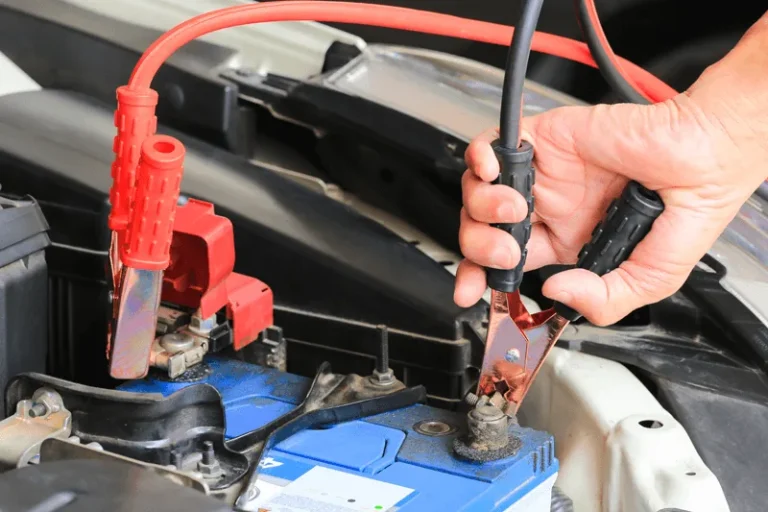
Connect the red clamp to the dead battery's positive (+) terminal. Connect the other red clamp to the donor battery's positive terminal. Connect the black clamp to the donor battery's negative (-) terminal.
Connect the final black clamp to a metal ground point on the dead Pilot, not the battery. Start the donor vehicle, wait two minutes, then crank the Pilot. Disconnect in reverse order.
Jump-Starting a Honda Pilot: Where to Start Based on What's Actually Wrong
Before you pop the hood, spend thirty seconds figuring out what your Pilot is actually doing. The symptoms tell you whether a jump will fix it, or whether you're chasing a deeper electrical problem.
Here's a quick decision guide:
| What You See / Hear | Most Likely Cause | Will a Jump Fix It? |
|---|---|---|
| Nothing at all, no lights, no chime | Fully discharged or disconnected battery | Yes |
| One click, then silence | Weak battery or poor terminal contact | Usually yes |
| Rapid clicking that fades | Severely discharged battery | Yes, may need 5+ min of donor charging first |
| Cranks slowly but won't start | Marginal battery, possible cold weather | Yes |
| Cranks normally but won't fire | Not a battery issue, fuel or spark | No, jump won't help |
| Starts, then dies within minutes | Failing alternator | No, jump won't hold |
If you're in the top four rows, a jump is the right move. If you're in the bottom two, you're about to waste cables and time.
Honda Pilot Battery Location and What You're Working With
The battery lives under the hood, on the driver's side, in a plastic tray near the firewall. Honda placed it there across the entire Pilot lineup from 2003 through 2025, so there's no hunting required.
A few specs worth knowing before you start:
- Group size: 24F (most trims) or H6 AGM (higher trims with Idle Stop)
- Voltage: 12V nominal, healthy resting voltage 12.4 to 12.7V
- CCA rating: roughly 550 to 650 cold cranking amps
- Positive terminal: red cover, marked with a + symbol
- Negative terminal: black, marked with a − symbol, often hidden under a small flap
You'll also notice a bare metal stud or bracket somewhere on the engine block near the battery. That's your chassis ground point, and it's where the final black clamp goes. Honda put it there specifically so you don't have to clamp onto the negative battery post, which can spark near hydrogen gas.
Safety First: What to Do (and Not Do) Before You Touch a Terminal
A 12V car battery won't electrocute you, but it can burn your eyes, ruin your jewelry, and crack the battery case if you cross the cables wrong. Treat it like the small explosive it technically is.
Wear safety glasses. Batteries vent hydrogen gas, and a single spark near the vents can crack the housing. Remove rings, watches, and bracelets.
A wrench bridging the positive post and your wedding band is a trip to the ER. Keep the red and black clamps apart at all times. Lay them on the ground with enough spacing that they can't swing into each other.
Make sure both vehicles are in Park with the parking brake set. Turn off both ignitions, headlights, climate control, and anything plugged into the 12V outlet. The donor vehicle's engine should be off during connection, then started once the cables are secure.
Per OSHA battery-safety guidance for industrial trucks, the same jump-start precautions apply to any 12V automotive battery, including parking both vehicles, neutralizing ignition sources, and using proper cable gauges for the load.
Tools You Can Use: Cables, Jump Box, or Donor Vehicle
You've got three real options, and the right one depends on where you're stuck.
| Option | Best For | What to Look For |
|---|---|---|
| Jumper cables + donor vehicle | Home driveway, parking lot with a helper nearby | 4 AWG or thicker, 12-20 ft length |
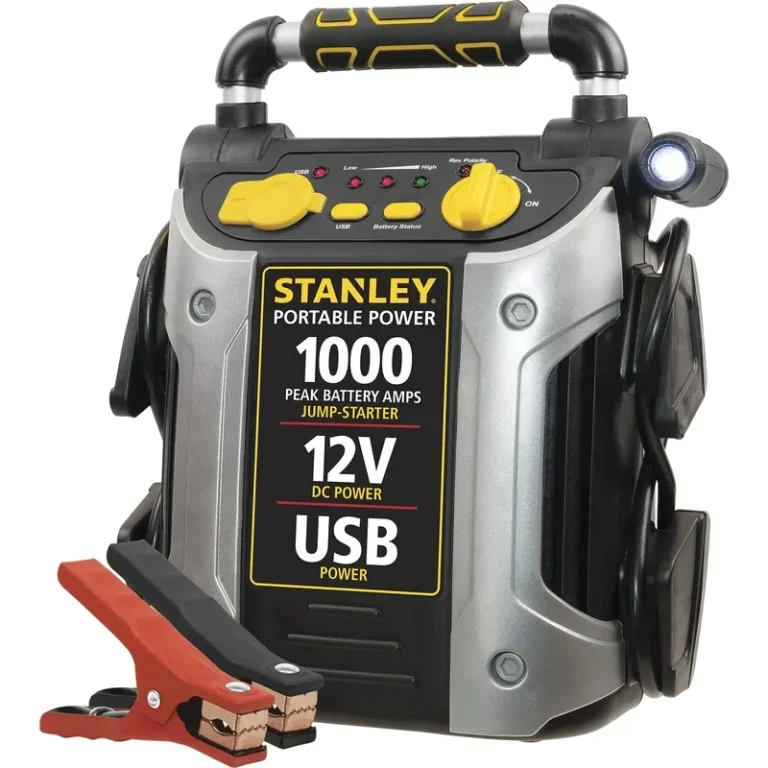
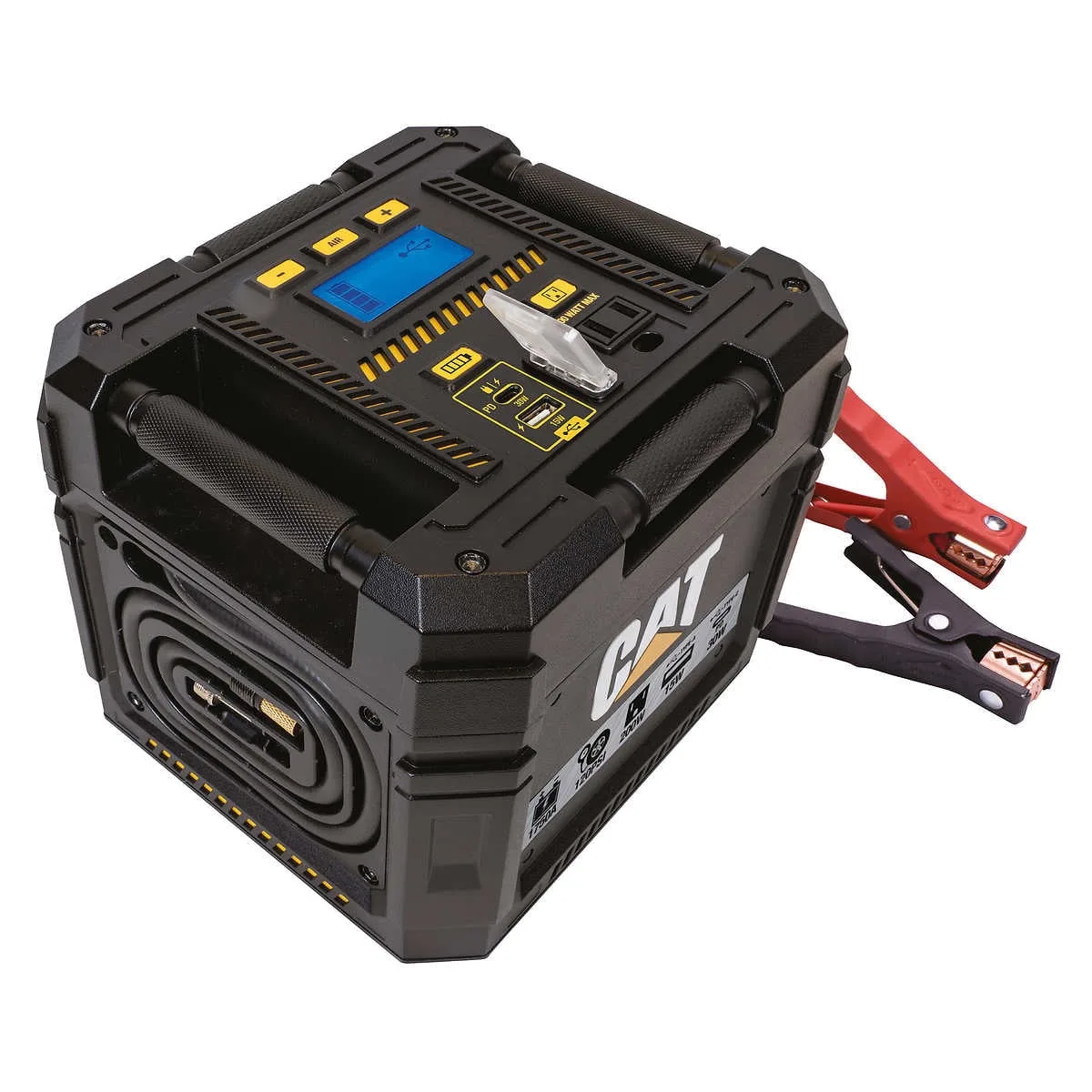
| Portable lithium jump box | Solo driver, no second car available | 1000+ peak amps, charged within last 6 months |
| Battery charger / maintainer | Overnight recovery at home | 2-10 amp smart charger |
If you carry a jump box, keep it in the cargo area. Aggregate reviews of lithium jump starters show that models rated above 1500 peak amps handle the Pilot's 3.5L V6 reliably, even in sub-freezing weather. Anything rated below 800 peak amps struggles with a fully dead battery on a cold morning.
Cable thickness matters more than brand. A 6 AWG cable works in a pinch, but 4 AWG copper-clad aluminum is the sweet spot for SUV-to-SUV jumps. Anything thinner drops too much voltage over the cable run, and your donor vehicle ends up doing all the work.
Step-by-Step: How to Jump a Honda Pilot with Jumper Cables
Park the donor vehicle close enough that the cables reach comfortably without stretching. Nose-to-nose or side-by-side works fine. Both engines off, parking brakes set, accessories off.
Here's the sequence:
- Open the Pilot's hood and locate the battery on the driver's side.
- Flip up the red plastic cover on the positive (+) terminal.
- Clamp the red cable to the Pilot's positive terminal.
- Clamp the other end of the red cable to the donor battery's positive terminal.
- Clamp the black cable to the donor battery's negative terminal.
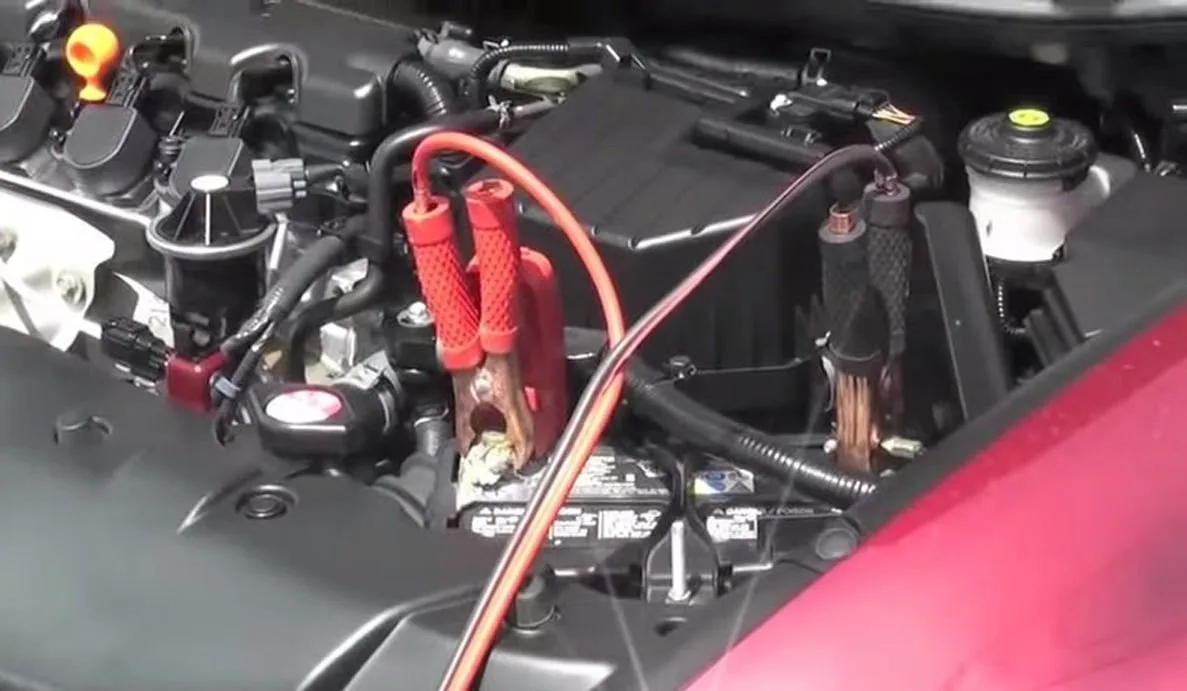
- Clamp the other end of the black cable to a metal ground point on the Pilot, an unpainted engine bracket or chassis stud, not the battery's negative post.
- Start the donor vehicle and let it idle for two to three minutes.
- Try to start the Pilot. If it clicks but won't crank, wait another three minutes and try again.
- Once the Pilot is running, leave it connected for another minute before disconnecting.
- Disconnect in reverse order: black from ground, black from donor, red from donor, red from Pilot.
Keep the cables clear of belts, fans, and hot exhaust components while both engines run. A clamp that drops into a serpentine belt will ruin your afternoon.
Step-by-Step: How to Jump a Honda Pilot with a Portable Jump Box
A jump box follows the same logic, minus the donor vehicle. Park the Pilot somewhere safe, pop the hood, and bring the jump box to the front of the engine bay.
Steps:
- Turn off the jump box and make sure it's at least 50 percent charged.
- Connect the red clamp from the jump box to the Pilot's positive terminal.
- Connect the black clamp from the jump box to a chassis ground point on the Pilot.
- Power on the jump box. Most modern units have a "boost" or "override" button for severely dead batteries.
- Wait 30 to 60 seconds for the box to handshake with the Pilot's electrical system.
- Crank the Pilot. Don't hold the key for more than 5 seconds. Wait 30 seconds between attempts.
- Once the engine is running, disconnect the black clamp first, then the red clamp.
- Let the Pilot idle for at least 15 minutes to put a partial charge back on the battery.
A lithium jump box won't fully recharge a dead battery. It just gives the alternator enough surface charge to take over. If the Pilot won't hold an idle after a successful jump, the battery itself is likely toast.
Gas Pilot vs. Hybrid Pilot: Why the Procedure Isn't the Same
Honda launched the Pilot Hybrid as part of the 2026 redesign, and the 12V jump points still live under the hood in the same location. The catch is what the 12V system actually does on the hybrid.
On a gasoline Pilot, the 12V battery cranks the engine directly. A successful jump means the engine fires and the alternator recharges everything.
On a hybrid Pilot, the 12V battery only powers accessories, computers, and the relay that wakes up the high-voltage hybrid system. The gas engine and electric motors are driven by a separate lithium-ion pack under the floor. If the 12V is dead, jumping it will restore accessories and let you turn the car to "Ready," but only if the hybrid battery itself has charge.
If the hybrid battery is also depleted, a 12V jump won't help. You'll need a flatbed to a Honda dealer or qualified hybrid shop. Don't try to push-start a hybrid Pilot either, since the transmission isn't connected to the engine the same way.
For gasoline Pilots, the procedure in this article works across all model years. For 2026+ hybrid models, treat the 12V jump as a first step, not a guaranteed fix.
Connecting the Cables: Positive First, Ground Last — the Right Order
The cable connection order is the one detail most DIYers get wrong, and it's the reason some jumps end with sparks, blown fuses, or fried computers.
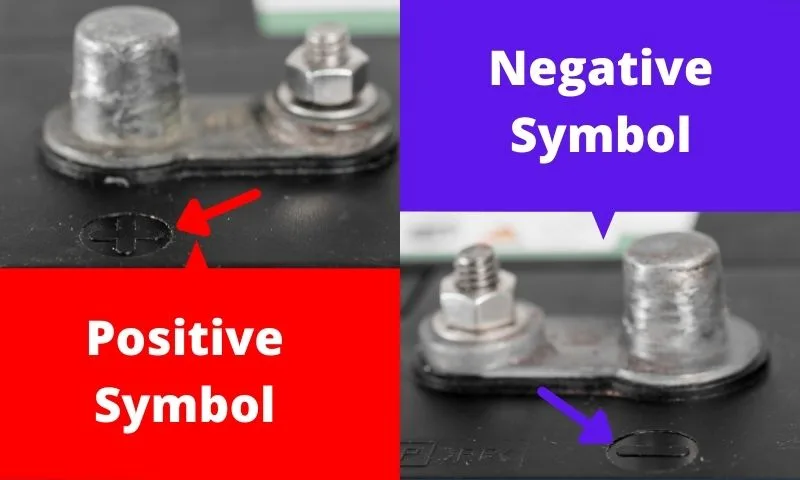
The rule:
- Positive first, negative last. Red cables go on before any black cable touches metal.
- Ground point on the dead vehicle, not the negative post. Honda's under-hood ground stud is the safe choice. It keeps sparks away from battery gas.
- Reverse order to disconnect. Negative on the dead vehicle comes off first.
Why this order matters: if you connect negative to the dead battery's negative post and the wrench slips, you can short the post to the chassis through the tool. With the ground on a remote stud, that slip becomes a nothing event instead of a melted wrench.
If you ever see a small spark when you make the final ground connection, that's normal. The Pilot's electrical system is waking up. If you see a big spark, hear a pop, or smell anything rotten, stop and disconnect.
Something is reversed.
Cranking, Waiting, and Knowing When Something's Wrong
Hit the start button or turn the key and listen carefully. What happens in the first five seconds tells you almost everything.
If the engine fires within the first two cranks, the battery was simply low. Drive it normally for 20 minutes and you're done.
If you get rapid clicking but no crank, the battery is too weak to engage the starter. Let the donor vehicle run for another five minutes with cables connected, then try again.
If nothing happens at all, no click, no lights brightening, the connection is bad. Check that all four clamps are biting metal, not painted surfaces or plastic. Wiggle them, then try once more.
If you hear a grinding sound or the starter spins without engaging, stop cranking. That's a mechanical starter issue, not a battery issue, and continuing will damage the flywheel.
Disconnecting the Cables Without Damaging Electronics
Pulling the cables in the wrong order can spike voltage through the Pilot's electrical system. That spike has been known to fry radio modules, blow instrument cluster fuses, and trigger false error codes.
The correct disconnect order:
- Black clamp from the Pilot's ground point
- Black clamp from the donor battery
- Red clamp from the donor battery
- Red clamp from the Pilot's positive terminal
Keep the clamps from touching each other or any metal surface during removal. Set each one aside as soon as it's free. Don't lay a red clamp on the fender while you pull the next cable.
Once everything is disconnected, leave the Pilot running. Don't shut it off for at least 15 minutes.
Post-Jump Reset: Windows, Radio, Idle, and Key Fob
A voltage drop doesn't just kill the engine. It wipes a handful of learned settings that the Pilot expects to find when you turn the key.
You'll likely need to redo:
- Window auto-up/down. Hold each window switch in the up position for three seconds after the glass is fully closed. Same in the down position. The Pilot relearns the travel limits.
- Sunroof one-touch. Hold the close button for three seconds after the roof is shut.
- Radio presets and clock. These reset to factory defaults. Reprogram as needed.
- Drive-by-wire idle. The first few starts after a jump may idle roughly or stall at stoplights. Honda's ECU relearns idle parameters over about 10 miles of mixed driving.
- Key fob detection. On Smart Entry models, the fob may not be recognized until you press the start button once with the fob directly against the steering column. This is normal, not a dead fob.
If the key fob still won't pair after a voltage event, replace its CR2032 battery before assuming the car's system is bad.
How Long to Drive (or Idle) to Recharge the Battery
A jump gives the Pilot just enough juice to start. The alternator does the rest, but the alternator isn't a fast charger.
Idling at a standstill puts back roughly 5 to 10 amps. Driving at road speed with electrical loads minimal puts back 40 to 80 amps. Highway driving is roughly 4x faster than sitting in a parking lot.
Realistic recharge times for a partially discharged Pilot battery:
| Method | Time to Useful Charge | Time to Full Charge |
|---|---|---|
| Idling in park | 60 to 90 minutes | 4 to 6 hours |
| Highway driving | 20 to 30 minutes | 1.5 to 2 hours |
| Smart charger (10A) | N/A | 4 to 8 hours |
If the battery was deeply discharged below 11.8V, even a full drive cycle won't restore it. Plan on a battery tender overnight before trusting it to start the next morning.
Signs the Battery Is Fine, and the Alternator Is the Real Problem
The most common mistake after a jump is assuming the battery is at fault. If the Pilot dies again a few hours or a day later, the alternator is failing and not keeping up with charging demand.
Symptoms that point to the alternator, not the battery:
- Battery warning light stays on after the jump
- Headlights brighten as you rev the engine
- The Pilot runs fine until accessories are turned on, then dies
- Voltage at the battery reads above 15V or below 13V while running
A healthy charging system holds 13.8 to 14.4V at the battery with the engine running. If your multimeter reads anything outside that window with no accessories on, the alternator is suspect. Replacing the battery won't fix this.
The alternator needs testing, and likely replacement, at a shop.
Common Jump-Starting Mistakes Honda Owners Make
Connecting the cables backward is the big one. Red on negative and black on positive will spike current through the donor vehicle's alternator and the Pilot's ECU. Fuses blow, dashboards flicker, and you've turned a free fix into a dealer visit.
Leaving the donor vehicle off during connection is another common slip. The donor needs to be running before you try to crank the Pilot, otherwise it's just two dead batteries staring at each other.
Cranking for ten seconds straight is hard on the starter motor. If it doesn't catch, pause for 30 seconds before trying again. Three short attempts beat one long one every time.
When a Jump Isn't Enough: Battery Replacement Signals
A jump buys time, not a fix. Three signs the battery itself is at the end of its life:
The Pilot won't hold a charge overnight. Resting voltage drops below 12.2V by morning.
The engine cranks slower each time you start it. Cold cranking amps have faded below useful levels.
The battery case is swollen or smells like rotten eggs. Sulfation and heat damage have killed the cells.
Pilot batteries typically last 3 to 5 years. Hot climates and short-trip driving shorten that window. Cold climates can kill a marginal battery overnight.
Once a battery fails twice, replace it.
Quick Troubleshooting: Clicking, No Lights, Slow Crank
Use this table to match the symptom to the fix:
| Symptom | Likely Cause | Next Step |
|---|---|---|
| Rapid clicking, no crank | Severely discharged | Wait 5 min, retry |
| One click, silence | Bad ground or dead cell | Check ground, load test |
| Slow crank, weak start | Marginal battery | Drive 30 min, retest |
| No lights at all | Open circuit or blown fuse | Inspect main fuses |
| Clicks but dash lights dim | Voltage drop at terminal | Clean and tighten posts |
If cleaning the terminals and retrying doesn't change the symptom, the battery needs professional load testing. Most auto parts stores will test it free.
Cost of Getting Back on the Road (DIY vs. Roadside vs. Shop)
Three paths, three price tags. DIY costs only what you already own: cables or a charged jump box. Roadside runs $50 to $150 depending on provider.
A shop jump-and-diagnostic adds $100 to $200 on top of any battery replacement.
If a new battery is needed, OEM Honda batteries run $180 to $260, while quality aftermarket options like Interstate or DieHard sit at $130 to $180. Add $40 to $100 for installation if you don't DIY.
Hybrid Pilot vs. Gas Pilot: Which Jump Procedure Wins?
For 12V recovery, the gas Pilot is the easier machine. One battery, one crank, done.
The hybrid Pilot adds a layer of complexity because the 12V system is only a small part of the powertrain. If the hybrid battery itself is depleted, no 12V jump will wake it up.
Gas Pilots also tolerate more jump cycles over the life of the vehicle. Hybrid 12V batteries tend to be smaller and more sensitive to deep discharge. One bad jump on a hybrid can leave you needing a dealer reset.
Jump-Starting a Honda Pilot: FAQs
Where is the battery on a Honda Pilot?
The battery sits in a plastic tray on the driver's side of the engine bay, near the firewall. The positive terminal has a red flip cover. The negative terminal is nearby and marked with a minus sign.
Can you jump start a Honda Pilot in the rain?
Yes, rain doesn't change the procedure. The 12V system runs at low voltage, and water on the battery won't cause a short. Just keep the cables from sitting in standing water.
How long does a Honda Pilot battery last?
Most Pilot batteries last 3 to 5 years. Extreme heat, frequent short trips, and leaving accessories on all shorten that window. A battery that's needed two jumps in six months is due for replacement.
Will jump starting a Honda Pilot void the warranty?
No, jump starting doesn't void the warranty. Honda's owner's manual includes the jump-start procedure, which means it's an approved service method. Damage from crossed cables or reversed polarity isn't covered, so follow the sequence carefully.
Can I push start a Honda Pilot with a dead battery?
Push starting only works on a manual transmission, and every Pilot sold in the U.S. since 2003 has been automatic. A push start won't work. Use a jump box or cables instead.
On the 2026 Pilot Hybrid, never attempt a push start, since the hybrid system requires the 12V relay to engage.