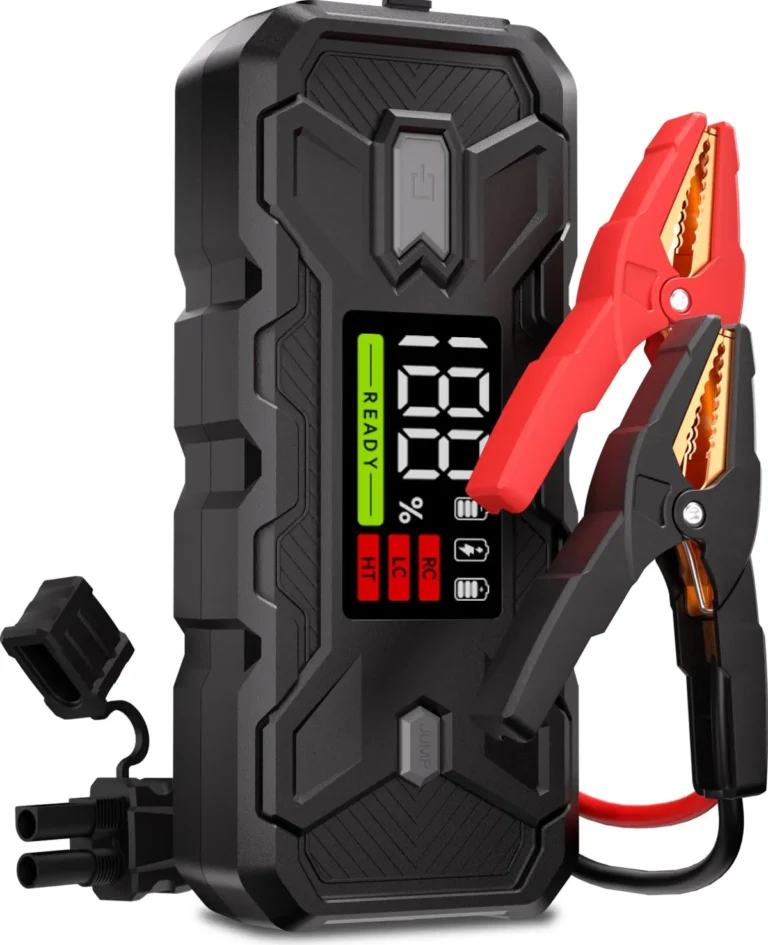
How to start a car without jumper cables: Top guide
A dead battery doesn't care if you have cables. It just leaves you stranded, and most "tricks" you find online either don't work on modern cars or will cost you a repair bill that makes the tow truck look cheap. So let's actually answer how to start a car without jumper cables, using methods that hold up on real vehicles in 2026.
The honest truth is that your options narrow fast once you strip away the gimmicks. Aggregate user reports and roadside service data from AAA and similar organizations show push-starting works only on manual transmissions, and modern automatic cars simply won't fire up that way. A portable lithium jump pack, with 1000A to 2000A peak output, has become the practical default for solo drivers, while the rest of the "hacks" usually fall apart under real-world conditions.
Quick Answer
You can start a car without jumper cables using a portable lithium jump pack, push-starting a manual transmission, or calling roadside assistance. Automatic transmission cars cannot be push-started. The most reliable solo method in 2026 is a 1000A+ lithium jump pack.
Always confirm your transmission type before attempting any method.
Why Most "No-Cable" Methods Don't Work Anymore
Older forums love to share tricks that haven't aged well. Cars in the 1990s were far more forgiving of rough starting methods. Newer vehicles aren't, and the reasons come down to how the systems actually behave.
First, fuel injection changed everything. Older carbureted engines would happily fire on raw fuel, which is why bump-starting was almost foolproof. Modern engines need the ECU, fuel pump, and ignition coils to coordinate in a precise sequence.
If the battery is too dead to power those computers, the engine cranks but never catches.
Second, electronic shifters and park-by-wire systems have replaced mechanical gear linkages. Even if someone tells you to put an automatic in neutral and push, the transmission may refuse to disengage from park without electrical power, which kills the trick before it starts.
Third, the alternator myth refuses to die. People claim you can "bypass" the battery by hotwiring the alternator. The alternator doesn't store a charge.
It only generates electricity when the engine is already running.
Manufacturer service bulletins from major OEMs, along with NHTSA's vehicle safety guidance, consistently warn against improvised starting methods because they can fry ECUs, damage catalytic converters from unburned fuel, or leave you stranded in traffic.
First, Figure Out What Kind of Car You Have
Before you do anything, you need to answer three questions. They decide which method is even available to you.
- Is your transmission manual or automatic?
- Do you have a portable jump pack in the trunk?
- Are you on a hill, flat ground, or somewhere you can get pushers?
Manual transmission cars have a clutch pedal and a stick shift, though some performance models use automated manual gearboxes. If you can move the shift lever yourself through all gears with the car off, it's a true manual. Automatic transmission cars typically have a gear selector labeled P, R, N, D, and either a traditional shifter or an electronic one.
If you drive a manual and you have a hill, you have a real option. If you drive an automatic or you're on flat ground alone, your realistic paths narrow to a jump pack or a phone call.
| Car Type | Push-Start Possible? | Best No-Cable Option |
|---|---|---|
| Manual + hill | Yes | Roll-start with gravity |
| Manual + flat ground | Yes, with helpers | Push-start with 2+ people |
| Automatic (any) | No | Lithium jump pack or roadside service |
| Manual with dead ECU | No | Lithium jump pack required |
Decision Tree: Which Method Fits Your Situation
This is where most articles fail. They list every method in a flat list and let you guess. Instead, walk through this in order.
If You Drive a Manual Transmission
You have two paths. Either use a jump pack, or push-start. Push-starting is free and works on a battery that has just enough residual charge to run the fuel pump.
If the dome light is completely dead and the key fob won't unlock the doors, the battery is too dead for push-starting to work. You need a jump pack.
If You Drive an Automatic Transmission
Your only no-cable option is a portable jump pack. Push-starting an automatic is physically impossible in normal conditions, since the torque converter needs hydraulic pressure to transfer engine power to the wheels. Even if you could roll-start it, modern transmissions electronically lock the park pawl when voltage drops.
If You Have a Portable Jump Pack
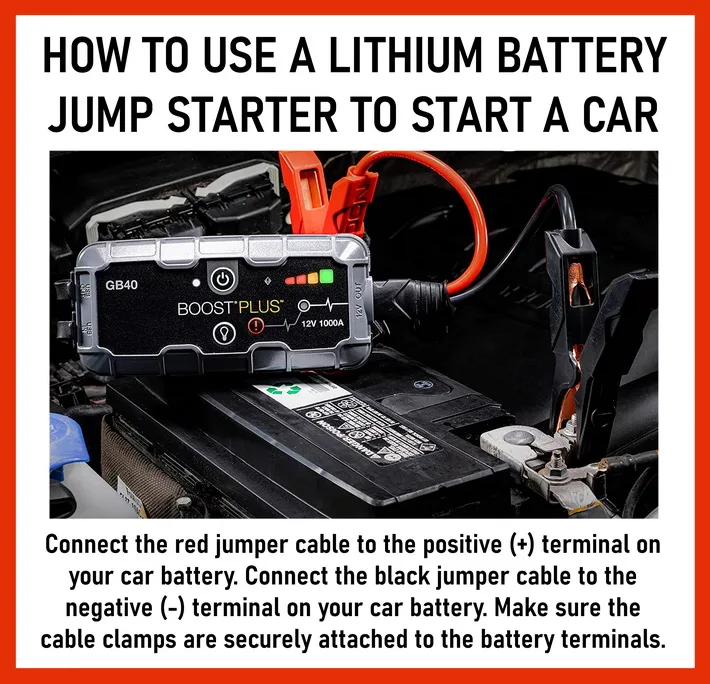
This is the easiest case. Connect the red clamp to the positive terminal, the black clamp to an unpainted metal ground on the engine block, turn the pack on, and start the car. A 1000A pack handles most 4-cylinder and V6 engines.
Diesels often need 1500A or more.
If You Have Nothing at All
Call roadside assistance. AAA, your insurance carrier's roadside plan, or even a friend with cables. Waiting 30 to 60 minutes is cheaper than a clutch job or a damaged catalytic converter.
Method 1: Push-Starting a Manual Car on a Hill
A hill gives you free momentum, so you don't need anyone to push. Here's the workflow that mechanics actually use, condensed into clear steps.
- Turn the ignition to the "on" position, but don't crank the engine.
- Put the transmission in second gear, not first. Second is smoother and reduces jerk on the drivetrain.
- Press the clutch pedal fully to the floor.
- Release the parking brake.
- Let the car roll down the hill until you reach roughly 5 to 8 mph. This is the minimum speed for a reliable bump-start.
- Quickly release the clutch while gently pressing the gas pedal. The engine should catch and run.
- If it doesn't fire on the first try, press the clutch back in, let the car gain more speed, and try again.
If the engine cranks but doesn't start, the battery is likely too dead to run the fuel pump. A jump pack is your only remaining option.
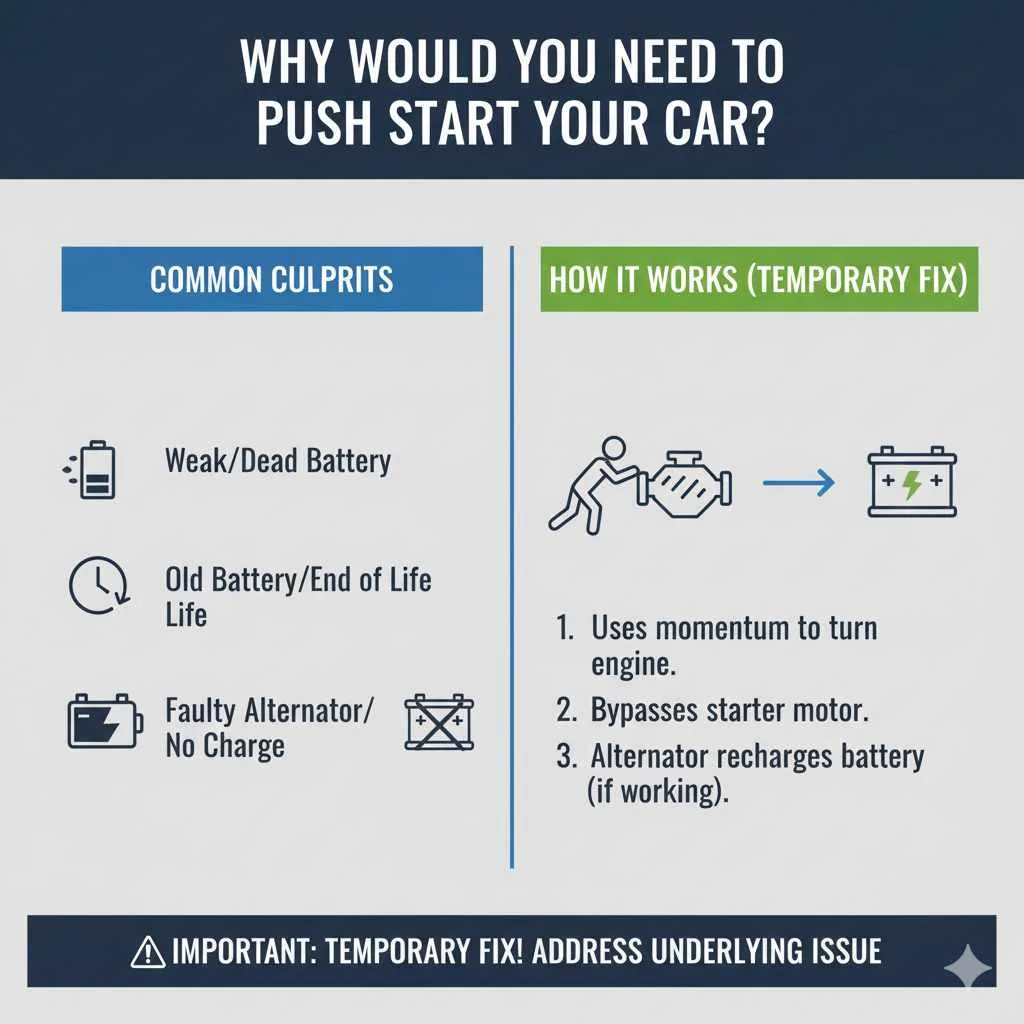
Watch for these risks:
- Never stand in front of the car when it's rolling.
- Avoid steep hills where you can't control speed.
- Make sure the road is clear of traffic before you start.
- If the steering feels very heavy, your power steering is electric and won't work without the engine running.
Per manufacturer guidance, vehicles with catalytic converters should not be push-started repeatedly, since unburned fuel can overheat and damage the converter. One or two attempts is fine. A dozen is not.
Method 2: Push-Starting a Manual Car on Flat Ground (With Helpers)
No hill? You can still bump-start, you just need people to push. The technique is identical, but the variables change.
You'll need at least two people pushing from behind, a clear stretch of road, and enough room to get up to speed safely. The driver stays in the seat, clutch in, ignition on, transmission in second gear. The pushers get the car rolling to about 5 to 8 mph, then the driver pops the clutch.
Safety is the bigger concern here. Whoever is pushing is directly behind a vehicle that may jerk forward the moment the engine catches. Make sure the parking brake is fully released, the transmission is actually in second, and the road is flat and free of traffic.
If the first attempt doesn't work, don't panic. Press the clutch back in, let the pushers get you moving faster, and try again. Two or three attempts is normal.
If it still won't fire, the battery is too far gone and a jump pack is the only answer.
Why Speed Matters for a Successful Bump-Start
Below 5 mph, the engine spins too slowly to generate enough compression for ignition. Above 10 mph, the sudden clutch release can shock the drivetrain, wear the clutch plate, or even snap a half shaft on high-mileage cars. The sweet spot is 5 to 8 mph, which is brisk walking pace for the pushers.
Method 3: Using a Portable Lithium Jump Pack
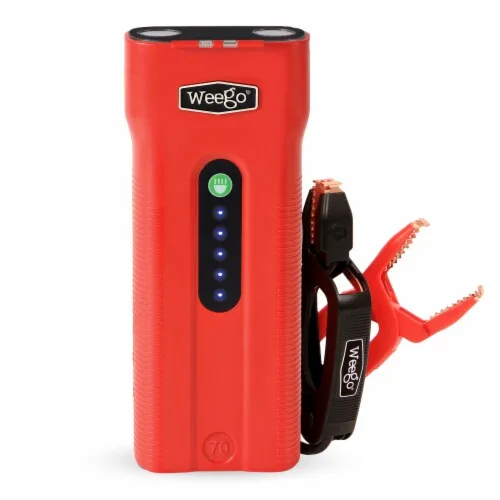
This is the single most reliable no-cable method for any driver, in any car. Modern lithium jump packs are compact, often the size of a paperback book, and can sit in your glovebox for months holding a charge.
Here's the safe connection sequence:
- Turn off the jump pack and your car's ignition.
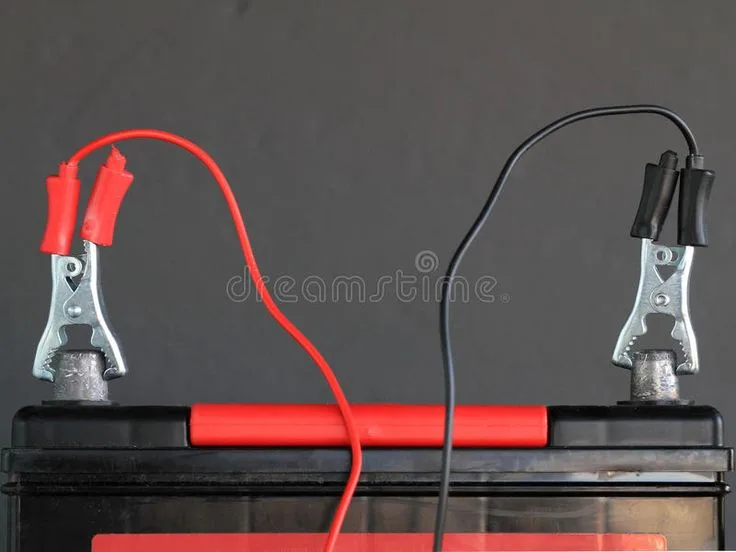
- Connect the red clamp to the positive (+) battery terminal.
- Connect the black clamp to a clean, unpainted metal ground on the engine block or chassis. Never the negative terminal directly, since a spark near the battery can ignite hydrogen gas.
- Turn the jump pack on.
- Wait 30 seconds for the pack to pre-charge the system.
- Crank the engine normally.
- Once it starts, turn off the pack, disconnect the black clamp first, then the red clamp.
Most quality packs in the 1000A to 2000A peak range handle any gasoline engine up to a V8. Diesel engines usually need 1500A or more because of their higher compression ratio.
Features Worth Looking For in a Jump Pack
- Reverse polarity protection, so a reversed clamp won't fry the pack.
- Spark-proof clamps, which add a layer of safety.
- A built-in LED flashlight, useful for night breakdowns.
- USB-C charging, so you can recharge from any modern phone charger.
- At least 10,000 mAh capacity, which gives you multiple jump attempts per charge.
Aggregate user reviews consistently show that a $70 to $120 lithium jump pack outperforms a traditional lead-acid jump box in portability, shelf life, and cranking power.
Method 4: Calling Roadside Assistance (And When It's the Right Call)
There's no shame in calling for help. Sometimes it's the smartest move.
If you drive an automatic, you're out of mechanical options. A lithium jump pack is the only DIY path, and if you don't have one, you're calling someone. If you have a manual but the battery is so dead the doors won't unlock, push-starting won't work either, since the fuel pump and ECU need a minimum voltage to operate.
Roadside assistance falls into three categories:
| Service Type | Typical Response | Typical Cost |
|---|---|---|
| AAA membership | 30 to 60 minutes | Free with membership |
| Insurance roadside add-on | 45 to 90 minutes | Free or low copay |
| Independent tow/jump service | 20 to 45 minutes | $50 to $150 |
The cost difference makes a strong case for keeping a lithium jump pack in the car. One $80 purchase beats a single $100 service call, and you'll use it across multiple vehicles over its 6 to 12 month charge life.
When a Jump Isn't Enough
If the technician arrives, jumps the car, and it dies again within minutes, the problem isn't the battery. It's the alternator or a parasitic drain. Drive straight to a shop, don't shut the engine off, and let a mechanic diagnose the charging system.
The Tools Worth Keeping in Your Trunk
A good emergency kit doesn't have to be expensive or bulky. Here's the core list, in order of importance.
- Lithium jump pack (1000A+, with clamps and carrying case).
- Heavy-duty gloves, for handling corroded battery terminals.
- A small LED flashlight or headlamp.
- Reflective triangles or road flares, for visibility if you're stopped on a dark road.
- A tire pressure gauge, since low pressure is a common reason a "dead battery" turns out to be two problems at once.
- A basic socket wrench set, in case you need to remove a battery terminal for a deeper inspection.
Optional but useful: a portable air compressor, a rain poncho, and a phone charger cable. None of these items will help you start the car directly, but they prevent the small problems that lead to a dead battery in the first place.
What NOT to Do: Methods That Damage Your Car
The internet is full of bad advice. Some of it sounds plausible, which makes it worse. Here's what to avoid.
Why "Bump-Starting an Automatic" Is a Myth
Automatic transmissions use a torque converter filled with transmission fluid. The engine has to be running to pressurize that fluid and transfer power to the wheels. Even if you could roll the car fast enough, the transmission would simply freewheel without engaging the engine.
Worse, on modern cars with electronic shifters, the transmission won't release from park without battery voltage.
Why the "Hotwire to the Alternator" Trick Doesn't Work
The alternator is a generator, not a battery. It only produces current when the engine is spinning. Hotwiring the alternator terminal to the battery terminal bypasses nothing, since both ends are already connected through the same wiring harness.
At best, you create a short circuit. At worst, you start a fire.
Why Rolling Down a Steep Hill Isn't Worth the Risk
Yes, gravity gives you speed. But a steep hill also means you can't control the car's speed once the engine catches, and uncontrolled engine RPM can over-rev a cold engine and throw a rod. Stick to gentle slopes where you can keep your foot near the brake.
Safety Rules Before You Try Anything
A dead battery isn't dangerous on its own, but the situations around it can be. Stand uphill or upwind of the battery, since a crack or leak can release corrosive acid mist. Remove any jewelry, especially rings and metal watches, before touching the terminals.
If the battery is cracked, swollen, or leaking, don't try to jump it or push-start the car. Call roadside service instead. A damaged battery can vent hydrogen gas and ignite from a single spark.
Make sure the car is in park (automatic) or neutral (manual) with the parking brake set before any attempt. Keep bystanders at least 10 feet away when the engine cranks, since a backfire can throw debris from the exhaust.
How Long to Drive After a Successful Jump
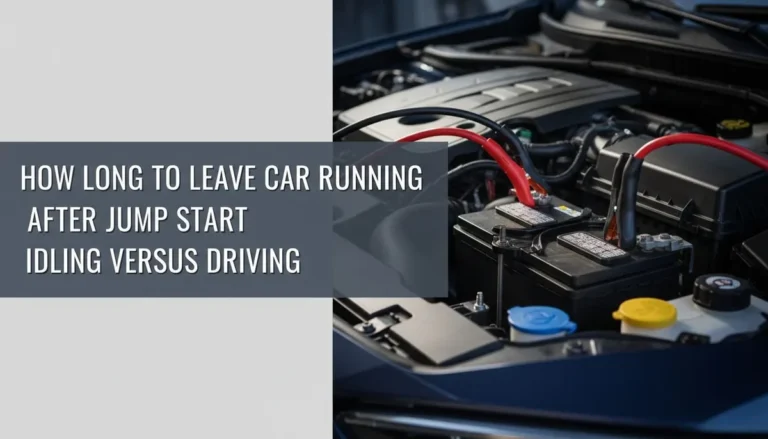
Once the engine is running, your alternator takes over and starts recharging the battery. This isn't instant. A healthy alternator needs at least 20 to 30 minutes of driving to put a meaningful charge back into a depleted battery.
Don't shut the engine off at the first red light. Drive on the highway if you can, since highway RPMs charge faster than idling at a stop. If the car struggles to start again after a short drive, the battery is no longer holding a charge and needs replacement.
Avoid using high-drain accessories (heated seats, rear defroster, big audio systems) during the recharge drive, since they pull amps away from the battery.
Battery vs. Alternator: How to Tell What's Really Wrong
This is the part most articles skip, and it's the part that determines whether your problem comes back tomorrow.
A dead battery usually gives warning signs: slow cranking over several days, dim headlights at idle, or a battery warning light that comes on briefly when starting. The car dies, you jump it, and it runs fine after. That's a battery.
A failing alternator shows up differently. The car runs for a few minutes after a jump, then dies again. The battery light stays on while driving.
Headlights dim when you rev the engine, or get brighter when you blip the throttle. That's an alternator, and a jump won't fix it.

A quick at-home test: after a successful jump, measure battery voltage with the engine running. A healthy charging system reads 13.7 to 14.7 volts at the terminals. Anything below 13.5 volts means the alternator is undercharging.
Anything above 15 volts means the voltage regulator is overcharging and cooking the battery.
Cost Breakdown: Jump Pack vs. Roadside Service vs. Tow
Money talks, and the numbers favor preparation.
A quality lithium jump pack runs $70 to $120 and lasts 4 to 6 years with occasional use. A single roadside service call averages $80 to $150, depending on your region and provider. A tow to a shop adds another $75 to $200 on top of any repair bill.
Over five years, even one avoided service call pays for the jump pack. Two avoided calls makes it a no-brainer. Per manufacturer specifications, modern lithium packs hold a usable charge for 6 to 12 months on a shelf, so you only need to top them off two or three times a year.
Real-World Scenarios: Which Method Saved the Day
Solo in a Parking Garage
A driver with a manual transmission and a 1000A lithium jump pack clipped the pack to the battery, fired the car, and drove home in 10 minutes. No tow, no wait, no helpers.
Rural Breakdown at Night
A driver on a back road with no cell service used a 30-degree slope to bump-start a manual pickup. Two attempts, engine caught on the second try. The driver drove 45 minutes to the nearest town and replaced the battery the next morning.
Cold Morning, Dead Battery, No Tools
An automatic sedan owner woke up to a dead battery in January. No cables, no jump pack, no hill. Called insurance roadside, waited 50 minutes, got a jump, drove straight to a shop, and bought a $130 battery the same day.
Total cost with the service copay was around $180. A $90 jump pack would have skipped the wait.
Common Mistakes That Make a Bad Situation Worse
Don't crank the engine for more than 10 seconds at a time. Continuous cranking overheats the starter motor and can weld its contacts. Wait 30 seconds between attempts.
Don't connect the negative clamp to the negative terminal directly. Use a ground point on the engine block instead. A spark at the terminal can ignite hydrogen gas venting from the battery.
Don't try to push-start a car with a manual transmission in third or fourth gear. The engine spins too slowly to catch, and you risk a violent jerk that can damage the clutch or transmission.
Don't ignore a battery that keeps dying. One dead battery is a fluke. Two in a row means a parasitic drain, a weak alternator, or a battery that's reached the end of its service life (typically 3 to 5 years).
Signs You Need a New Battery (Not Just a Jump)
A battery that's more than four years old is on borrowed time, especially in hot climates where heat accelerates internal corrosion. Visible corrosion around the terminals (white or bluish powder) is a sign the battery is venting acid, which means the seals are failing.
If the engine cranks slowly even after a full charge, the battery's internal plates are sulfated and can't hold full capacity. A load test at any auto parts store confirms this in under five minutes.
Swelling or a bulging case means the battery has frozen or been overcharged. Replace it immediately, and check the alternator's voltage regulator while you're at it.
Pro Tips From Mechanics Who've Seen It All
Keep your jump pack inside the car, not in the trunk. Trunk temperatures in summer can hit 150°F, which degrades lithium cells over time. A glovebox or under-seat storage stays closer to ambient.
Recharge the jump pack every 3 months, even if you haven't used it. Lithium batteries self-discharge slowly, and a dead jump pack is just extra weight in your car.
If you have to push-start often, your battery is the problem, not your luck. Get it tested.
Per AAA roadside data, battery-related calls spike in winter and during summer heat waves. Both extremes punish batteries differently: cold thickens the oil and demands more cranking amps, while heat boils off electrolyte and kills internal plates. A pre-season battery test takes five minutes and prevents most of these calls.
Frequently Asked Questions
Can you start an automatic car without jumper cables?
Yes, but only with a portable jump pack. Push-starting an automatic isn't possible because the torque converter needs engine power to pressurize transmission fluid. Without that, the wheels freewheel and the engine never engages.
How fast do you need to go to bump-start a car?
Roughly 5 to 8 mph. Below 5 mph, the engine spins too slowly to fire. Above 10 mph, releasing the clutch can shock the drivetrain.
A gentle hill or a few strong pushers hit the sweet spot.
Will push-starting damage my catalytic converter?
It can, if you do it repeatedly. Unburned fuel washes into the converter and can overheat it. One or two attempts won't cause damage, but if you find yourself push-starting every week, fix the underlying battery or alternator problem instead.
How long does a portable jump pack hold its charge?
Most lithium jump packs retain 80% of their charge for 6 to 12 months on a shelf. Recharge it every 3 months to stay safe, especially in extreme temperatures.
Can I use a power bank to jump my car?
No. A USB power bank outputs 5V at a few amps, which is nowhere near the 12V and 200 to 600 cold cranking amps a starter motor needs. A jump pack is engineered for that load.
A regular power bank isn't.
Your No-Cable Game Plan (Decision Guide)
If you drive a manual and have a hill, push-start. If you drive a manual and don't have a hill, find helpers and push-start on flat ground. If you drive an automatic, or your battery is too dead for push-starting to work, use a lithium jump pack.
If you don't have a jump pack, call roadside service.
Buy the jump pack before you need it. That's the whole game.